

读懂艺术家 | 广州影像三年展2025——百岛计划&语言的游戏与双重曝光
编者按
广州影像三年展2025以 “感知生态学” 为主题,集结全球 25个国家和地区的80 余位影像领域创作者,呈现一场聚焦生态、感知与媒介创新的艺术盛宴。
参展艺术家立足多元文化背景,以摄影、影像装置、数字艺术等丰富媒介,从自然生态、城市生态、人文生态等维度展开创作,用镜头记录环境变迁,以作品探讨人类与自然的共生关系。
这些创作者既是影像艺术的实践者,也是时代议题的回应者。接下来,让我们逐一走近他们,解读其作品背后的创作逻辑与思想内核。
关于技术、生态、语言小组(LeTEL)的布展联合呈现:
The Technology, Ecology and Language Group (LeTEL) is jointly presented:
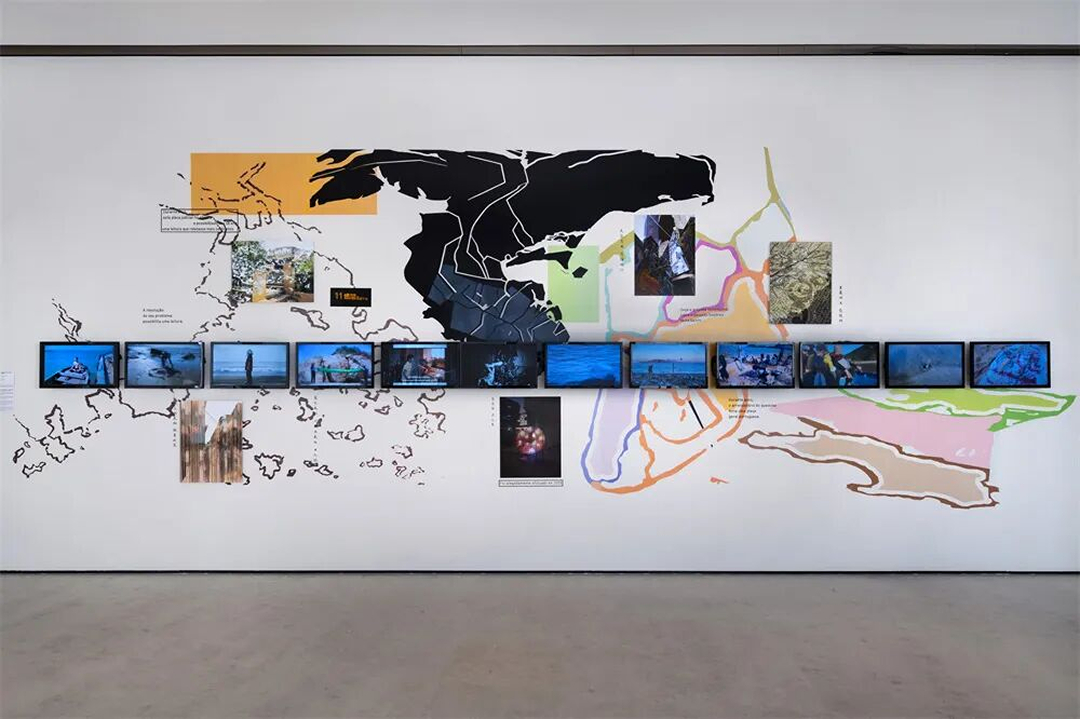
本次作品呈现由两个艺术项目联合完成。在2025澳门国际艺术双年展本地策展项目:“语言之海”的基础上,小组在本次三年展的布展过程中进行讨论和实践,围绕技术、生态和语言的在地发生,探讨这些不同的学科在大湾区的语境下是如何交叉和缠绕在一起。随着知识的平面化、快速应用化以至于模式化,那些在学科之间、技术之间和语言之间的未被识别的碎片成为了“别处”,这也是百岛计划一直在寻找的“地方”:在地就是别处。在全球网络化、数字化和影像化的今天,我们已经很难发现传统意义上的“异域风情”,或者说,消费式地呈现异域风情或不应该是当代艺术的目标。别处由他者和主体经验之间的对话而产生。岛屿是想象,也是实实在在的地质物,我们在此地筑造大湾区,是穿越地质时间的技术进步之宏伟构想,也是多元语言在历史交融中的作用力,它使我们能够更快速地理解和接受“进步”的意义和前行的方向。Le TEL整合“地”、“图”和现场的动态发生,双重曝光的静态图像和文字犹如中间过渡,在曝光时间的绵延中,弥合概念和实践之间的跨度。
This work is presented jointly by two art projects. Based on the local curatorial project of the 2025 Macao International Art Biennale: “Language of Sea", the group discussed and practiced during the installation of this triennial, focusing on the local occurrence of technology, ecology and language, and exploring how these different disciplines intersect and intertwine in the context of the Greater Bay Area. As knowledge becomes flattened, rapidly applied and even patterned, the unidentified fragments between disciplines, technologies and languages become "elsewhere", which is also the "place" that the Hundred Islands Project has been looking for: the local is elsewhere. In today's globally networked, digital, and visualized world, it is difficult to find "exoticism" in the traditional sense, or that consumer-style presentation of exoticism should not be the goal of contemporary art. Elsewhere the dialogue between the other and the subjective experience is "produced". Islands are imaginary and real geological objects, and our construction of the Greater Bay Area here is a grand idea of technological progress through geological time, and it is also the role of multilingualism in the fusion of history, which enables us to understand and accept the meaning of 'progress' and the direction of moving forward more quickly. Le TEL integrates the dynamic occurrence of the "ground", "map" and the local scene, with double-exposed still images and glyphs acting as intermediate transitions, stitching the span between the concept and the practice in the duration of the exposure time.
百岛计划
Hundred Islands Project
发起人:何俊彦/马境若水
参展艺术家:陈辉、杜焕、
方大为、李是竞、马延东、潘星磊、
全红臻、陶马素、徐扬景、王志忠、
文皆俊杰、张可、郑乐
中国
2018至今
Project Founder: He Junyan, Ma jing,
Exhibit Artist: Chen Hui, Du Huan, DavidFank, Li Shijing, Ma Yandong, Pun Sing Lui,Quan Hongzhen, Mazor To, Xu Yangjing, WangZhizhong, Wen Jie Junjie, Zhang Ke, Zheng Le
China
Ongoing project from 2018
百岛计划发起于2018年夏天,艺术家何俊彦和马境若水带领的第一小组13名成员包括艺术家、教师、媒体工作者和户外爱好者,登陆中国万山群岛的东澳岛和白沥岛,由此开启海岛艺术实践的探索之旅。百岛成员体验海岛环境、进行现场创作、讨论当代艺术和关于海洋海岛的生态环境等问题,并延伸到技术进步和人类生存环境之关系问题,通过跨学科和跨语言的对话,从行走和实践中积累经验有益于创作,从讨论和对话中提炼语言以启发更广袤的想象空间。百岛计划至今进行了72组的实践,有超过400位包括艺术家、艺术学生、艺术爱好者、学者、策展人、文化媒体工作者、户外运动、海钓爱好者等等不同背景的参与者参加到该实践当中,他们的足迹遍布中国东南沿海(长三角、珠三角)的河口和沿海省份(广东、广西、浙江、福建、海南)的岛屿,以及远至越南红河三角洲、湄公河三角洲、马来半岛马六甲海峡和日本琉球群岛的岛屿。百岛计划仍在持续进行中。
Initiated in the summer of 2018, the Hundred Islands Project began when the first group—led by artists He Junyan and Ma Jing Ruoshui and composed of 13 members including artists, educators, media practitioners, and outdoor enthusiasts—landed on Dong’ao Island and Baili Island in the Wanshan Archipelago, China, marking the start of a long-term island’s art practices exploratory journey.
Participants of the project immerse themselves in island environments, carry out on-site artistic practices, and engage in discussions on ecological issues concerning oceans and islands within contemporary art. These discussions extend to broader reflections on technological development and the human living environment. Through interdisciplinary and multilingual dialogue, the project gathers experience from walking and field practice, and distills language from conversations to inspire wider imaginative possibilities.
To date, the Hundred Islands Project has completed 67 groups of field practices, involving over 400 participants from diverse backgrounds—artists, art students, art enthusiasts, scholars, curators, cultural and media workers, hikers, sea-fishing hobbyists, and others. Their footprints are spread across the estuaries of southeastern China's coast (Pearl River Delta, Yangtze River Delta) and the islands of coastal provinces (Guangdong, Guangxi, Zhejiang, Fujian, Hainan), as well as islands as far away as the Red River Delta in Vietnam, the Mekong Delta, the Strait of Malacca on the Malay Peninsula, and the Ryukyu Islands of Japan. The Hundred Islands Project is still ongoing.
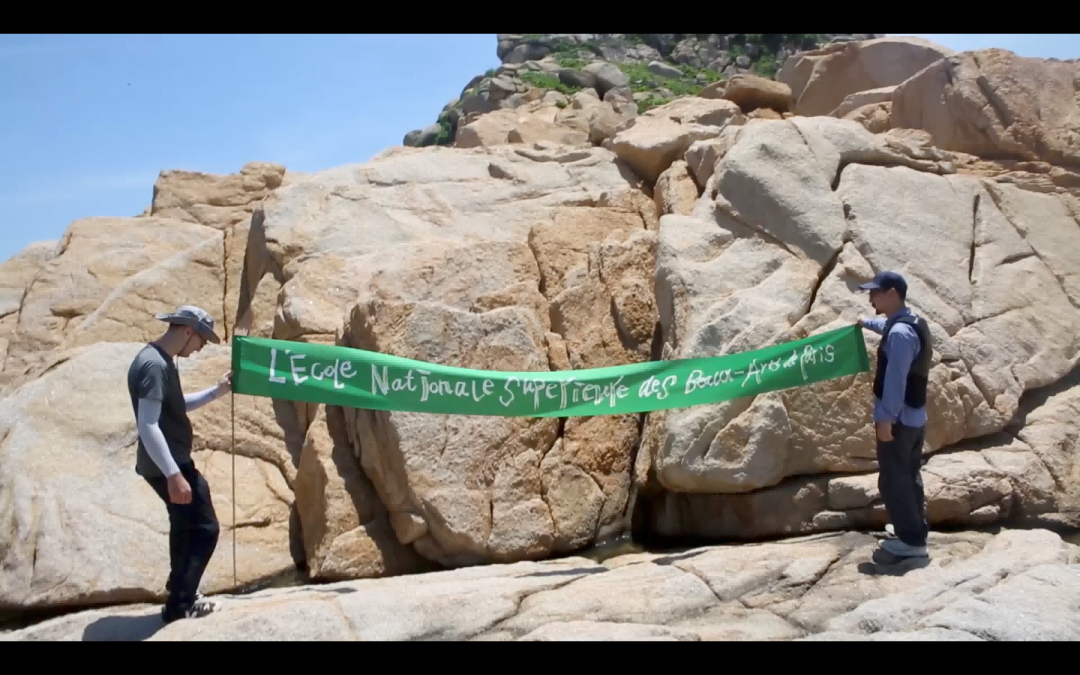
《巴黎美术学院同学会》何俊彦,郑乐,方大为 有声视频,2分30秒,2025
Alumni Reunion of the L'Ecole Nationale Supérieure des Beaux-Arts de Paris
He Junyan, Zheng Le, David Fank, audio video, 2′30″, 2025
十几年未见面的巴黎美院学院同学在澳门和珠海之间相聚,在大湾区中心位置的伶仃洋海域,一座0.33平方公里的岛礁上成立“巴黎美术学院同学会”。这一举动意在拉动巴黎美术圈和分布在世界各地的艺友之间的联系,实验性的行动创立一种微观的在地建构跟中心之间的关联。
Schoolmates from the Paris L’Ecole des Beaux-Art, who had not seen each other for more than ten years, met between Macau and Zhuhai, and on a 0.33-square-kilometer island reef in the Lingdingyang waters at the center of the Greater Bay Area, they established the 'Paris L’Ecole des Beaux-Art Alumni Association.' This initiative aims to strengthen the connection between the Paris art circle and art friends distributed around the world, and to experimentally create a link between micro local constructions and the center.
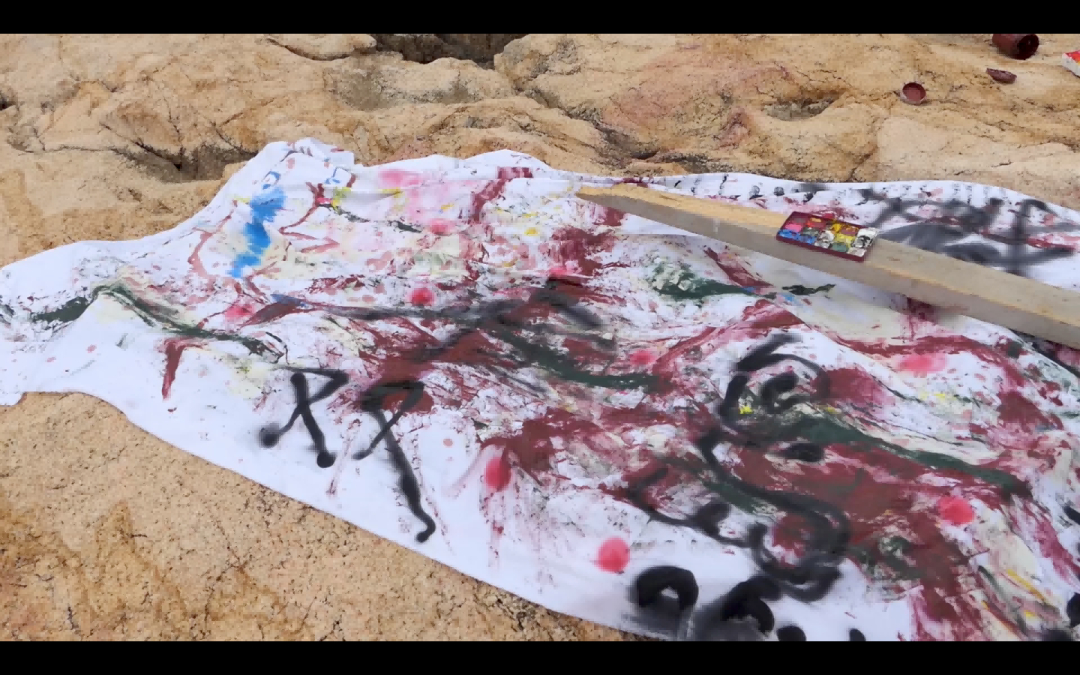
《长洲岛》何俊彦,杜焕,潘星磊,马境若水,陶马素(百岛计划45组长洲岛)有声视频,28分14秒,2023
Cheung Chau Island He Junyan, Du Huan, Pun Sing Lui, Ma Jing, Mazor To (Group 45, Hundred Islands Project, Cheung Chau Island), audio video, 28′14″, 2023
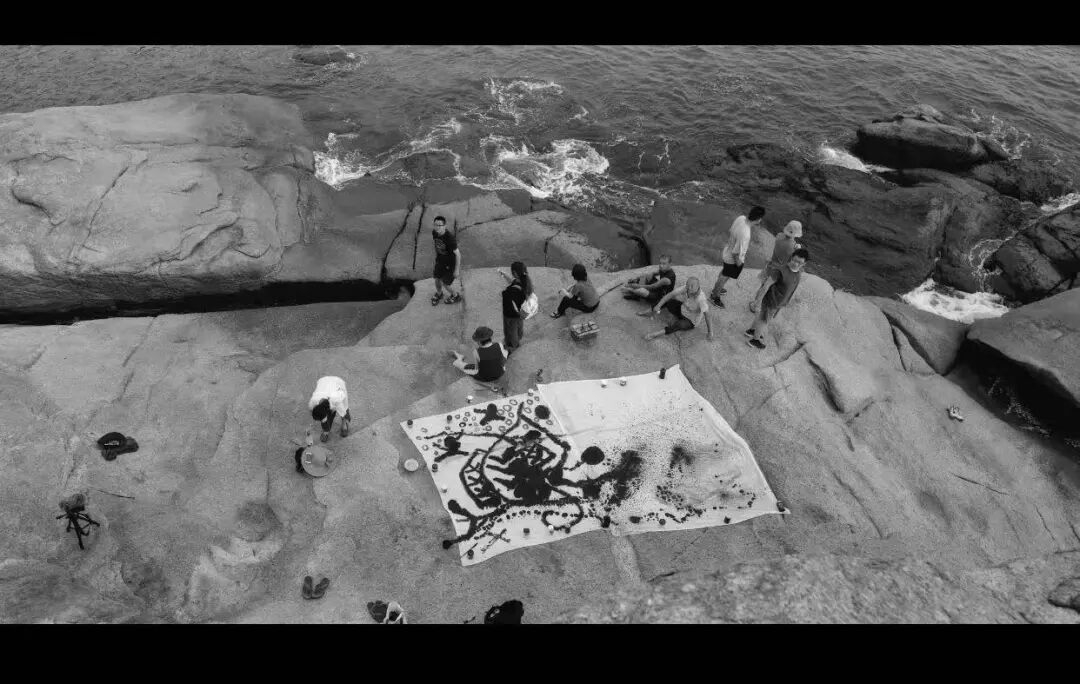
2023年10月,艺术家何俊彦从珠海出发,经港珠澳大桥到达大屿山,与艺术家陶马素汇合后,转船前往香港长洲岛。珠江口另一边,艺术家马境若水从深圳出发,与艺术家潘星磊在香港岛汇合,转船前往聚会地点,香港艺术家杜焕在长洲岛接应,带队游览长洲岛。艺术家在海边一处礁石停留,交流创作作品。百岛计划45组的实践意在拉动港深珠艺术家之间的在地交流,共同创作作品。
In October 2023, artist He Junyan departed from Zhuhai, traveled via the Hong Kong-Zhuhai-Macao Bridge to Lantau Island, and after joining artist Marzor TO, took a boat to Cheung Chau Island in Hong Kong. On the other side of the Pearl River Estuary, artist Ma Jing departed from Shenzhen and met artist PUN SING LUI on Hong Kong Island, then took a boat to the gathering location. Hong Kong artist Louis TO met them on Cheung Chau Island and led a tour around the island. The artists stopped at a rocky area by the sea to do a co-working painting. The practice of the 45th group of the Hundred Islands Project aims to promote local exchanges among artists from Hong Kong, Shenzhen, and Zhuhai, and to create works together.
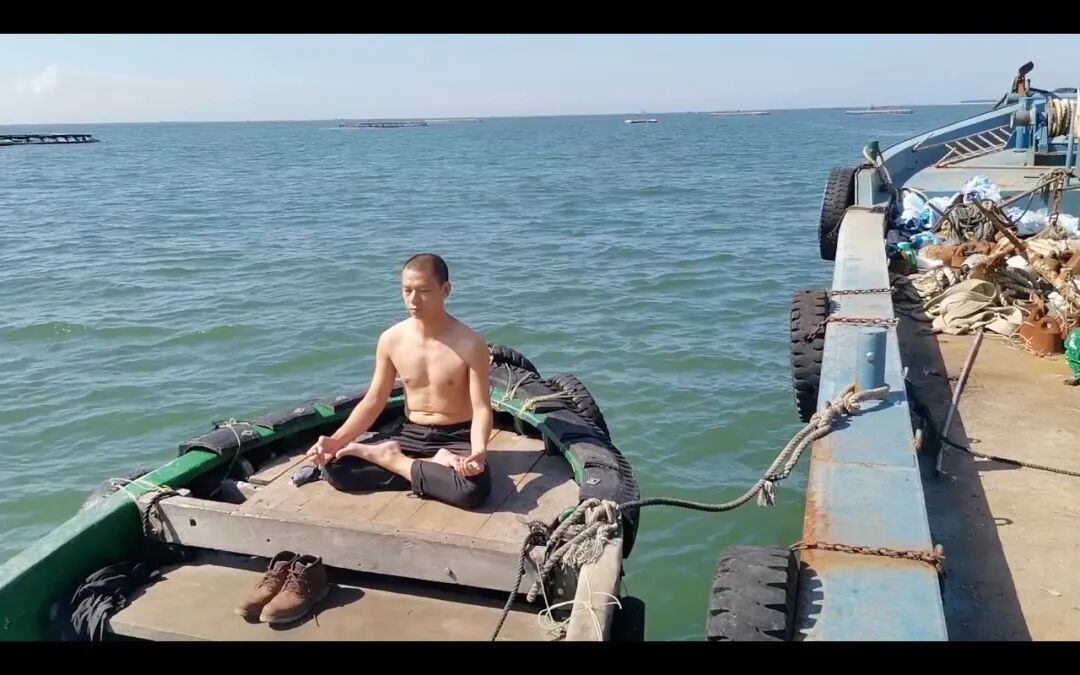
《海上冥想》(百岛计划48组) 何俊彦 有声视频,1分03秒,2023
Meditation on the Sea (Group 48, Hundred Islands Project) He Junyan, audio video, 1′ 03″, 2023
艺术家在百岛计划48组,湛江东海岛、硇洲岛的田野调查深海网箱养殖,午饭后,以船上冥想实践在户外运动状态中的静思和感知活动。
The artist conducted field research on deep-sea cage farming in Zhanjiang Donghai Island and Naozhou Island as part of the 48 groups of the Hundred Islands Project. After lunch, practicing meditation on the boat, engaging in contemplative and perceptive activities while in an outdoor and motional state.
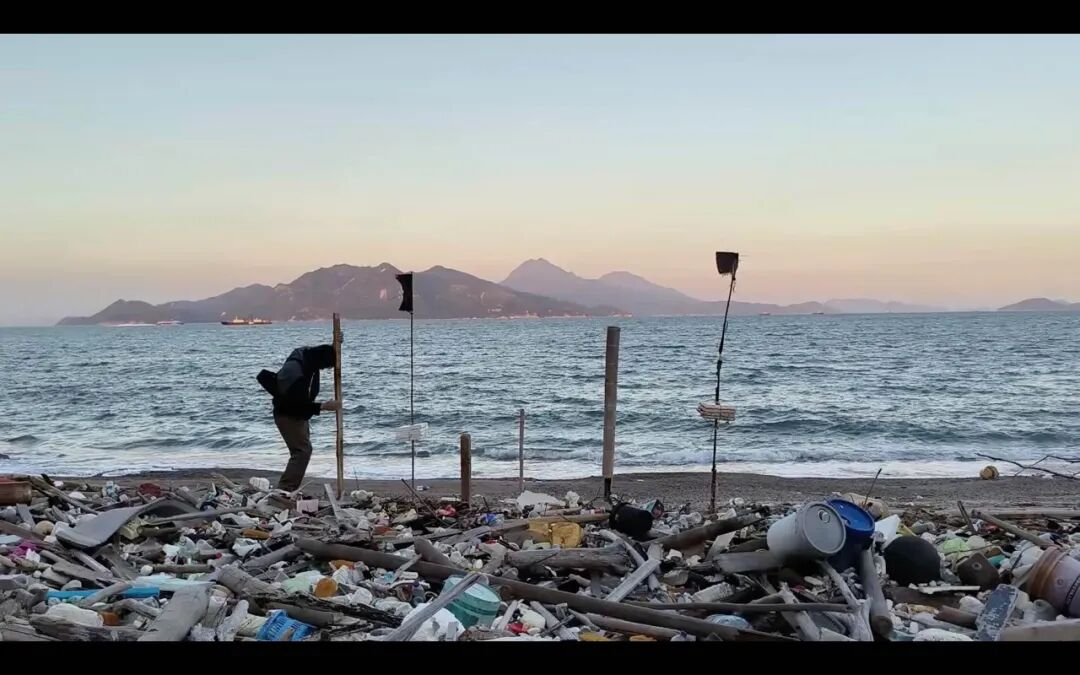
《行为社会学》(百岛计划46组)李是竟作品,参与者包括马境若水、马延东、王志忠 有声视频,3分24秒,2024
Behavioral Sociology (Group 46, Hundred Islands Project) Li Shijing, participants include Ma Jing, Ma Yandong, Wang Zhizhong, audio video, 3′24″, 2024
百岛计划46组在桂山岛和牛头岛的活动中,李是竞和马境若水等艺术家利用海洋废料现场即兴搭建装置作品。
During the activities of the 46th group of the Hundred Islands Project on Guishan Island and Niutou Island, Li Shi Jing and artists such as Ma Jingruoshuo improvised installation works on-site using marine debris.
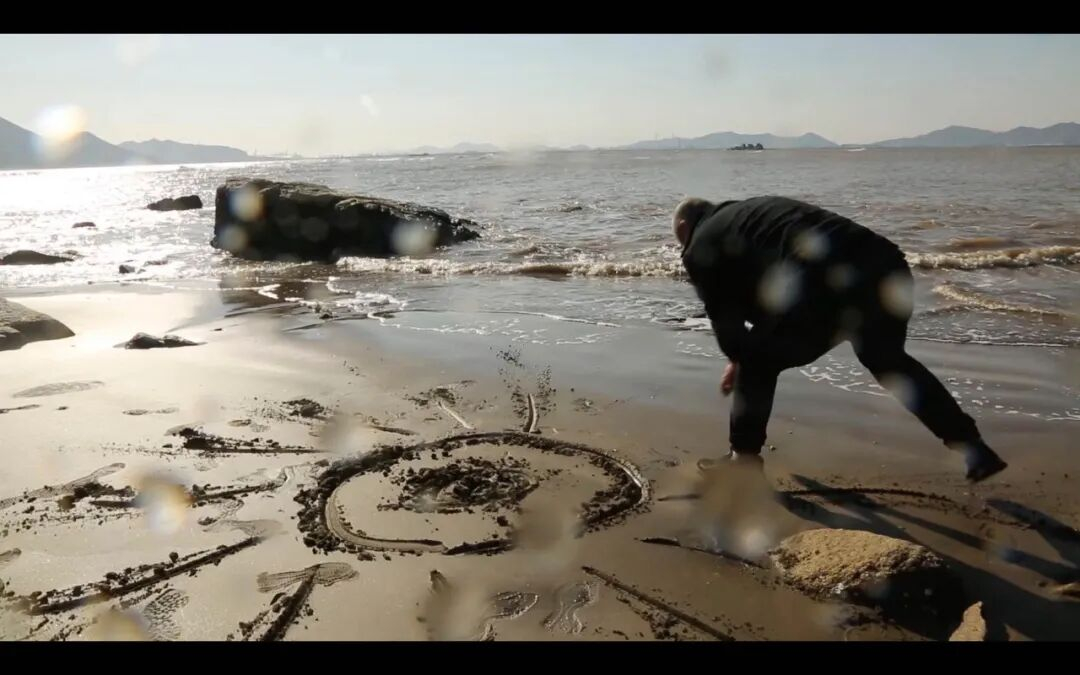
《日月山海》(百岛计划31组) 马境若水 有声视频,0分38秒,2021
Sun Moon Mountain and Sea (Group 31, Hundred Islands Project) Ma Jing, audio video, 0′38″, 2021
在31组的活动中,百岛组员登陆珠江口西海岸的一个荒岛,艺术家马境若水即兴在沙滩上进行创作,艺术家将他的文字、符号实践转化成带有强烈行动性的沙滩书写。
In the activities of Group 31, the members of the Hundred Islands landed on a remote island on the west coast of the Pearl River Estuary. Artist Ma improvised creation on the beach, transforming his text and symbol practices into beach writings with strong action-oriented qualities.
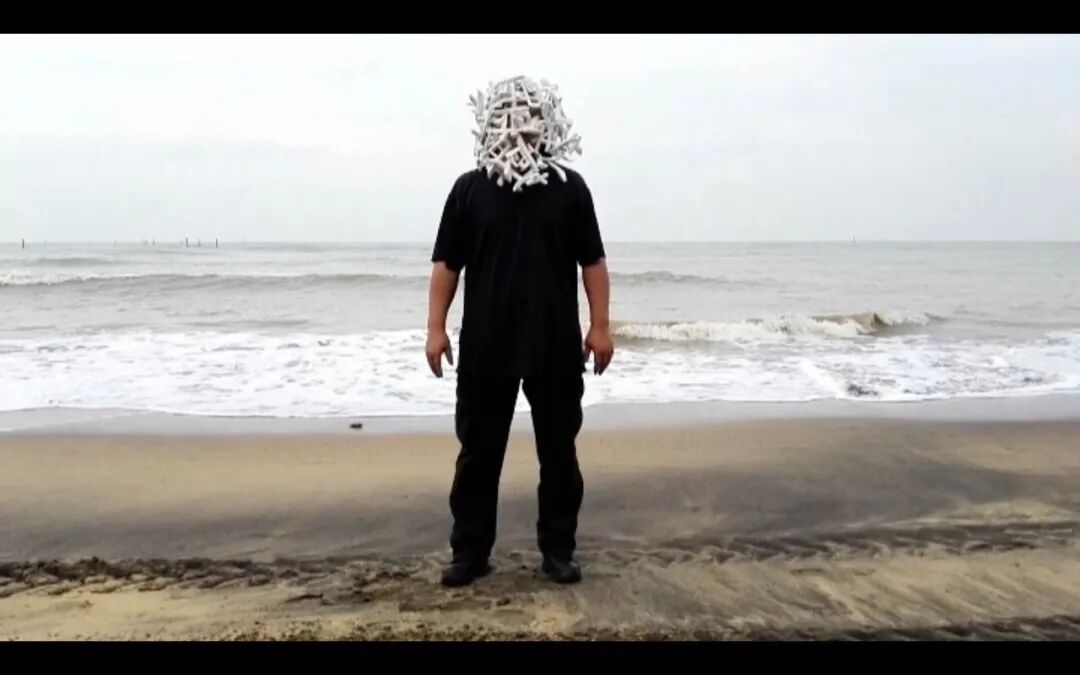
《思想》(百岛计划49组澳门黑沙滩)潘星磊 有声视频,0分53秒,2024
Thoughts (Group 49, Hundred Islands Project, Macau Black Sand Beach)Pun Sing Lui, audio video, 0′53″, 2024
艺术家潘星磊日以月计地创作立体汉子字库。在49组前往澳门黑沙滩的表演作品中,艺术家头戴自制的立体汉字头套,以此隐喻我们的思想源于语言和文字的意义。
Artist PUN SING LUI creates three-dimensional Chinese character fonts day by day. In Group 49Th on Black Sand Beach in Macau, the artist wore a self-made three-dimensional Chinese character headpiece, metaphorically indicating that our thoughts originate from the meaning of language and characters.
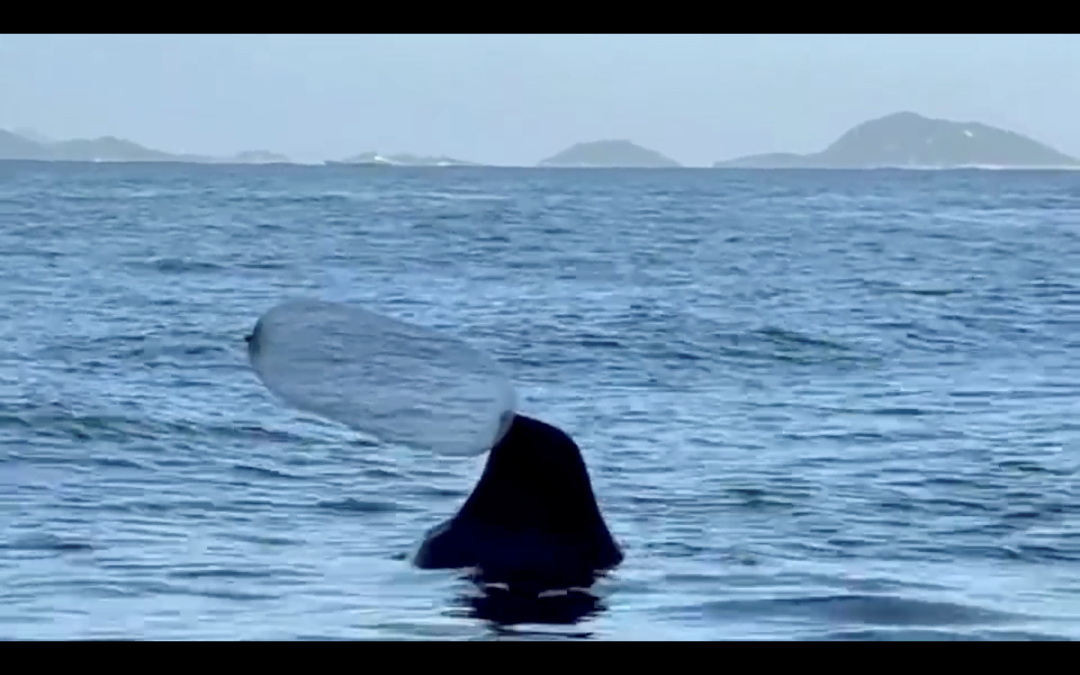
《搁浅》王志忠 有声视频,3分09秒,2024
Stranded Wang Zhizhong, audio video, 3′09″, 2024
在作品《搁浅》的表演中,艺术家饰演半人半兽,或像鱼类或像鸟类的生物,作品隐喻在气候危机中所有生物面临着同样的挑战和身处共同的困境。
In the performance of the work 'Stranded', the artist plays a half-human, half-animal creature, resembling either a fish or a bird. The work metaphorically suggests that all beings face the same challenges and are in a shared predicament amid the climate crisis.
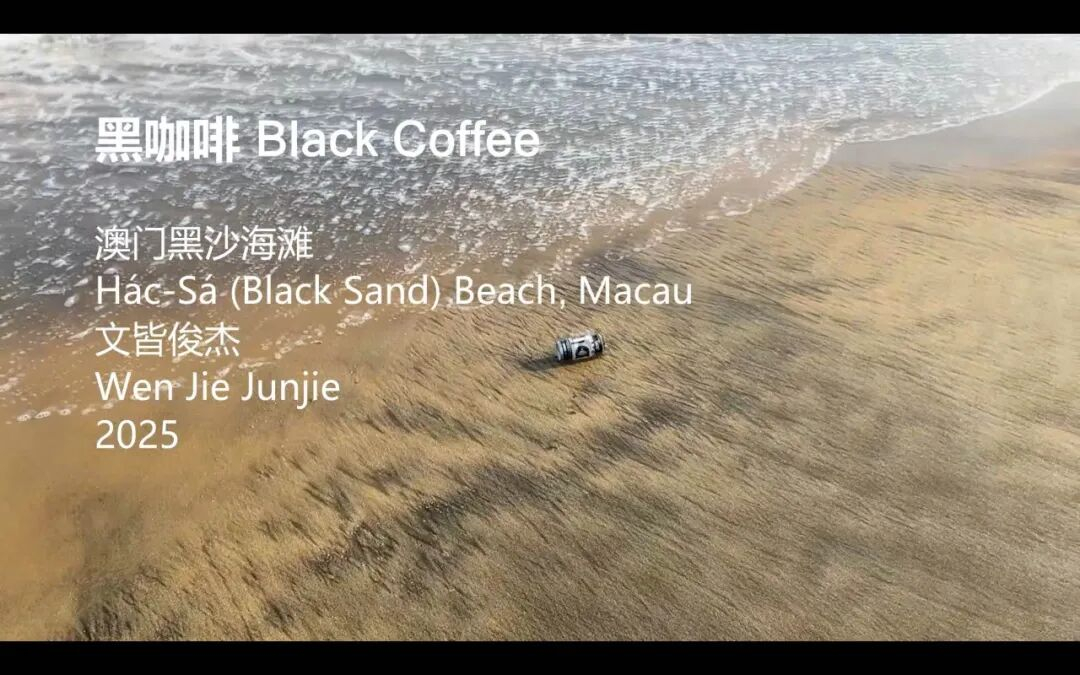
《黑咖啡》文皆俊杰 有声视频,6分28秒,2025年
Black Coffee Wen Jie Junjie, audio video, 6′08 ″, 2025
艺术家将在澳门黑沙海滩拾得的咖啡罐视为一个漂流瓶,在其表面贴满艺术家头像,不断地用脚踢向大海,期待被海浪带走,但一次又一次被冲回岸边。黑咖啡既是铁罐的商品名称,也是黑沙海滩的视觉特性,同时也是一个舶来品的符号象征。
The artist regards the coffee can found on Macau's Black sand Beach as a message in a bottle, covering its surface with portraits of the artist, repeatedly kicking it toward the sea, hoping to be carried away by the waves, only to be washed back to the shore time and time again. Black coffee is both the product name on the tin and a visual characteristic of Black Sand Beach, while also symbolizing an imported cultural element.
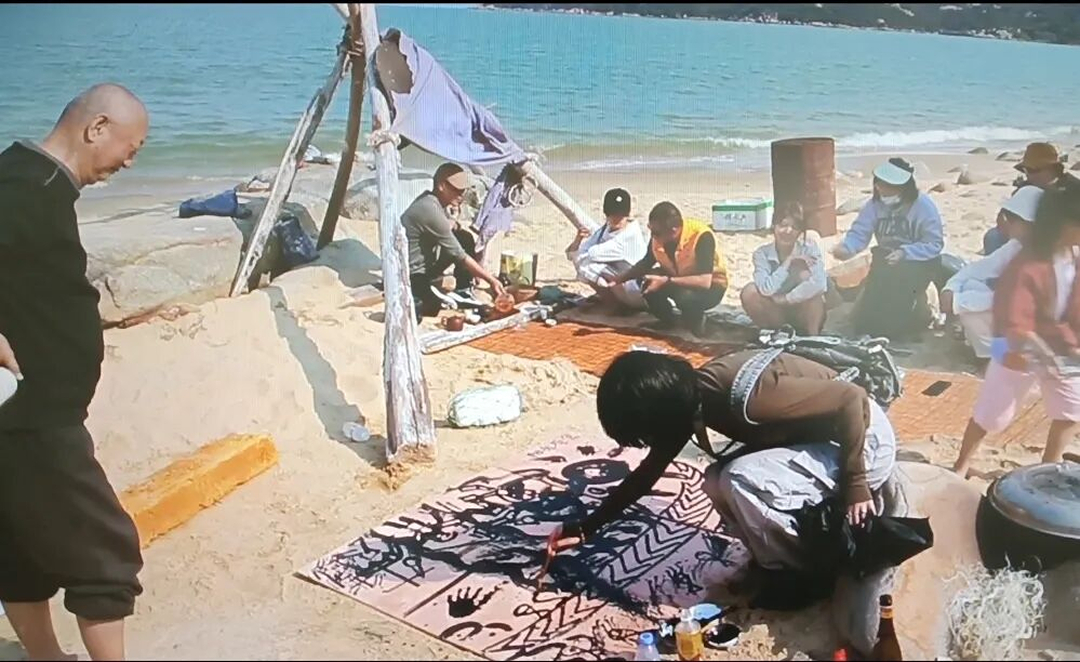
《阳光茶会》(百岛计划64组) 徐扬景 有声视频,11分24秒,2025
Sunshine Tea Party (Group 64, Hundred Islands Project) Xu Yangjing, audio video, 11′24″, 2025
艺术家徐扬景以“阳光茶会”参与到百岛计划64组的实践中,在海岛沙滩“煮水泡茶”,也符合他本人一贯提出的“朴空和可持续生活、朴空和可持续发展经济”等可持续生活概念。
Artist Xu Yangjing participated in the practice of the 64th group of the Hundred Islands Project with 'Sunshine Tea Party,' 'boiling water and brewing tea' on the island beach, which also aligns with his consistent concepts of sustainable living, such as 'simplicity and sustainability in life, simplicity and sustainable economic development.'
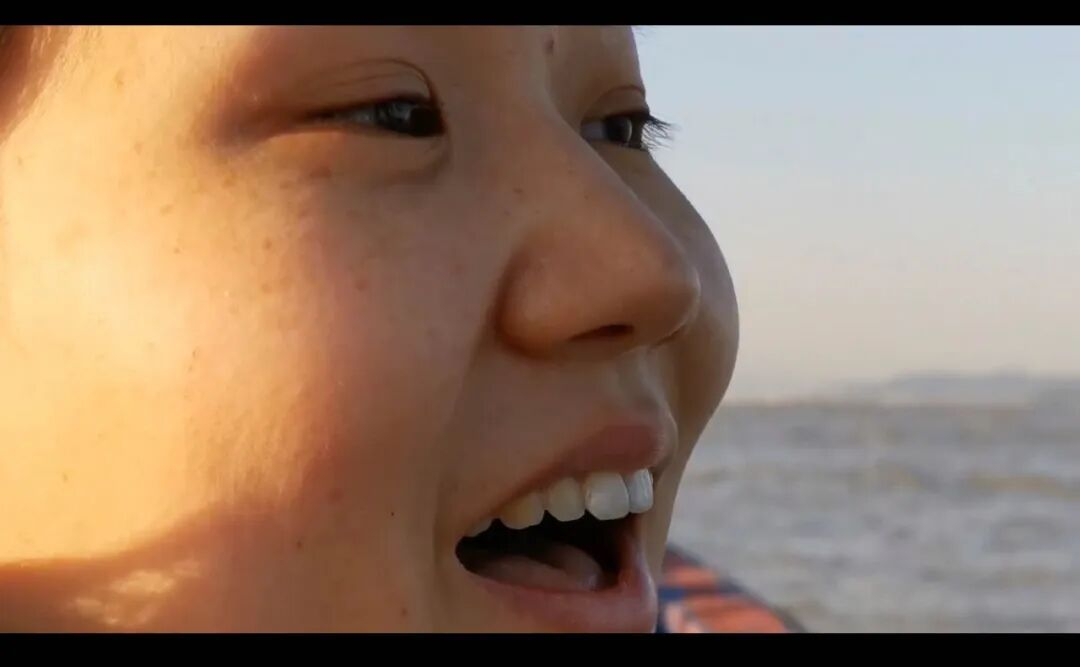
《海上渔歌》(百岛计划31组)张可 有声视频,4分03秒,2021
Sea Fishing Song (Group 31, Hundred Islands Project) Zhang Ke, audio video, 4′03″, 2021
艺术家张可以土生葡人文学作品“疍家女阿张”作为隐喻,她在31组的实践中以渔歌抒发感情:“大海边哎 沙滩上哎/风吹榕树沙沙响/渔家姑娘在海边哎织呀/织鱼网织呀么织鱼网”。
The artist Zhang Ke uses the literary work 'Dan Family Girl A Zhang' by the Macanese writer as a metaphor. In her practice during the trip of 31st group, she expressed her emotions through fishing songs: 'By the sea, oh / On the beach, oh / The wind rustles through the banyan trees / The fisher girl is by the sea, oh, weaving, weaving fishing nets / Weaving fishing nets, oh, weaving fishing nets.'
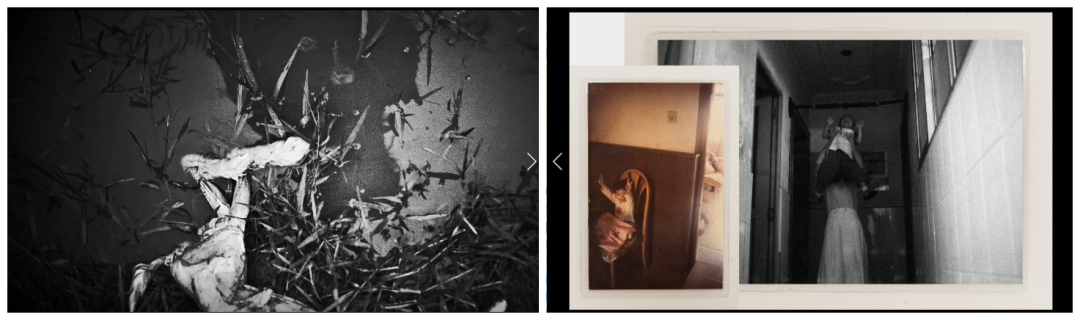
《半岛》 陈辉/全红臻 有声视频, 3分32秒/ 3分32秒, 2025
Peninsula Chen Hui/Quan Hongzhen, audio video, 3′32″ / 3′32″, 2025
近年来,我们一直在雷州半岛进行着关于“家(Oikos)”的田ᰀ生态调查。我们展出的作品「家半岛」来自我们调查的部分影像和video essay:一个人与非人所组成的谱系图以及一本私人摄影书。我们并不是把仅仅家当成是一种社会结构,而是将其视为人们思考世界的一个思想技术。家,分辨出了内部和外部,也勾勒出主体和客体的所在。家的强度体现着原初记忆的强度,这种强度构成筛选以及处理外界信息的复杂的操作,使得“家”,作为一种思想和自我技术,成为感知生态之中᯿要一环。家在传统的意味之中是非公共的存在,就像是一个远离大陆的岛屿。岛屿作为幽闭之物与作为公共意识的大陆被大海分开。然而我们认为家不在岛上,也不在大陆之中,当大海在夜幕之中退去,这是对于家的真正的意象才会出现。家是梦,以半岛的形式将孤寂的岛屿与大陆集体相连,这也是一种家的政治学。每一座岛屿某种程度上都是一个半岛。
In recent years, we have been conducting field ecological research on 'home (Oikos)' on the Leizhou Peninsula. Our exhibited work 'Home Peninsula' comes from some of the images and video essays from our research: a genealogy composed of humans and non-humans, as well as a private photography book. We do not merely consider home as a social structure, but rather view it as a cognitive technology through which people think about the world. Home distinguishes between the inside and the outside, and also outlines the positions of subject and object. The intensity of home reflects the intensity of primordial memory, which constitutes a complex mechanism for filtering and processing external information, making 'home,' as a cognitive and self-technology, an essential part of the perceptual ecology. In the traditional sense, home is a non-public entity, like an island isolated from the mainland. The sea from the mainland, which represents public consciousness, separates the island, as a secluded entity. However, we believe home is neither on the island nor on the mainland. When the sea recedes at night, the true image of home emerges. Home is a dream, connecting the lonely island and the collective mainland in the form of a peninsula, which is also a kind of politics of home. In some sense, every island is also a peninsula.
艺术家简介
Artist Biography
何俊彦 (百岛计划联合发起人)
1983年出生于珠海。多年来,他一直在关注广东沿海的渔业社群,以田野调查方式追踪出海渔民和海洋空间的关系,探讨作为中介的技术如何成为一种发展和干预的模式并由此讨论更广阔的沿海、岛屿和环境的关系。何俊彦先后就读于中国美术学院、巴黎索邦第一大学及巴黎国立高等美术学院。他于2016年发起“做海计划”,2018年联合发起“百岛计划”。他同时也是大湾区“一起沙龙吧”和LeTEL研究小组的联合发起人。
马境若水 (百岛计划联合发起人)
1960年出生地甘肃玉门市,祖籍陕北吴堡。退役军人。《百岛计划》联合发起人及持续实践者。现生活、工作在珠海、深圳、万山群岛。主要方向是汉字图腾、妈祖文化、海洋文化、沿海渔民的民俗文化(调研、访谈、交流、互动、实践)。
文皆俊杰
1980年出生于湖南永州,2004年毕业于中南大学计算机科学与技术专业,2004至2007年以计算机工程师身份工作于广东珠海,2008年前往北京并开始艺术家身份。2009至2011年通过互联网发起的在不同地点与陌生人一起生活的“寄居计划”是他理解世界的基础模型。他通过文字、身体、计算机这三个从家庭环境和成长经历获得的视角探索个体在互联世界中的行动与价值。
陈年
电影制作者,图像技术研究者。制作的电影曾入围Locarno国际电影节,BBH全球剧本写作奖获得者。
全虹臻
广东湛江人,北京电影学院摄影系毕业。人文摄影师和电影摄影师。创作母题是家庭。
潘星磊
毕业于中央美术学院雕塑系,国际著名行为及汉字艺术家。
张可
1991年出生于广东,毕业于四川美术学院和中央美术学院,艺术学博士。
郑乐
先后毕业于西安美术学院和巴黎国立高等美术学院,现生活与工作于西安和澳门。
徐扬景
2003年毕业于广州美术学院。2004年起开始关注环保生态问题与及进行了20年的生态艺术、生态文化的创作。提出“朴空和可持续生活、朴空和可持续发展经济”等可持续生活概念。
李是竞
生活与工作于深圳,启明街213号艺术空间的发起人。
王志忠
1958年生于中国吉林。毕业于东北师范大学美术系油画专业。1991年移居深圳,独立艺术家。作品形式涉及架上平面,影像,装置,行为。
语言的游戏与双重曝光
语言的游戏与双重曝光
Language Games and Double Exposures
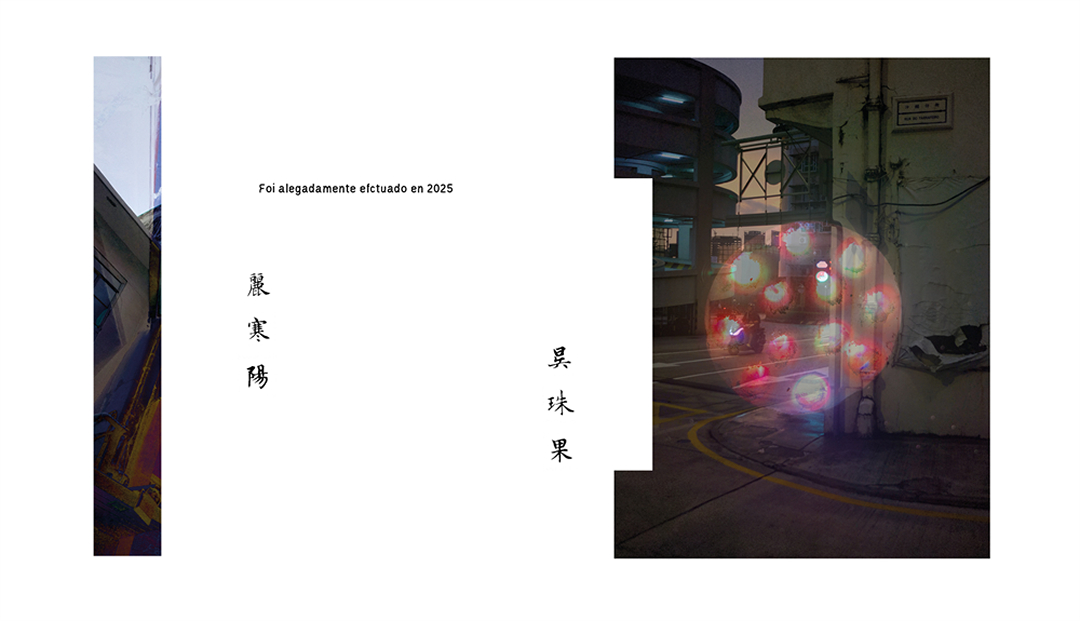
语言的游戏与双重曝光(局部)
贾淳+方大为
中国,比利时
摄影/书写
尺寸可变,共8件
2025
作品由艺术家提供
Language Games and DoubleExposures (partial)
Jia Chun + David Fank
CHN, BEL
Photography / Text
Dimensions variable
2025
Courtesy of the artists
便捷的公交网络是艺术家David Fank在澳门主要的出行方式, 在细致的观察中他发现, 澳门613个公交站中有23个站名的葡语与中文无法互译。比如11号公交车线路的名字 “11媽閣Barra” , 两者各自诉说着对同一地域的不同的理解、记忆与故事。他随即邀请生活在北京的艺术家贾淳就此为出发点共同进行文化差异与共存的在地 考察。
他们跟随着公交车的行进轨迹在澳门的公共空间中游走, 串起了 那些富有异国情调,又饱含着中国传统文化的点滴故事: 在草堆街上 他们探访了由孙中山创办的“中西药局”这样的“大叙事”, 又在临近处的互助会外墙上发现了一块1873年中葡双语石碑, 记录着一桩 房产商业纠纷。其文字内容被他们纳人文字实验的创作素材; 在车站沿线的白鸽巢公园、加思栏公园他们与澳门古树名木 (凤凰树、锦叶 榄仁、榔榆)不期而遇。如凤凰树原产非洲, 经由东南亚传入澳门, 锦叶榄仁原产热带亚洲, 这种“本土+外来” 的树种构成, 可与澳门 中西杂糅的文化特质相呼应。
在考察中, 他们一方面向澳门街坊收集与站名相关的历史记忆, 另一方面以摄影作为创作的重要媒介, 通过对两个人摄影的双重曝光 的处理, 直观呈现文化交流中的随机状态; 在探访澳门唯一一座苏州 园林风格的“卢九花园”时他们得知园子主人卢华绍,自20世纪 初起在广东及澳门经营“白鸽票”这类民间游艺。这种形式延续至今,
即是澳门市井间的休闲娱乐活动“电脑白鸽票”。其特点是: 投注表 格由阿拉伯数字与《千字文》中的80个汉字共同构成, 直观体现了澳门本土文化中西交融的特质。在接下来的文字创作中, 他们把《千字文》及1873年的葡语碑文分别代人偶然产生的号码中, 共同协商文本与号码的对应规则, 在反复的写作实验中生成具有文学虚构特质的词句, 将历史中的文化共存延伸为当下的创作互动。
During his residence in Macau, David Fank discovered that some of the Portuguese and Chinese names of Macau bus stops could not be translated into each other. It's like people from different cultural backgrounds talking about different things when discussing the same place. For example, the name of bus route 11, "11 媽閣 Barra," originates from the Ma Ge Temple in Chinese, while the Portuguese used "Barra" as their initial address for the area when they first arrived in Macau. He then invited artist Jia Chun, based in Beijing, to conduct a site-specific investigation on cultural difference and coexistence starting from this discovery.
Following the routes of public buses, the two artists wandered through Macao’s public spaces, weaving together stories that carry exotic charm while being deeply rooted in traditional Chinese culture: on Rua dos Mercadores in Caodui Street, opposite of the "Chinese and Western Medicine Bureau" founded by Sun Yat-sen, they discovered a bilingual stone tablet from 1873 on the outer wall of a mutual aid association nearby, recording a property commercial dispute. The text content on the stone tablet was subsequently incorporated into their writing experiment. Along the routes, they also came across ancient and famous trees in Macao, such as those in Jardim de São Francisco and Jardim de São Lázaro, including flame trees, terminalia neotaliala, and Chinese elms. Flame trees, native to Africa, were introduced to Macao via Southeast Asia; terminalia neotaliala originates from tropical Asia. This mix of “native + introduced” tree species echoes Macao’s hybrid Chinese-Western cultural identity.
During their research, they collected historical memories related to station names from local Macao residents. Meanwhile, using photography as a key medium, they merged their respective photographs through double exposure to visually represent the randomness inherent in cultural exchange. When visiting Jardim de Lou Kau, Macao’s only Suzhou-style classical garden, they learned that its original owner, Lou Wa Sio, ran folk games such as “Pigeon Ticket” in Guangdong and Macao from the early 20th century. This tradition continues today as “Electronic Pigeon Ticket”, a popular recreational activity in Macao. Its betting slip combines Arabic numerals with 80 Chinese characters from Thousand Character Classic, directly embodying Macao’s blended Chinese-Western local culture. In subsequent textual creation, they embedded excerpts from Thousand Character Classic and the 1873 Portuguese inscription into randomly generated numbers, negotiated rules for matching text and numbers, and generated literarily fictional phrases through repeated writing experiments — extending historical cultural coexistence into contemporary creative interaction.
艺术家简介
Artist Biography
方大为,2010年David Fank(方大为)首次来到中国(西安)参加艺术家驻留计划。从巴黎美术学院毕业后David来到北京,继续在中央美术学院深造并获得博士学位。此后David生活工作于广州和澳门。他曾于2025年与2021年两次参加澳门国际艺术双年展;在2014年他在巴黎无界艺术空间展出作品《中国的气》,同年,在家乡比利时圣维特举办个展「Triangel」。
贾淳,艺术家,天津美术学院实验艺术学院教师。2004年至2010年在巴黎美术学院VINCENT BARRE工作室就读,毕业后从事艺术创作至今。他的作品于2025年参展「语言之海」澳门国际艺术双年展;2024年,「本源与智新」第四届(中国)西部美术作品双年展;2023年,「在柏拉图的光照下——贾淳作品展」广东美术馆7号空间展;2021年,「艺术家研究出版计划」北京时代美术馆群展;2019年,「快乐的人们……」北京中间美术馆群展;2018年,「今日往昔」首届安仁双年展;2017年,「诸神的碎片」南京艺术学院美术馆零空间群展;2016年,HISTORICODE 萧条与供给」第三届南京国际美展,作品获学术奖;2015年,「创客创客·中国青年艺术的现实表征」第二届中央美术学院美术馆CAFAM未来展。
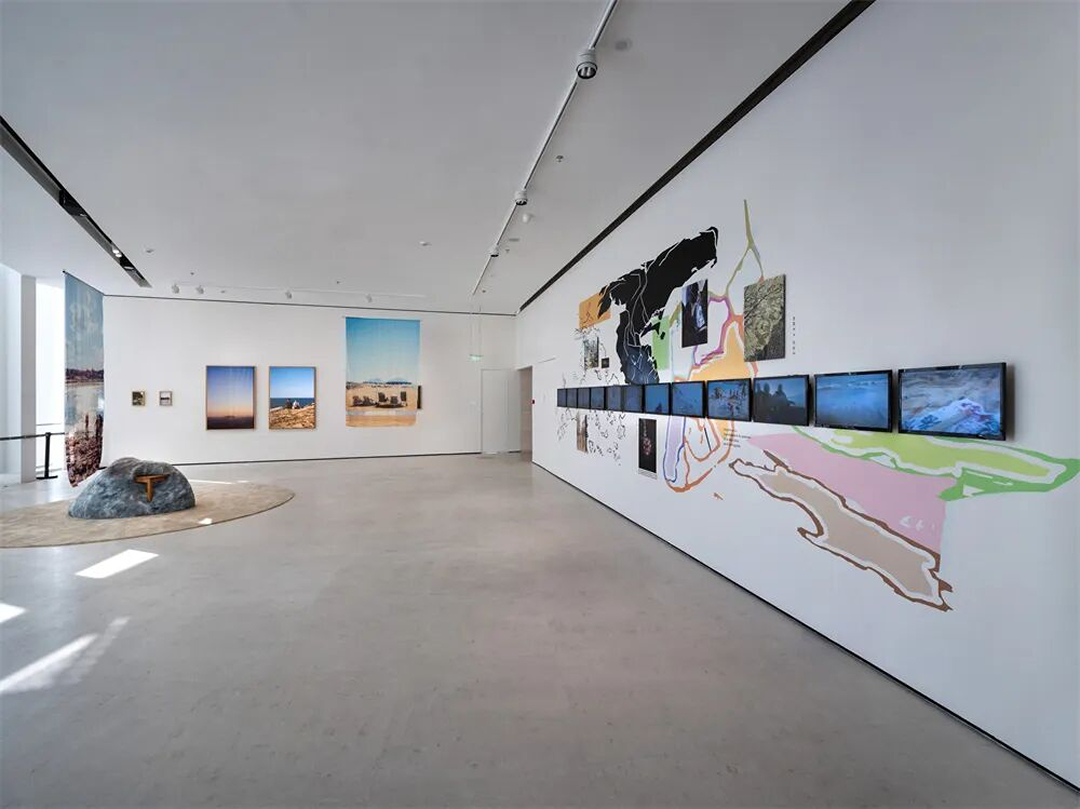
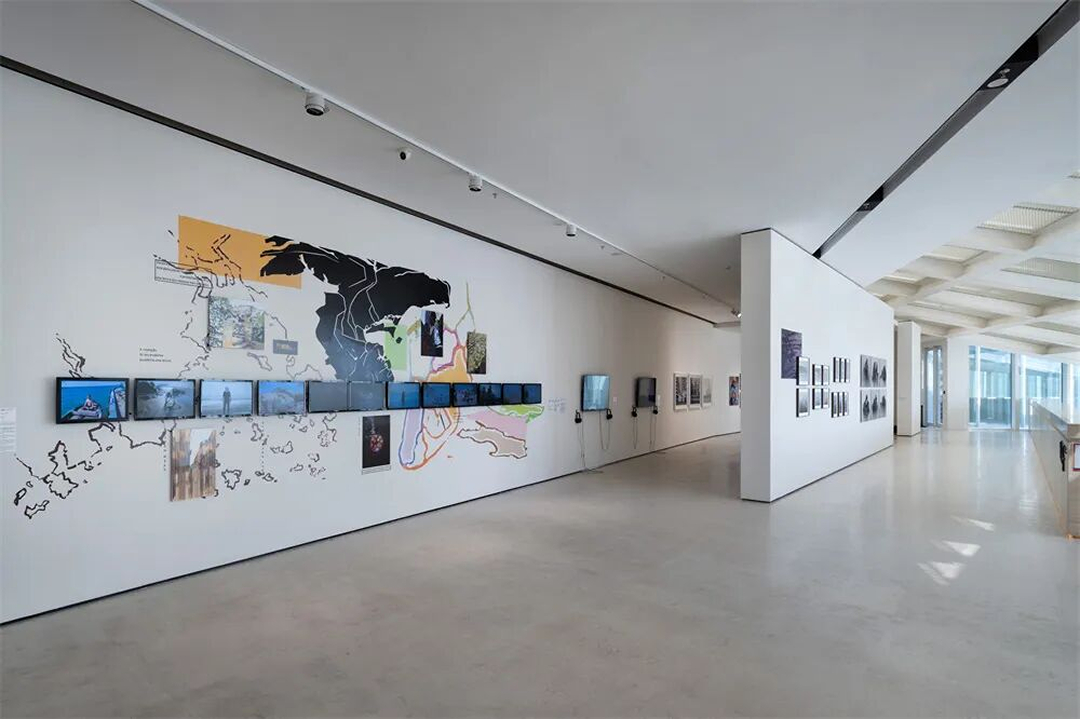
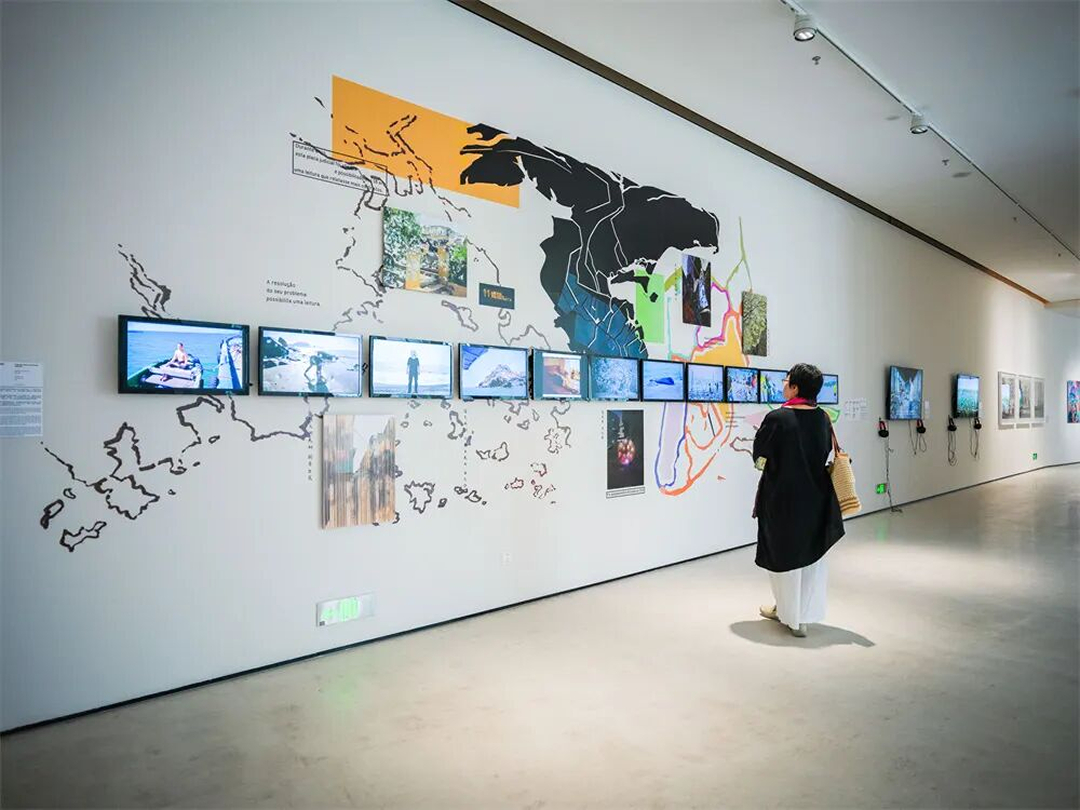
展览现场
审定 / 涂晓庞
审校 / 曾睿洁
资料提供 / 石裕榕
图片 / 曾雨林
编辑 / 刘丹妮
开放时间——每周二至周日9:00至17:00(16:30停止入场,16:45开始清场)
逢周一闭馆(法定节假日和特殊情况除外)。
广东美术馆新馆(白鹅潭):广东省广州市荔湾区白鹅潭南路19号
前台电话: (020) 88902999
广东美术馆本馆(二沙岛):广东省广州市越秀区二沙岛烟雨路38号
前台电话: (020) 87351468