

读懂艺术家 | 广州影像三年展2025—— 徐坦
编者按
广州影像三年展2025以 “感知生态学” 为主题,集结全球 25个国家和地区的80 余位影像领域创作者,呈现一场聚焦生态、感知与媒介创新的艺术盛宴。
参展艺术家立足多元文化背景,以摄影、影像装置、数字艺术等丰富媒介,从自然生态、城市生态、人文生态等维度展开创作,用镜头记录环境变迁,以作品探讨人类与自然的共生关系。
这些创作者既是影像艺术的实践者,也是时代议题的回应者。接下来,让我们逐一走近他们,解读其作品背后的创作逻辑与思想内核。
艺术家简介
Artist Biography
徐坦,1957年生于武汉,于1989年获广州美术学院硕士学位。1993年加入广州“大尾象工作小组”。现工作并生活于珠海。
徐坦的创作涉及文字、图片、录像、行为、装置、网络等多种媒介领域,他敏感于社会生活和文化的变化,不停地追问当代艺术的边界何在。他将艺术表达和知识性研究、美学实践和理性认知视为他工作价值中不可分割的两个维度,并探索两者之间一种适度的张力。从2005年开始,徐坦展开了“搜寻关键词”的研究和调查项目,艺术家通过对中国活跃地区中特定的活跃人群的音像访谈、调查、采集,持续整理和搜寻出“关键词”,并将这些”关键词”置入到新的对话情境中;2008年开始的“关键词学校”即是为这些关键词所引发的讨论和交流所建构的公共空间。2011年后,“关键词实验室——社会植物学”又开启了一系列社会、文化议题的专门研究项目,探索将研究活动和美学活动结合起来,创造一种综合的,跨领域的感知和认识活动。
徐坦近期个人项目包括:“三藩市关键词学校”,罗斯小巷41号,旧金山,2014;“徐坦:问题:地﹣土,和土地植物学”,维他命空间,广州,2013;“可能的语词游戏——徐坦语言工作室”,OCT当代艺术中心,深圳, 2011等。他近年来参加的国际性群展和双年展包括:“The Island of the Colorblind”,Art Sonje Center,首尔,2019;“How to talk with birds, trees, fish, shells, snakes, bulls and lions”, 汉堡火车站美术馆,柏林, 2018;“ 银川双年展:从沙漠出发—边界上的生态学”,银川,2018等。
Xu Tan was borned in 1957 in Wuhan, Hubei Province, he studied fine arts at the Guangzhou Academy of Fine Arts where he received a master’s degree in 1989. In the early 1990s, he joined the Guangzhou-based artist collective “Big Tail Elephant Group.” He currently lives in Zhuhai.
Born in the late 1950s, Xu Tan has experienced the different social transformations of Chinese society and has never stopped questioning the boundary of art. In his work he constantly asks what “contemporary art” means, and where lies the relationship between “contemporary art practices” and “Chinese life systems in the global context.” Since 2005, Xu Tan has been developing the Keywords Project, exploring linguistic activities, collective research, public space and knowledge production through a variety of working methods, that reflect his evolving approach to social investigations, research and aesthetic activities.
Xu Tan’s recent solo exhibitions include San Francisco Chinatown Keywords School, 41 Ross Alley, San Francisco, 2014; Xu Tan: Question, Soil and “Socio-Botanic”, Vitamin Creative Space, Guangzhou, 2013; Possible Vocabulary Games: Xu Tan Language Workshop, OCAT, Shenzhen, 2011. Xu Tan has participated in numerous international exhibitions and biennials, including: The Island of the Colorblind, Art Sonje Center, Seoul, 2019; How to talk with birds, trees, fish, shells, snakes, bulls and lions, Hamburger Bahnhof – Museum für Gegenwart, Berlin, 2018; Yinchuan Biennale 2: Starting from the Desert – Ecologies on the Edge, Yinchuan Museum of Contemporary Art, Yinchuan, 2018, etc.
参展作品
Exhibited Works
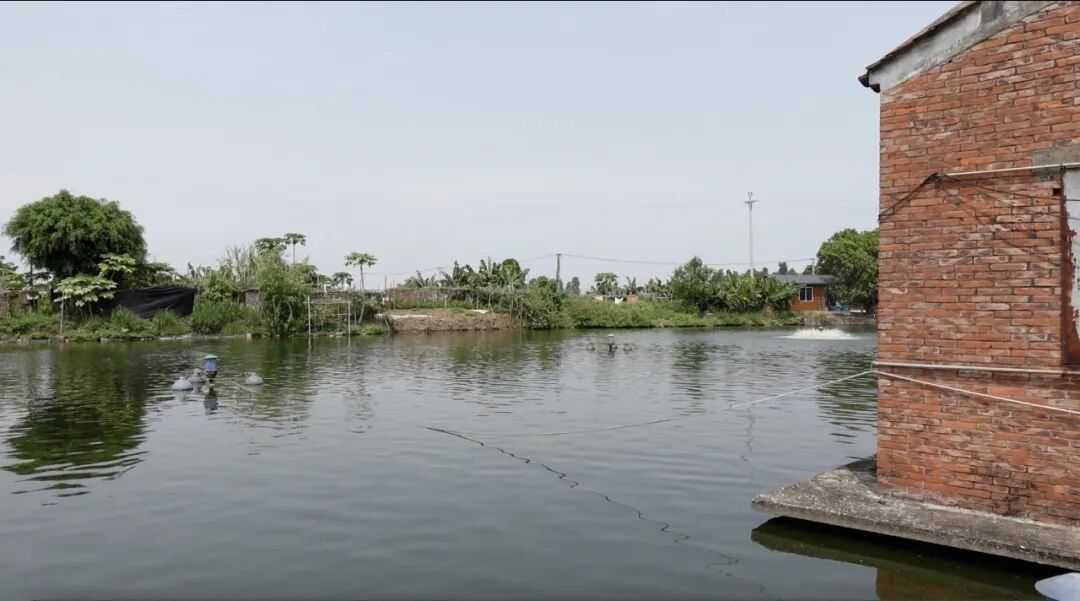
西江东女详林吉(一)--二叔婆与吴欢萱(静帧)
徐坦
中国
影像
24'20"
2025
作品由艺术家提供
The new Xianglin on the eastbank of The West River (1)-Second aunt and Wu Huanxuan (Still Frame)
Xu Tan
CHN
Video
24'20"
2025
Courtesy of the artist
这是一项长期性艺术计划,延续其“社会调研作为艺术实践起点”的方法论,通过田野调查、口述史收集、环境与文化观察等手段,深入广东顺德地区,聚焦当地劳动女性的生活经验、社会角色与心理状态。项目以敏锐而耐心的姿态进入她们的日常,以个体故事为线索展开对更广泛社会结构与性别关系的观察与反思。作品以影像系统呈现地方女性在家庭分工、劳作实践及社会文化压力中的处境,揭示代际间在生活方式与价值观上的差异与张力,同时关注责任、伦理规范与结构性限制共同作用下的心理复杂性,如坚韧、困惑与资源受限所形成的行为模式。这些女性,作为支撑家庭与社区的基本力量,既是地方文化的承载者,也是社会变迁的见证者,其多重身份往往被日常所遮蔽。作品同时融入地方戏剧、顺德民间传统和民俗与女性身体经验的隐喻,形成一个既根植地方又具有普遍意义的文化叙事,呼唤一种更为细腻、持久的社会关注与人文“修复”之道。
This long-term artistic project continues the methodology of “social research as the point of departure for artistic practice.” Through fieldwork, oral history collection, and environmental and cultural observation, the project investigates the Shunde region of Guangdong, focusing on the lived experiences, social roles, and psychological conditions of local working women. Approaching their daily environments with attentiveness and patience, it uses individual narratives to open reflections on broader social structures and gender relations. The work employs moving image to systematically present the conditions of local women as they negotiate domestic division of labor, modes of work, and socio-cultural pressures, revealing intergenerational tensions in values and ways of life. It further considers the psychological complexities shaped by the interplay of responsibility, ethical expectations, and structural constraints—manifested in resilience, confusion, and behavioral patterns formed under limited emotional or cognitive resources. These women, as fundamental supports of both family and community, are at once carriers of local culture and witnesses to social transformation, though their multiple roles are often obscured by the ordinariness of daily life. The work also incorporates elements of local opera, Shunde folk traditions, and metaphors of embodied female experience to construct a narrative that is both locally grounded and broadly resonant, calling for a more nuanced, sustained form of social attention and humanistic repair.
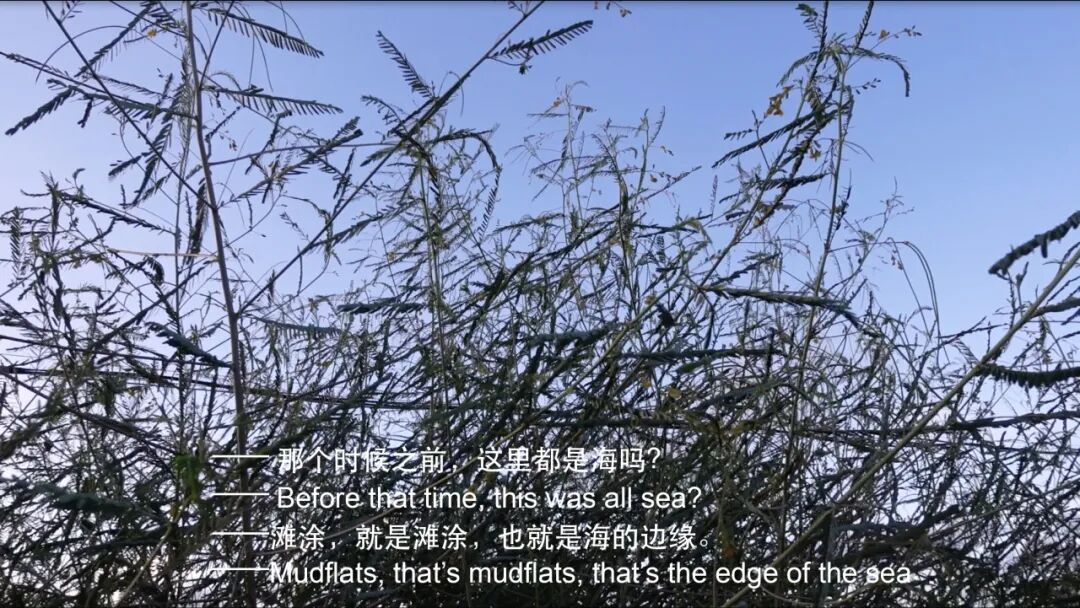
甜蜜的废墟(静帧)
徐坦+夏梓纯
摄影:马静若水
中国
影像
22mins
2023
主办:红旗糖厂
支持:珠江晚报
作品由艺术家提供
Sweet Ruins (Still Frame)
Xu Tan +Xia ZichunPhotography: Ma Jing
CHN
Video
22mins
2023
Organizer: Hongqi Sugar Factory
Supported by: Zhujiang Evening News
Courtesy of the artists
2023 年 8 月,在珠海金湾区沿海地带一处具有重要工业遗址价值的空间——废弃的红旗糖厂内,一项名为《墟土 / 重生》的艺术计划拉开帷幕。该计划由红旗糖厂发起,珠江晚报支持,该项目以“社会调研作为艺术实践的起点”,系统考察了红旗糖厂及其周边区域的自然与人文变迁。在此背景下,艺术家徐坦创作了名为《甜蜜的废墟》的影像作品。作品关注该工业遗址自身的历史命运,通过田野调查、口述史、环境观察等方法,追踪了沿海生态环境的演化、区域产业结构的更迭,以及地方社会在城市化进程中所经历的身份转型与空间重构。《甜蜜的废墟》作为一次基于在地知识生产的协作性实验,对工业现代性进行反思,试图探索在地方语境中重新激活废墟空间的可能路径,在人与土地、历史与未来之间的多重关系中,使艺术成为观察、介入与再想象社会现实的工具。
In August 2023, within the abandoned Hongqi Sugar Factory—an industrial site of significant historical value located along the coastal area of Jinwan District, Zhuhai—the art project Ruins / Rebirth was launched.Initiated by the Hongqi Sugar Factory and supported by the Zhujiang Evening News, the project adopts “social research as the point of departure for artistic practice,” undertaking a systematic examination of the natural and cultural transformations surrounding the factory and its adjacent region. Against this backdrop, artist Xu Tan created the video work Sweet Ruins.The artwork focuses on the historical trajectory of this industrial site, employing field investigations, oral history, and environmental observation to trace the evolution of the coastal ecological environment, shifts in regional industrial structure, and the transformations in local identity and spatial configuration brought about by urbanization. As a collaborative experiment grounded in situated knowledge production, Sweet Ruins reflects on industrial modernity while probing potential pathways for reactivating ruinous spaces within local cultural contexts. Through the intertwined relations between people and land, history and futurity, the work positions art as a tool for observing, intervening in, and reimagining social reality.
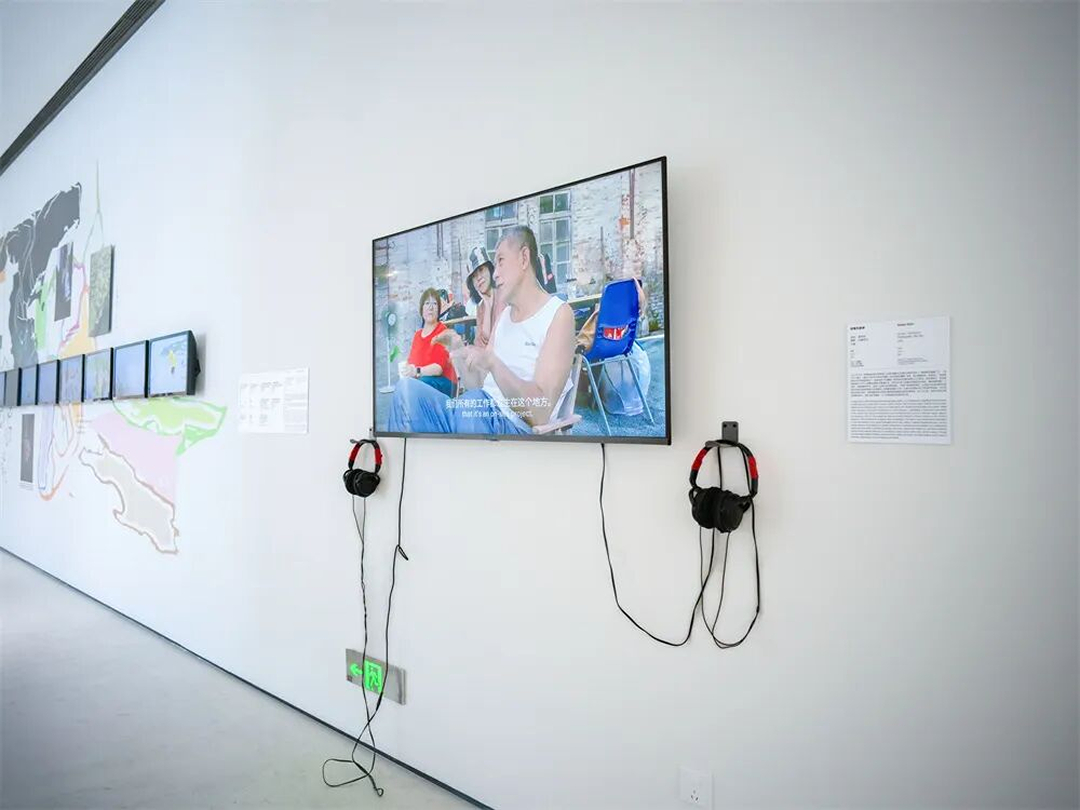
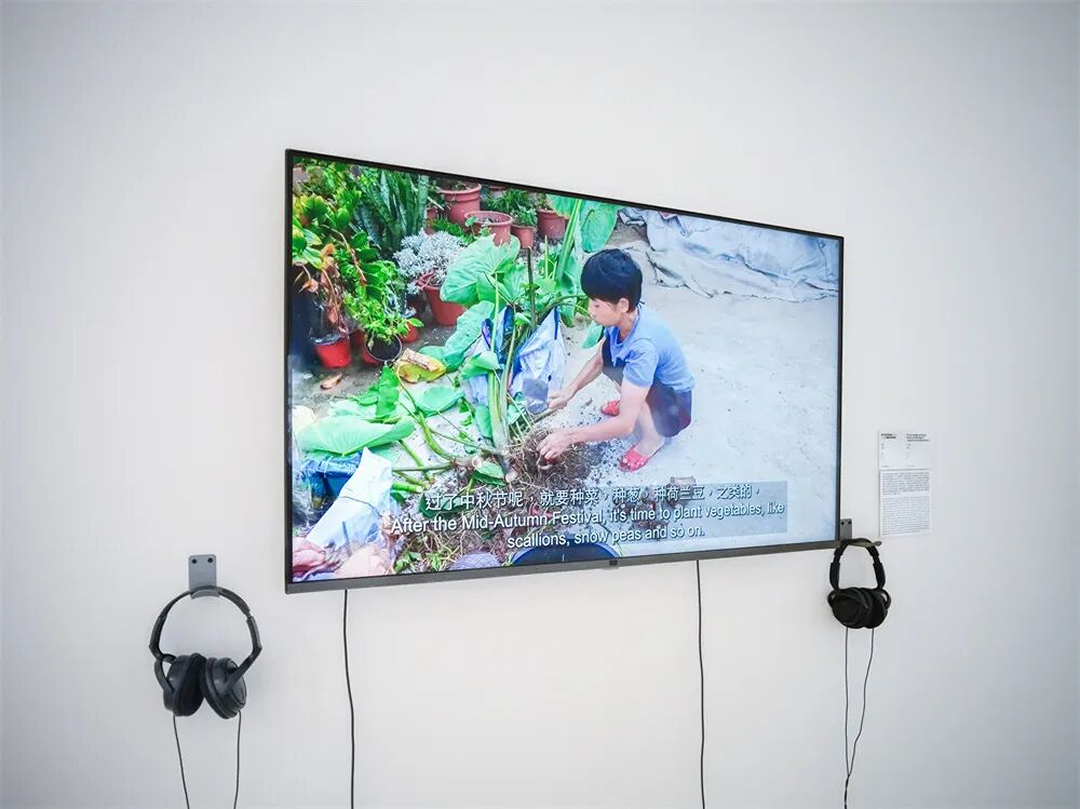
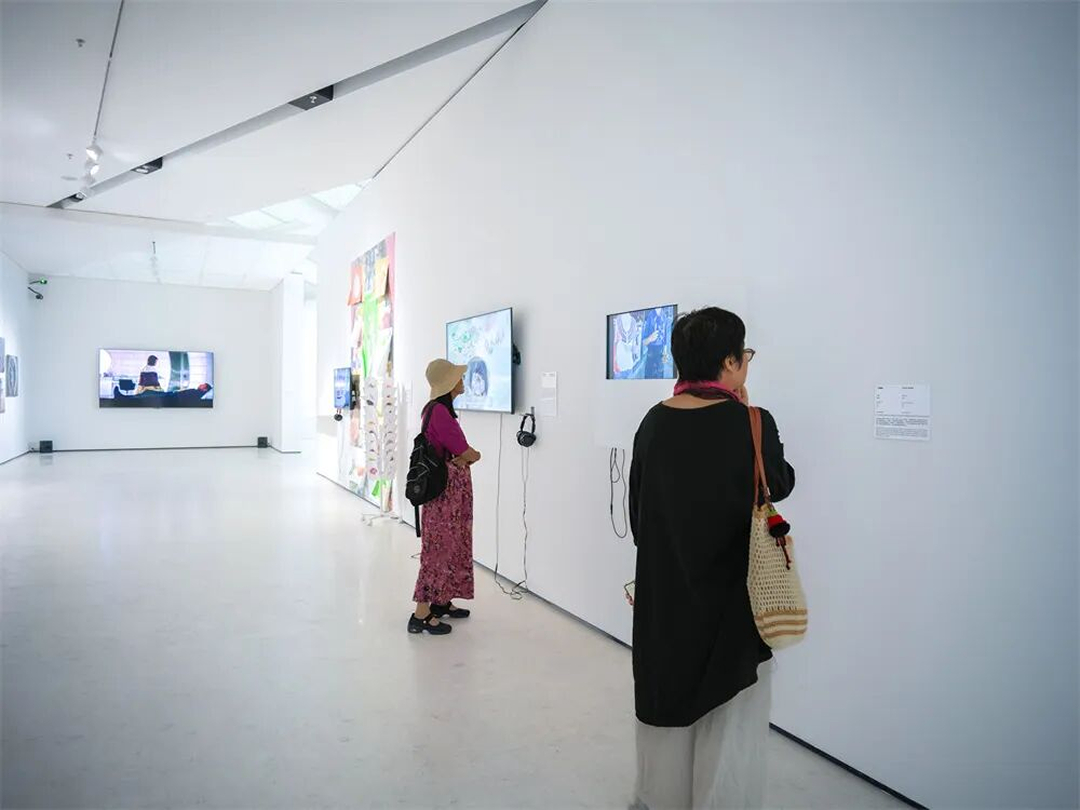
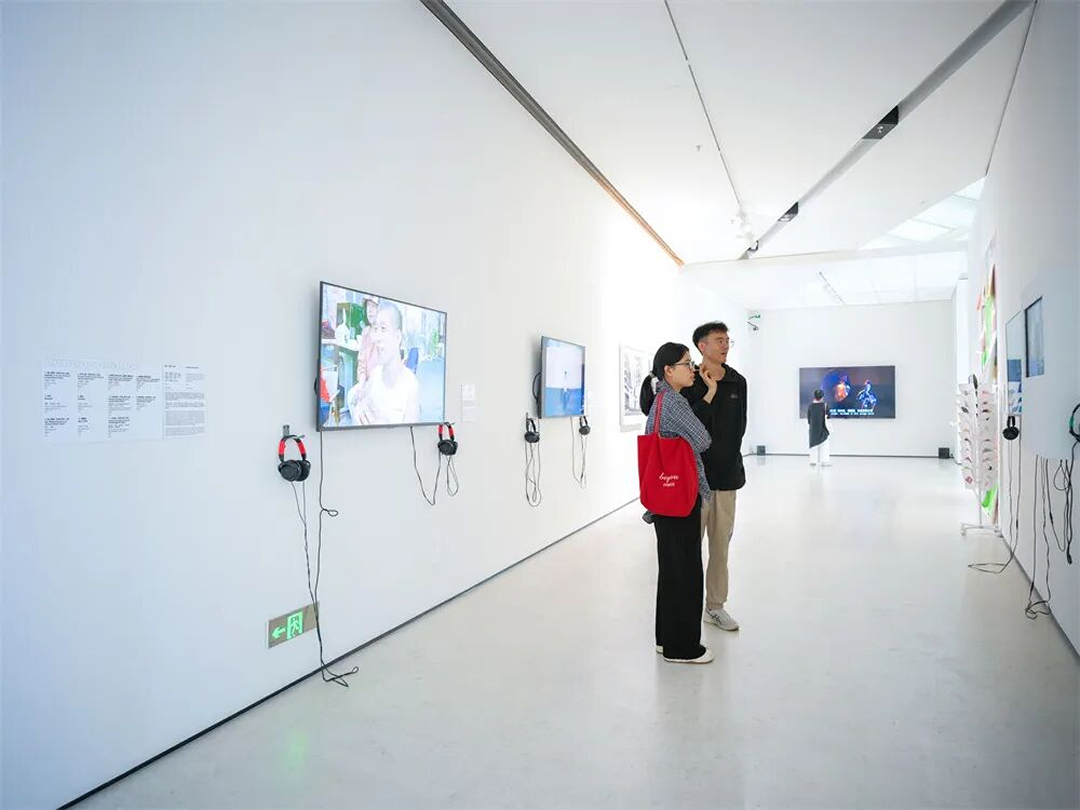
展览现场
审定 / 涂晓庞
审校 / 曾睿洁
资料提供 / 石裕榕
图片 / 杜悦儿
编辑 / 刘丹妮
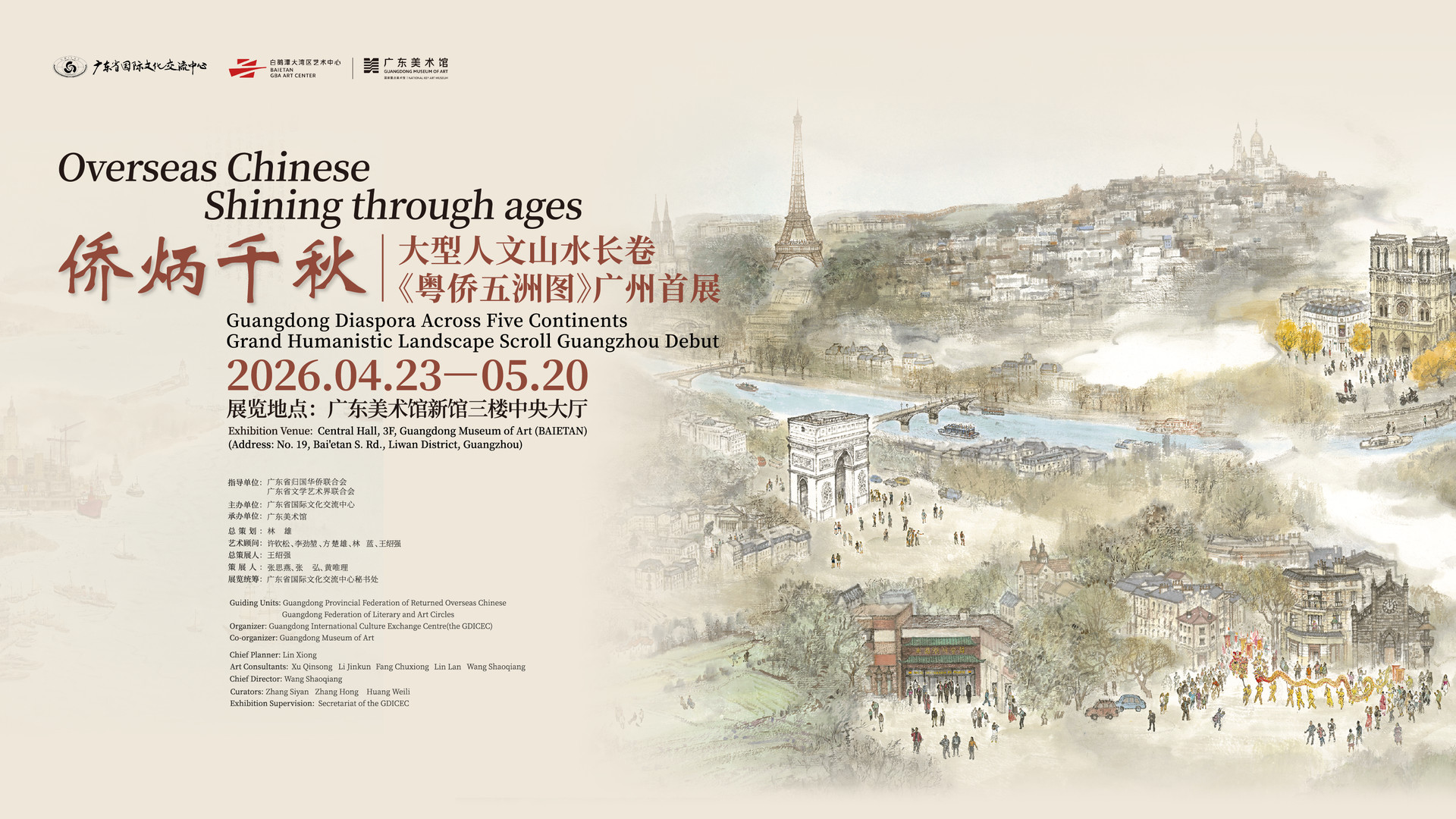
开放时间——每周二至周日9:00至17:00(16:30停止入场,16:45开始清场)
逢周一闭馆(法定节假日和特殊情况除外)。
广东美术馆新馆(白鹅潭):广东省广州市荔湾区白鹅潭南路19号
前台电话: (020) 88902999
广东美术馆本馆(二沙岛):广东省广州市越秀区二沙岛烟雨路38号
前台电话: (020) 87351468