

读懂艺术家 | 广州影像三年展2025——丘
编者按
广州影像三年展2025以 “感知生态学” 为主题,集结全球 25个国家和地区的80 余位影像领域创作者,呈现一场聚焦生态、感知与媒介创新的艺术盛宴。
参展艺术家立足多元文化背景,以摄影、影像装置、数字艺术等丰富媒介,从自然生态、城市生态、人文生态等维度展开创作,用镜头记录环境变迁,以作品探讨人类与自然的共生关系。
这些创作者既是影像艺术的实践者,也是时代议题的回应者。接下来,让我们逐一走近他们,解读其作品背后的创作逻辑与思想内核。
艺术家简介
Artist Biography
丘,影像写作者,现工作生活于广州。从事影像创作二十四年,近年来着迷于影像空间的层次和再现,运用各种综合材料来拓展“观看”。出版作品有《记事》《瘴》,再到《毋墟》,体现其对影像本体语言的深入探索。
近年来,他着重研究影像空间的层次与再现问题,以扎实的实践推动影像媒介的边界。其作品曾在国内外重要艺术机构展出,包括上海当代艺术博物馆(上海双年展,2018)、广东美术馆、广州美术学院美术馆、银川当代美术馆(2021)、成都美术馆(2022)、丽水摄影博物馆(2023)等;亦参与集美·阿尔勒国际摄影季(2021)、意大利米切蒂艺术基金会展览(2019,米兰)等国际展览。
重要个展包括“问天地之悠悠”(5A1画廊,深圳,2024)、“曌”(色界画廊,深圳,2021)、“回南天”(木格堂,成都,2020)等。其作品亦入选“视觉之巅——中国当代摄影研究展”(2022)、“光影重构——当代摄影与传统”(广美美术馆,2023)、“唐诗之路——中日艺术家特展”(浙江省展览馆,2022)及“第七届中国摄影图书榜”(嘉兴,2023)等具有学术影响力的展览与项目。
丘通过二十余年持续的影像实践,建立起具个人风格与方法论深度的创作路径,为中国当代影像领域的重要参与者。
QIU is an writer of photographic art, currently working and living in Guangzhou. With twenty-four years dedicated to image creation, he has recently become fascinated by the layers and representation of image space, utilizing various mixed media to expand the concept of "viewing." His published works, from Records and Miasma to No Ruins, reflect his deep exploration of the intrinsic language of images.
In recent years, he has focused on researching the layers and representation of image space, pushing the boundaries of the image medium through solid practice. His works have been exhibited in important art institutions both domestically and internationally, including the Power Station of Art (Shanghai Biennale, 2018), Guangdong Museum of Art, Guangzhou Academy of Fine Arts Museum, Yinchuan Museum of Contemporary Art (2021), Chengdu Museum of Contemporary Art (2022), Lishui Photography Museum (2023), among others. He has also participated in international exhibitions such as Jimei x Arles International Photo Festival (2021) and the Fondazione Micchetti exhibition in Italy (2019, Milan).
Significant solo exhibitions include Ask the Vastness of Heaven and Earth (5A1 Gallery, Shenzhen, 2024), Zhao (Color Gallery, Shenzhen, 2021), and Return to the South (Mugedang, Chengdu, 2020). His works have also been selected for academically influential exhibitions and projects such as Pinnacle of Vision – A Study Exhibition of Contemporary Chinese Photography (2022), Reconstructing Light and Shadow – Contemporary Photography and Tradition (Guangzhou Academy of Fine Arts Museum, 2023), The Road of Tang Poetry – Special Exhibition of Chinese and Japanese Artists (Zhejiang Provincial Exhibition Hall, 2022), and The 7th China Photography Book List (Jiaxing, 2023).
Through over twenty years of continuous image practice, Qiu has established a creative path with personal style and methodological depth, making him an important participant in the field of contemporary Chinese Photography.
参展作品
Exhibited Work
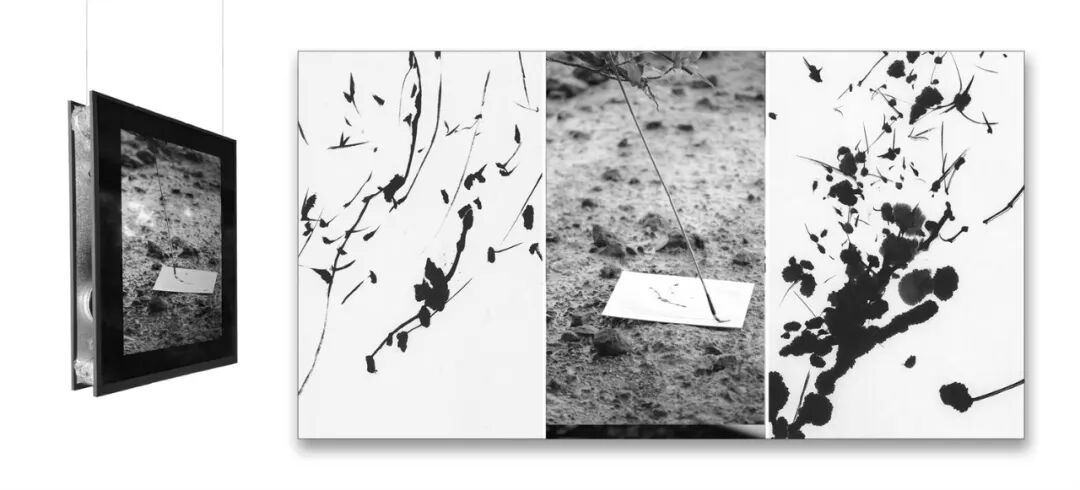
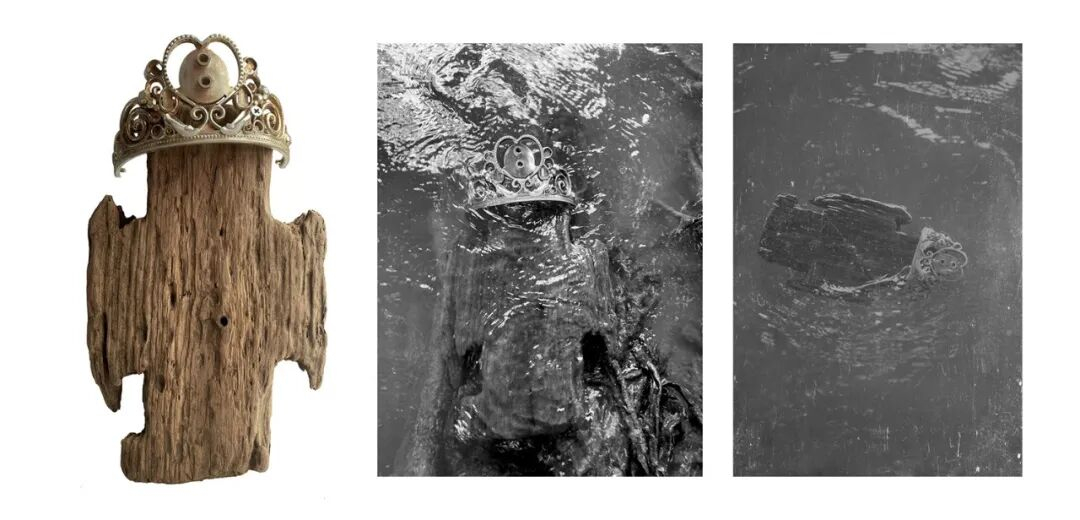
水流神
丘(中国)
混合媒材
尺寸不等(40cm × 20cm × 3cm, 15cm × 12cm × 5cm, 20cm × 12cm × 12cm, 12cm × 16cm × 6cm, 18cm × 13cm × 3cm)
2022-2024
作品由艺术家提供
The Deity of Flowing Water
QIU (CHN)
Mixed media
Variable dimensions (40cm × 20cm × 3cm, 15cm × 12cm × 5cm, 20cm × 12cm × 12cm, 12cm × 16cm × 6cm, 18cm × 13cm × 3cm)
2022-2024
Courtesy of the artist
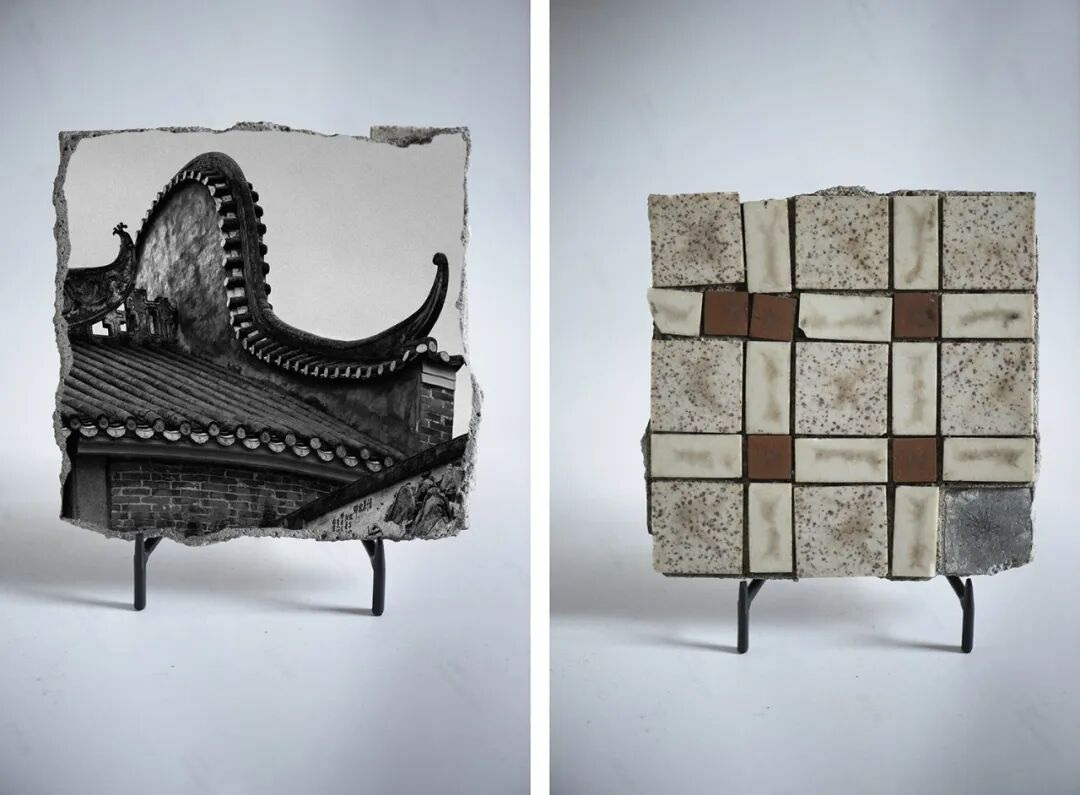
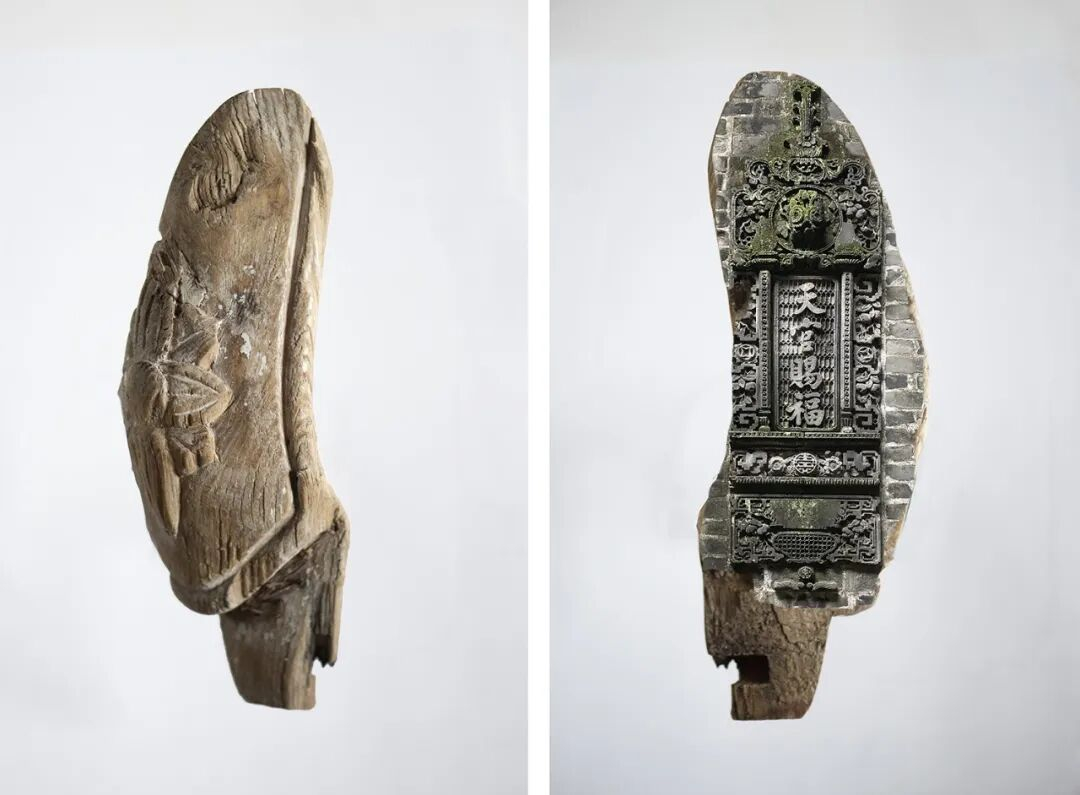
洲表村
丘(中国)
混合媒材
尺寸不等(18cm × 10 cm× 10 cm, 15cm × 10 cm× 10 cm, 12cm × 12 cm× 12 cm, 15cm × 15 cm× 10 cm, 15cm × 15 cm× 10 cm)
2024
作品由艺术家提供
Zhoubiao Village
QIU (CHN)
Mixed media
Variable dimensions (18cm × 10 cm× 10 cm, 15cm × 10 cm× 10 cm, 12cm × 12 cm× 12 cm, 15cm × 15 cm× 10 cm, 15cm × 15 cm× 10 cm)
2024
Courtesy of the artist
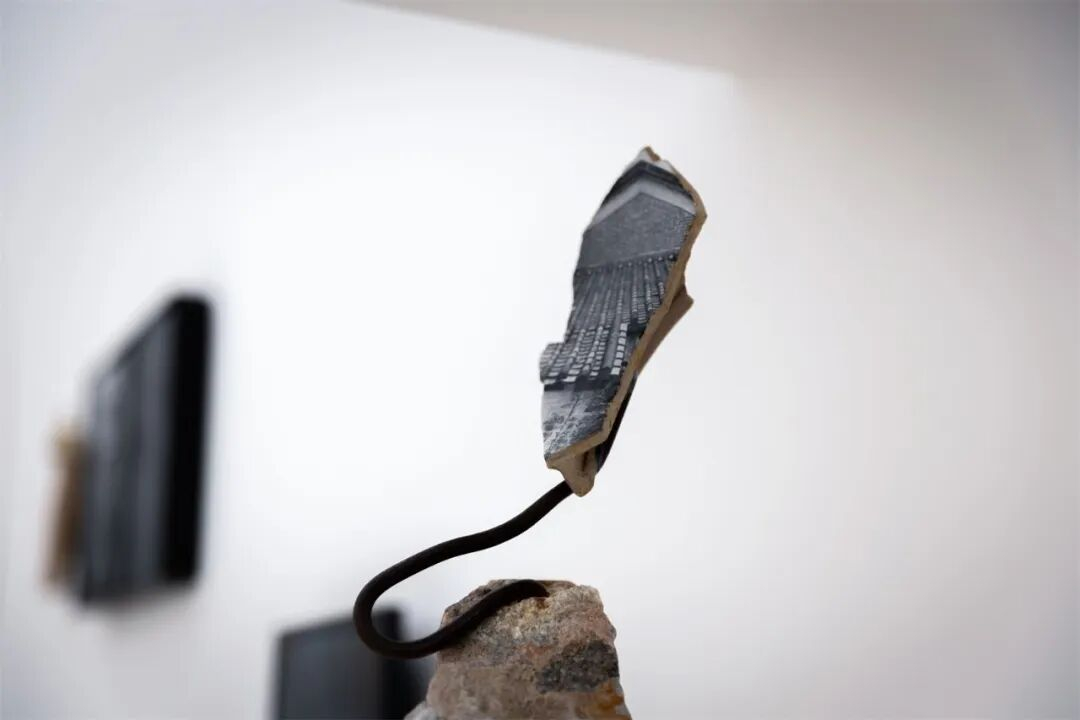
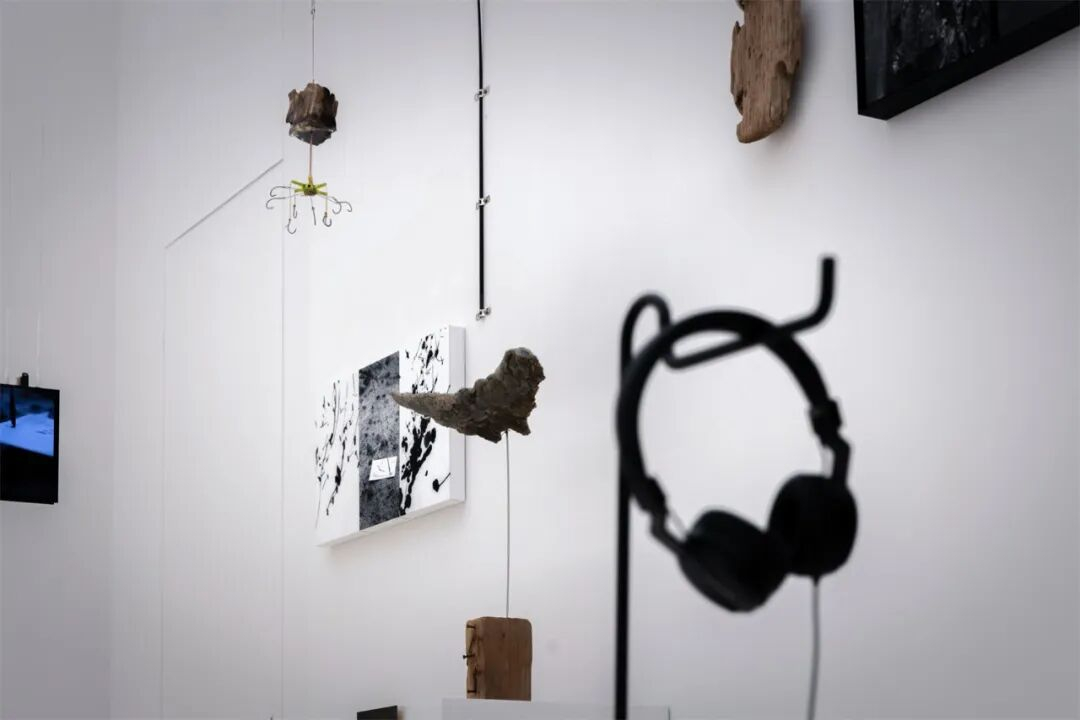
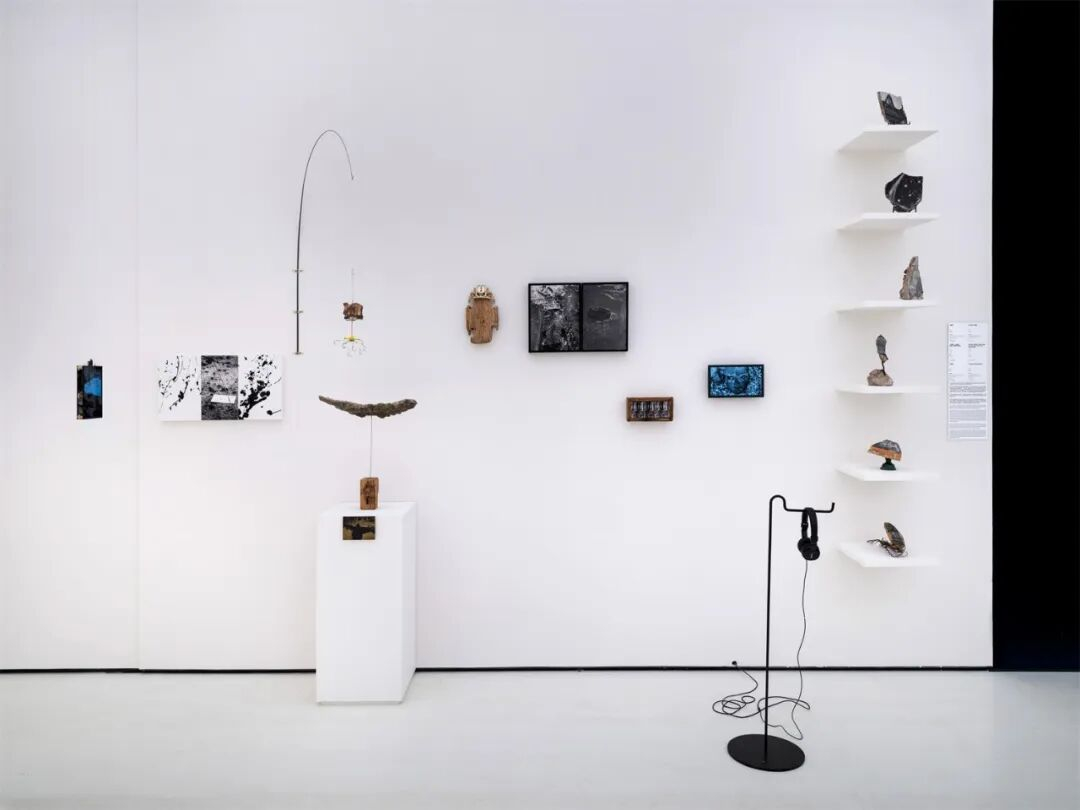
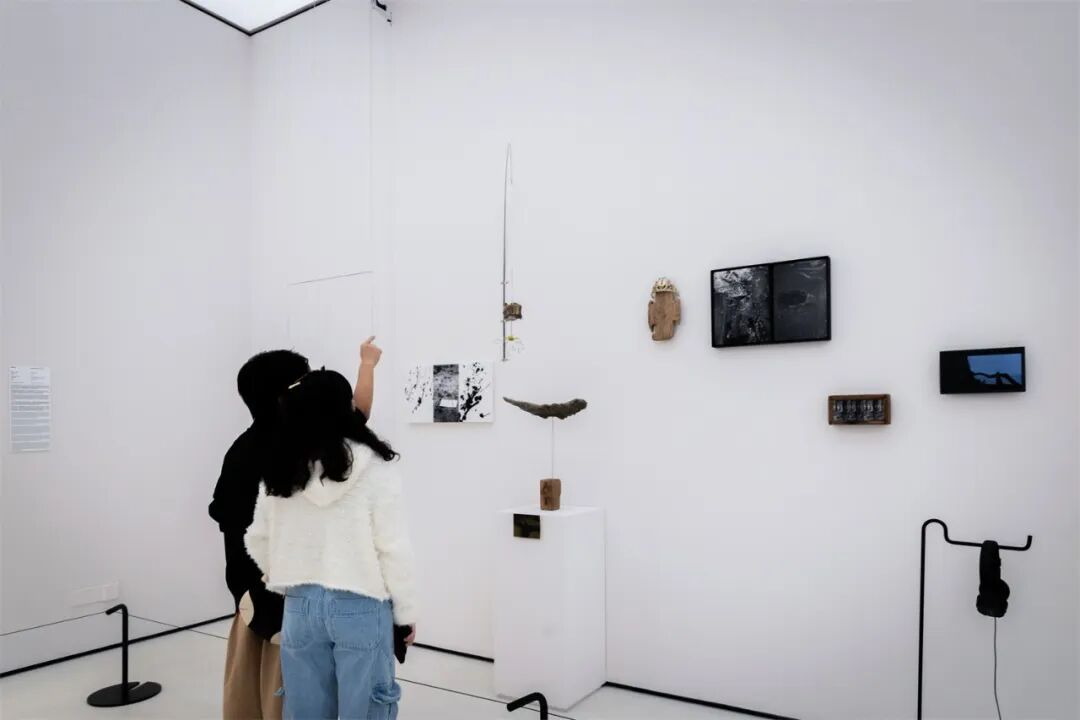
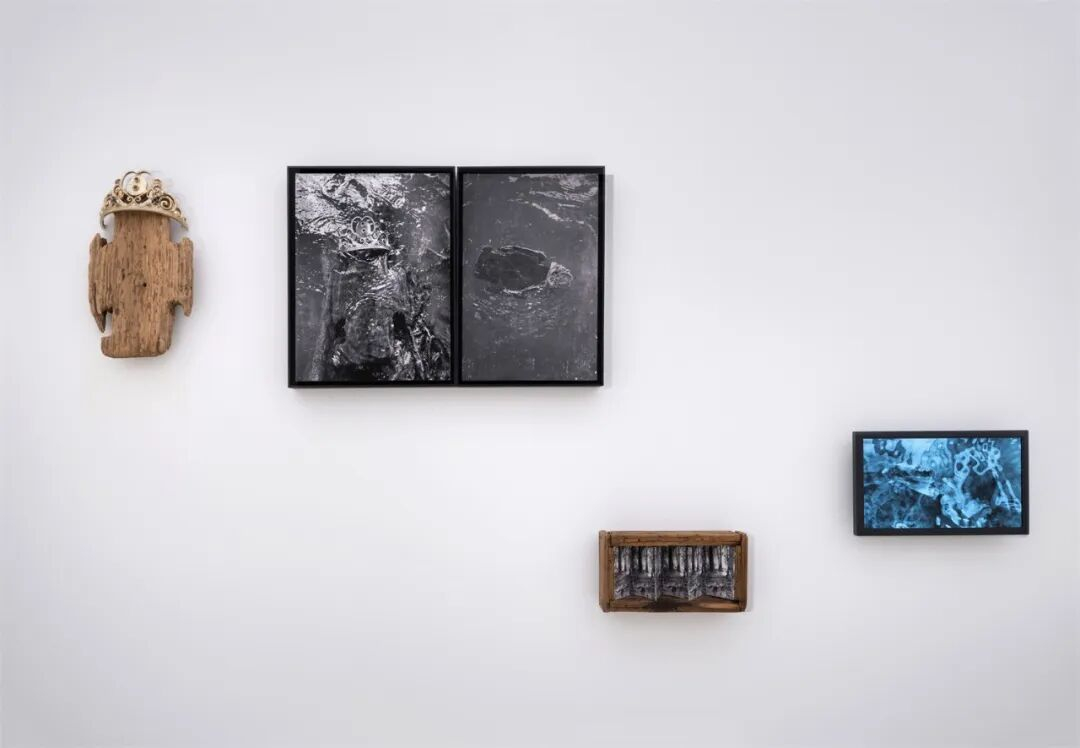
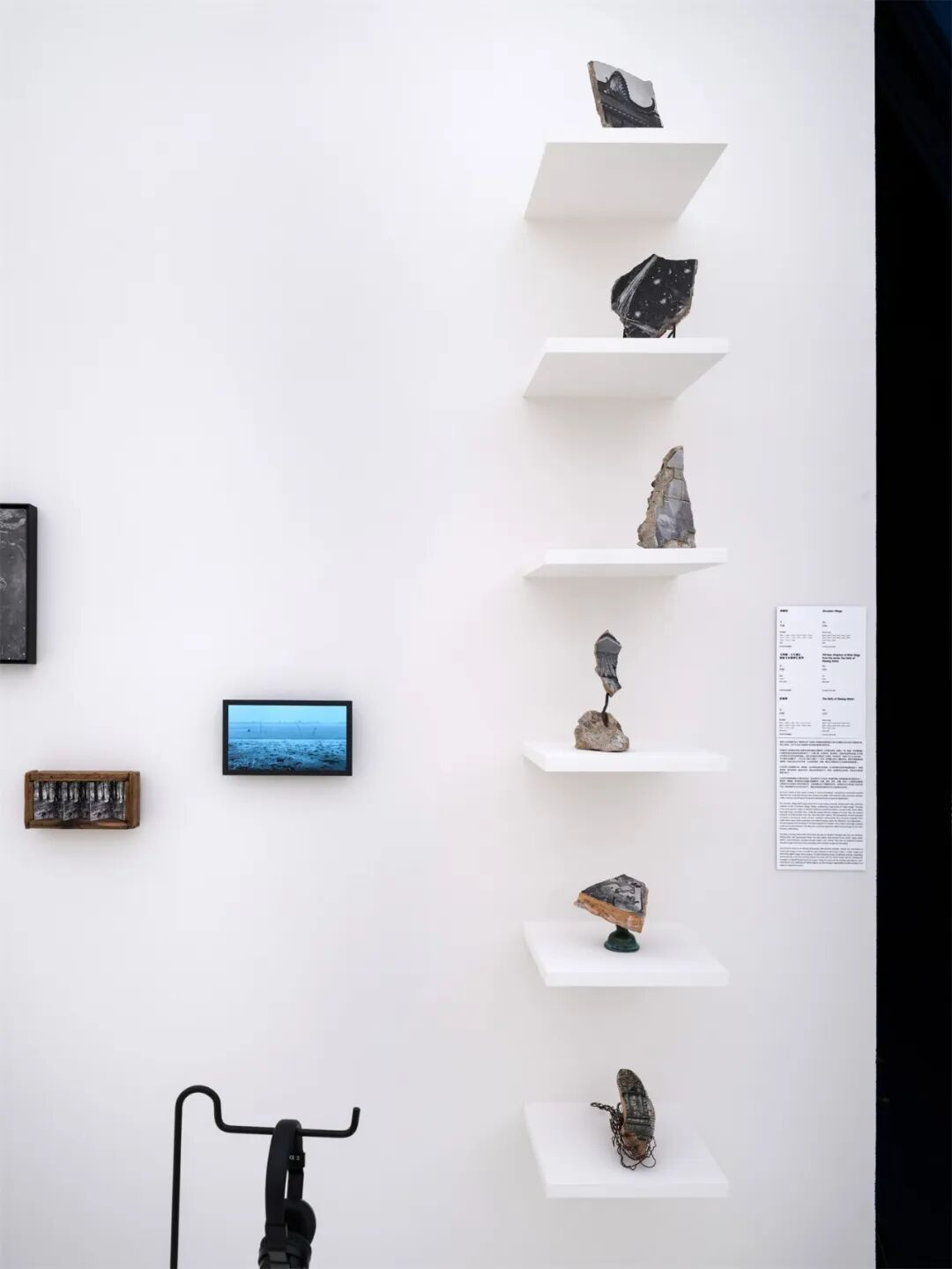
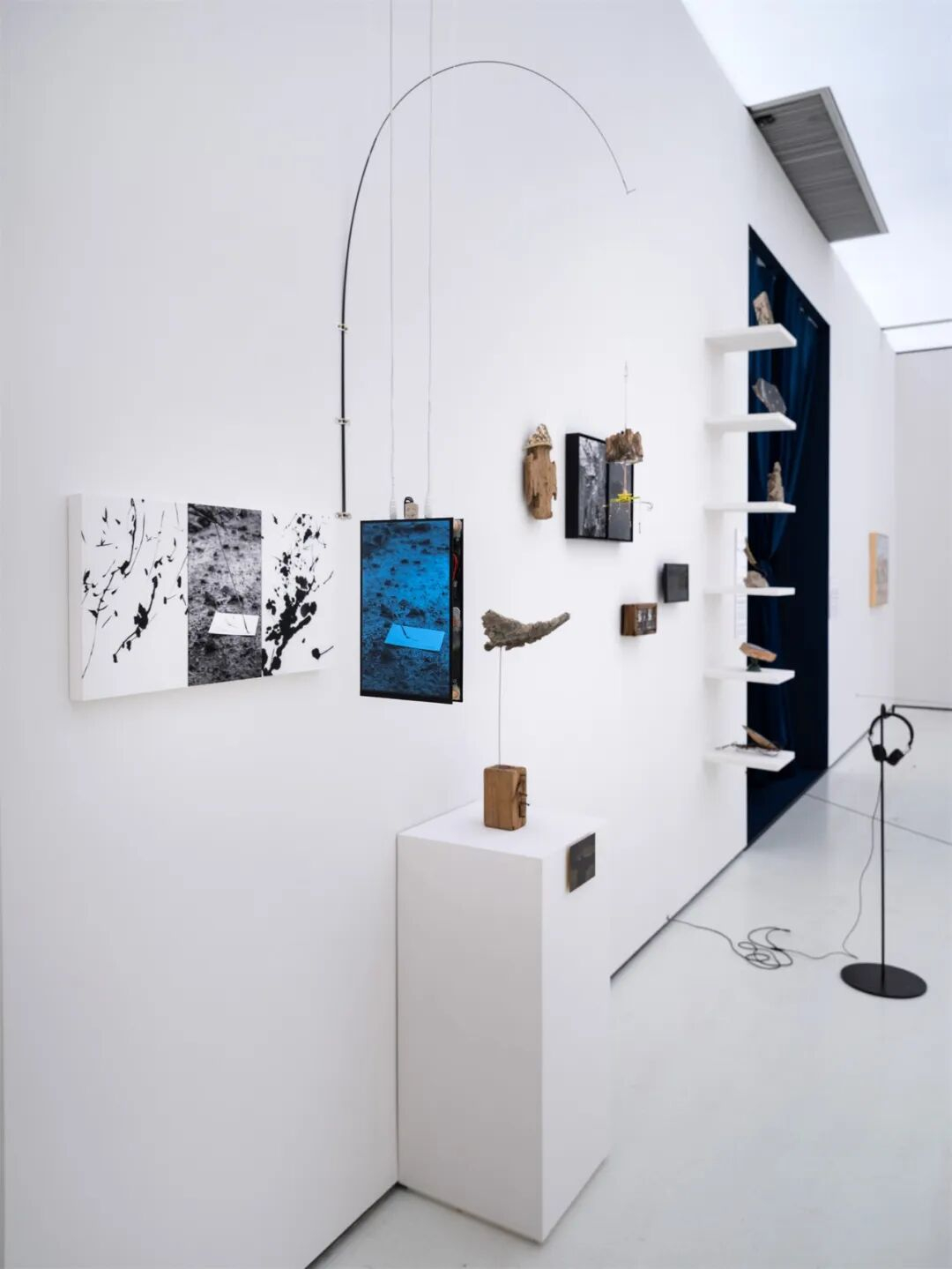
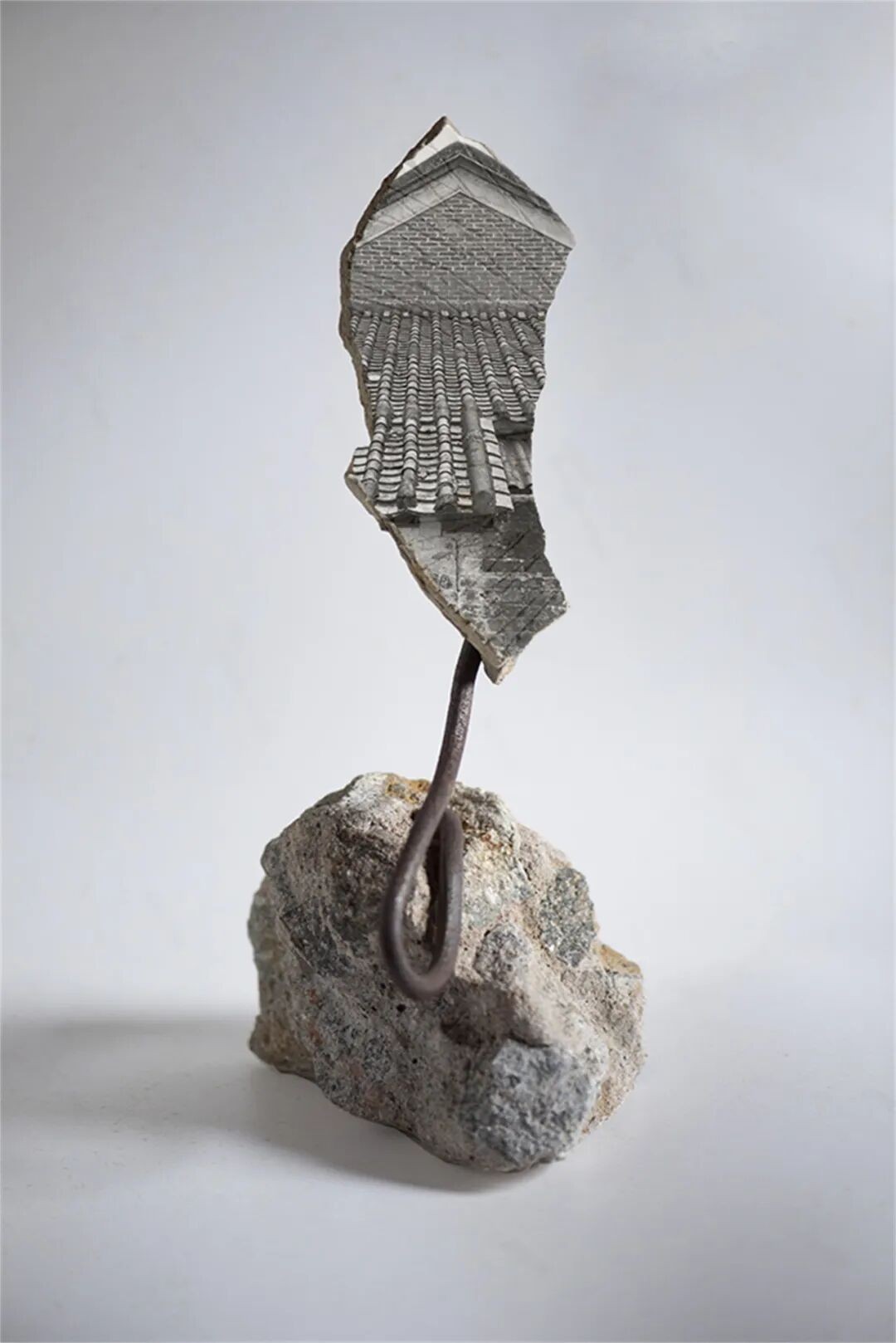
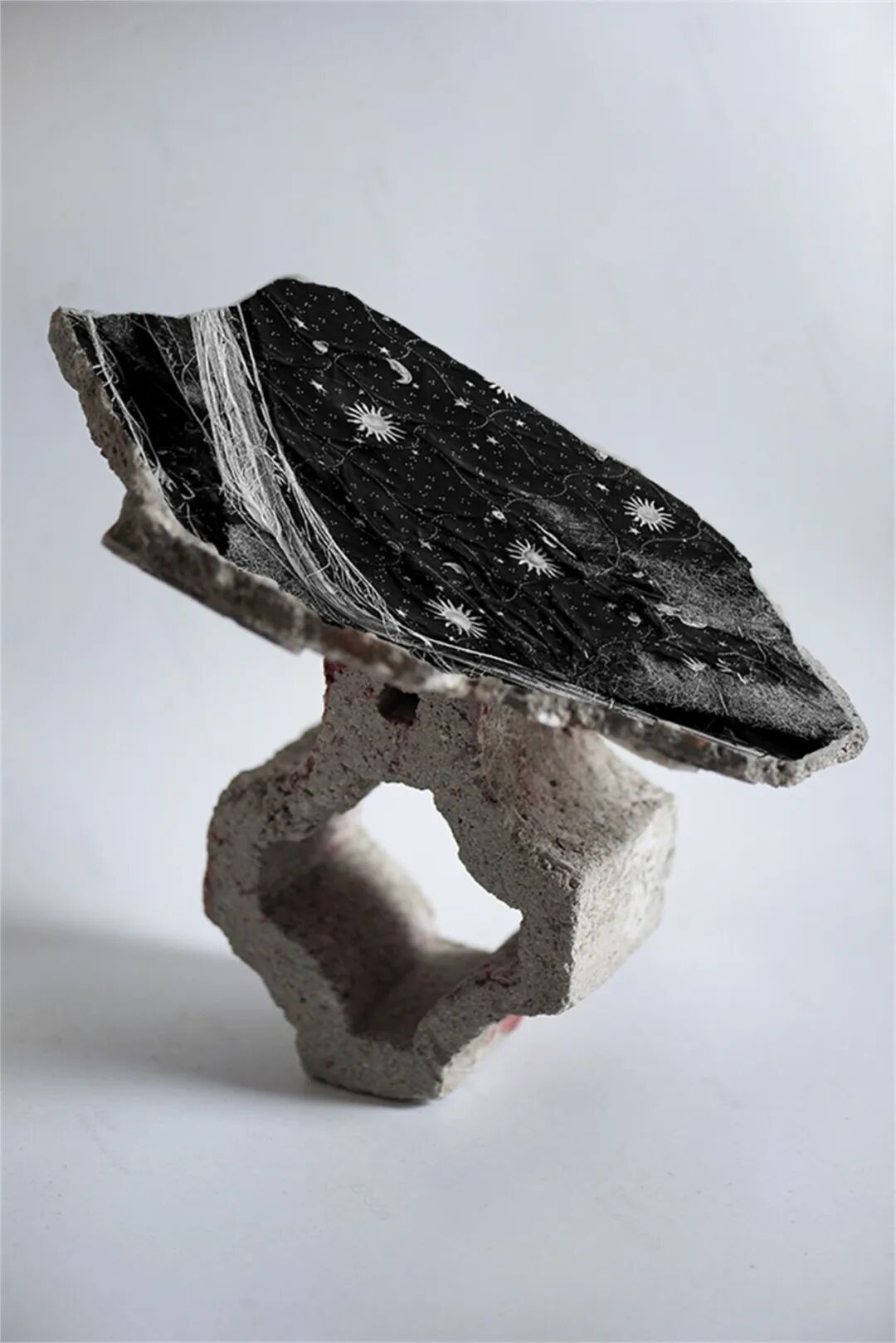
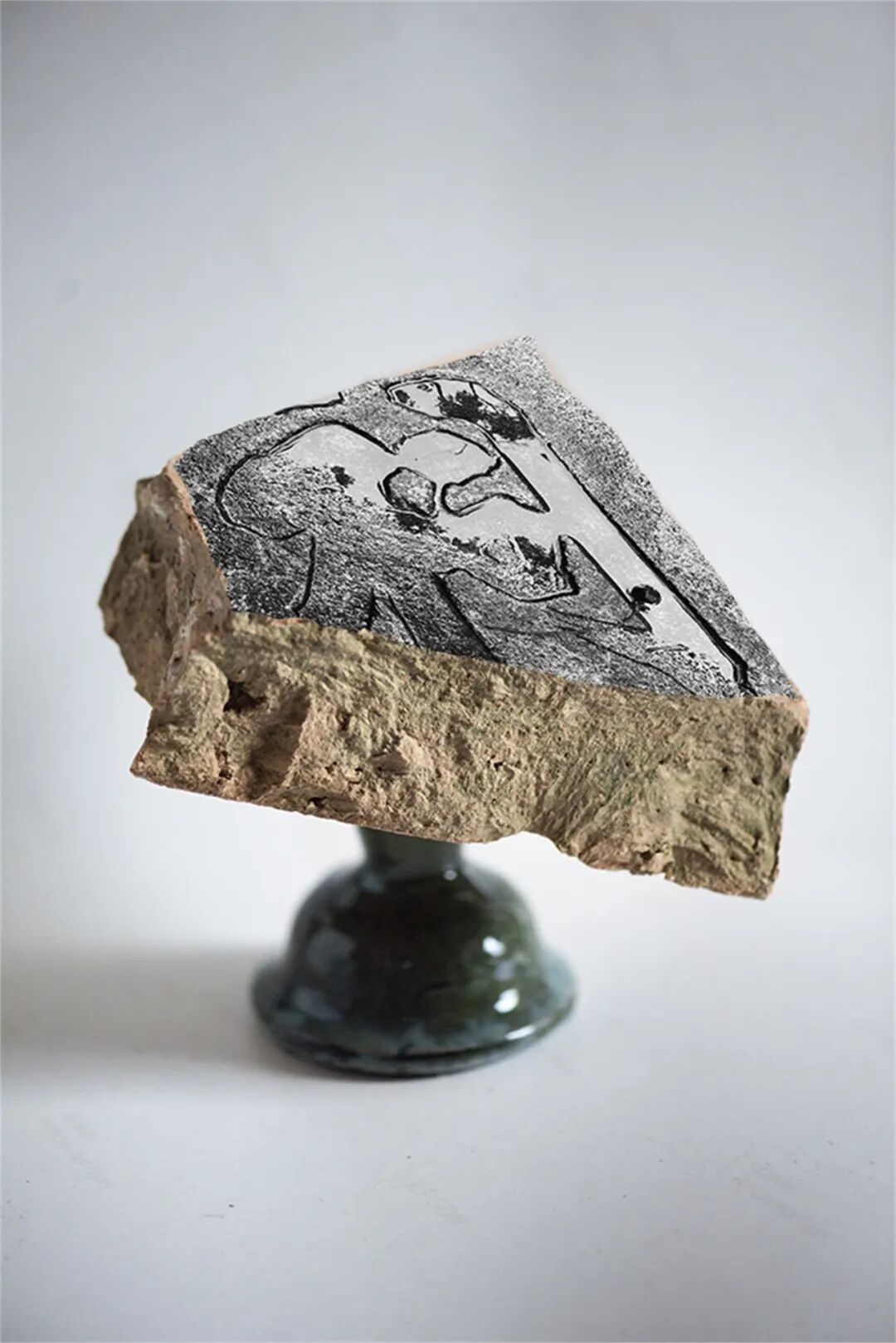
展览中丘的两组作品以“微观考古学”的姿态,将被遗弃的物质碎片转化为承载记忆与生命力的视觉文本,揭示出物质、记忆与生态之间被数字化进程所遮蔽的深层关联。
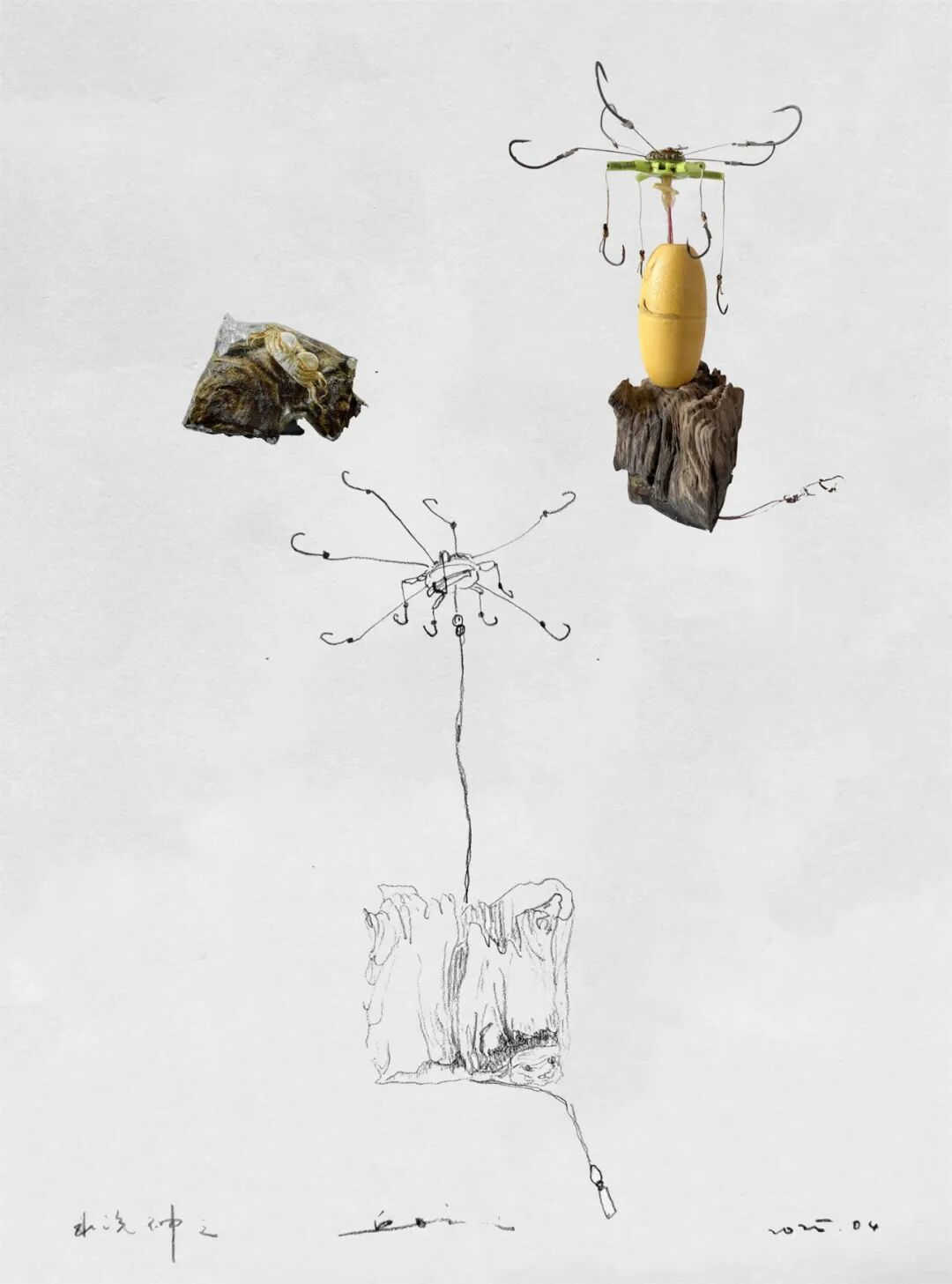
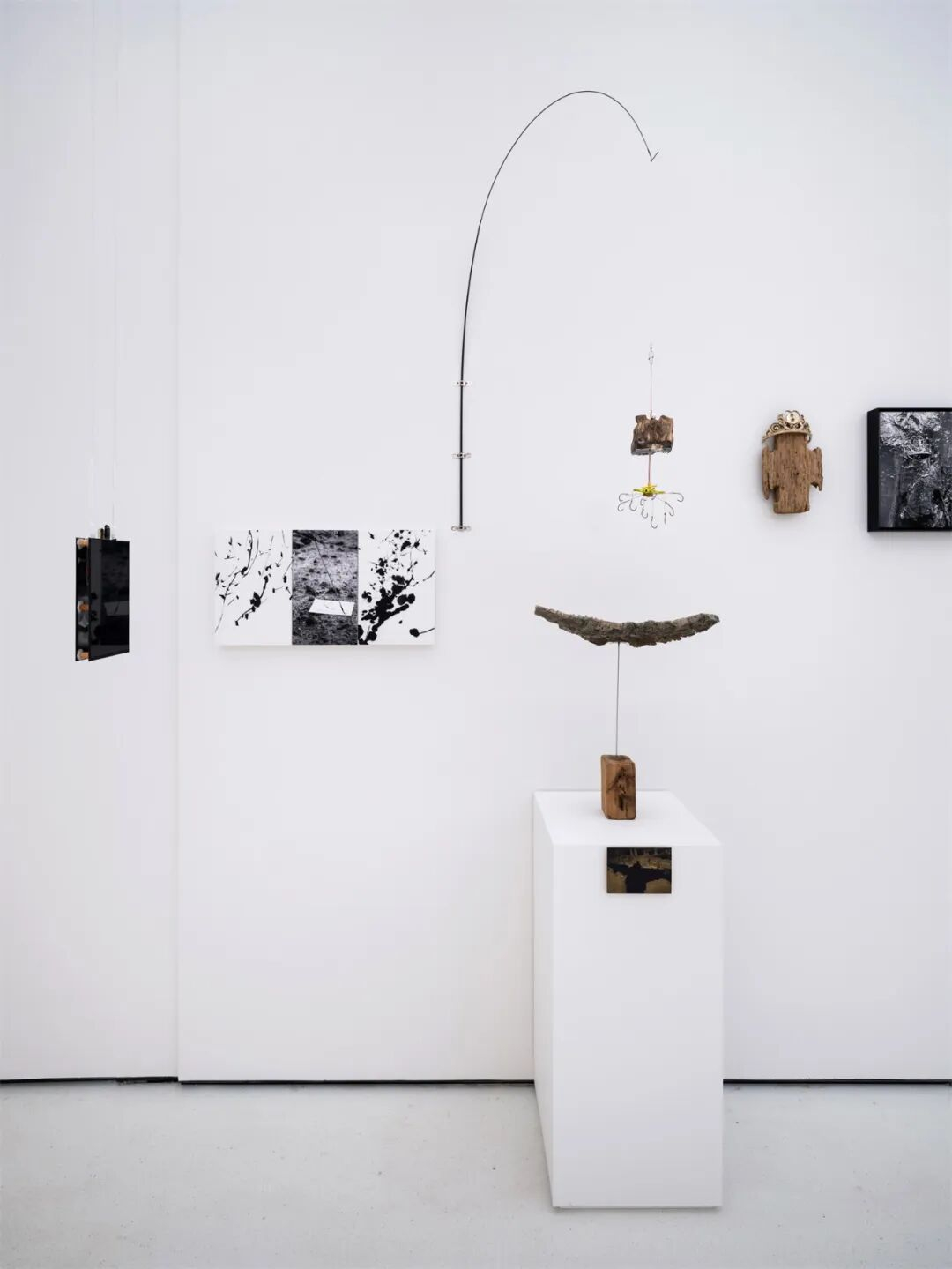
《水流神》系列聚焦江岸、漂流物、水杉林等边缘生态现场。艺术家收集河流带来的废弃物品——黄色塑料瓶、锈蚀的鱼钩、腐朽的木桩,通过手绘线条将它们“缝合”进想象的生态网络,呈现出朴素而柔韧的生命力。
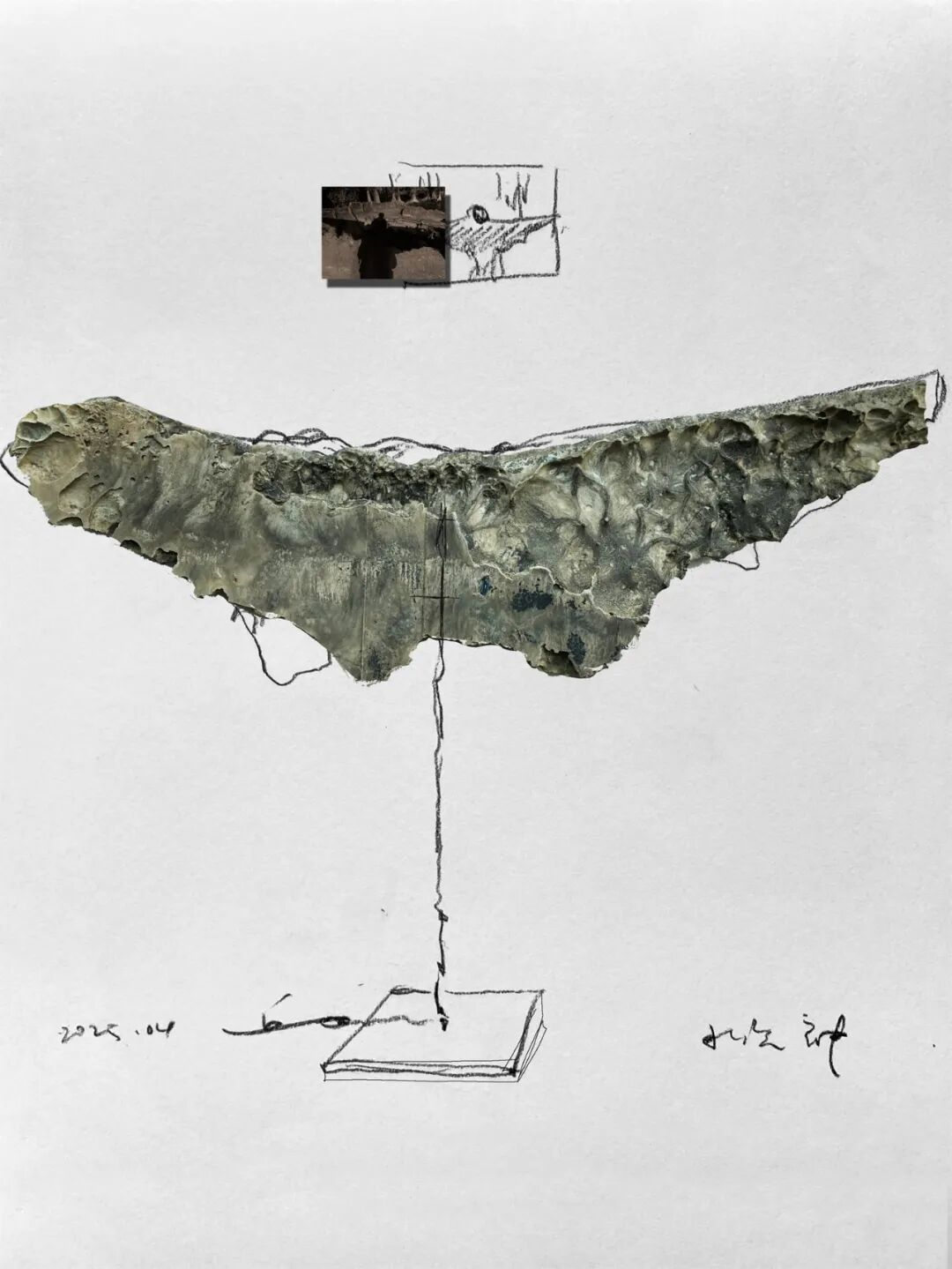
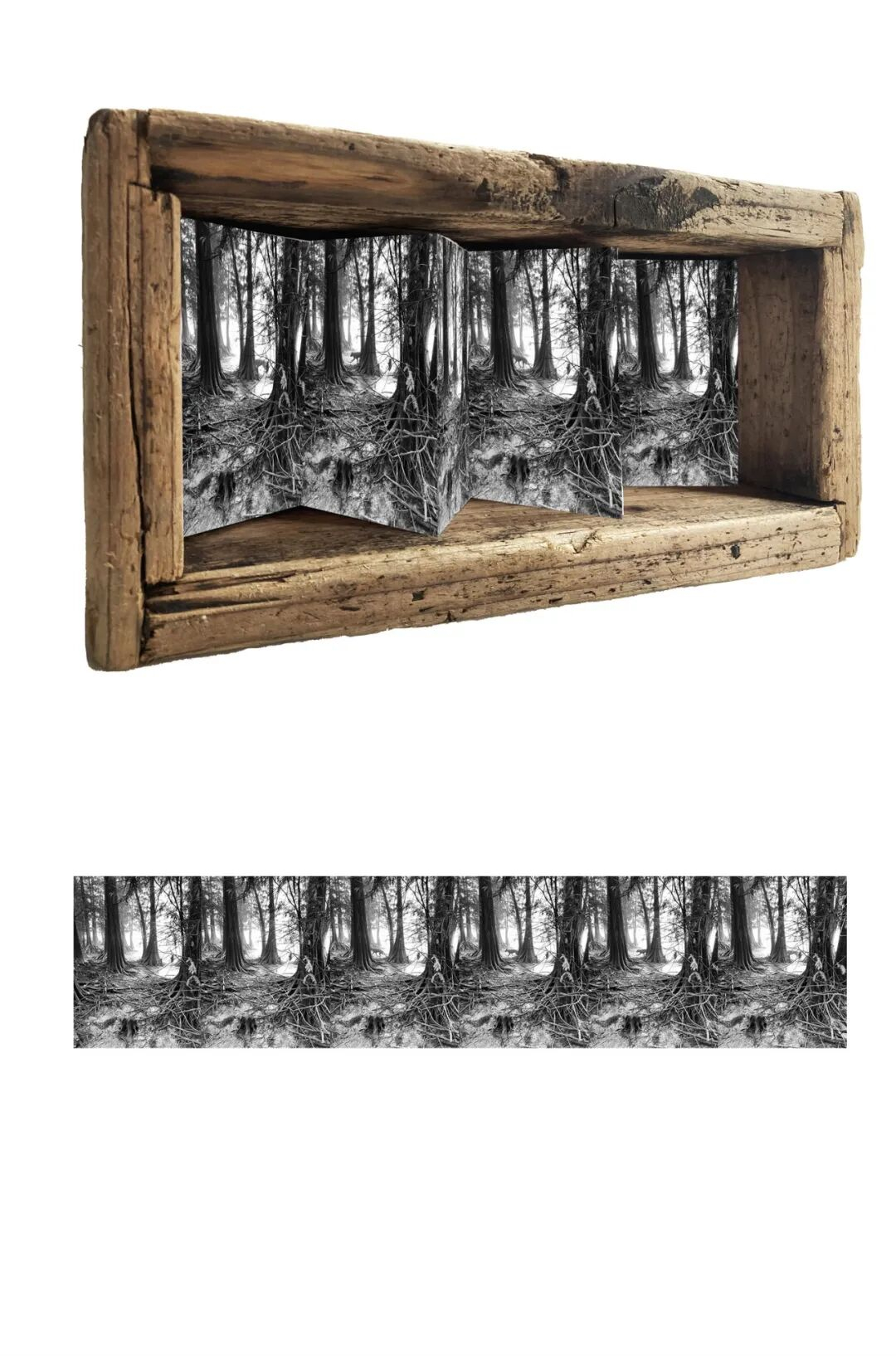
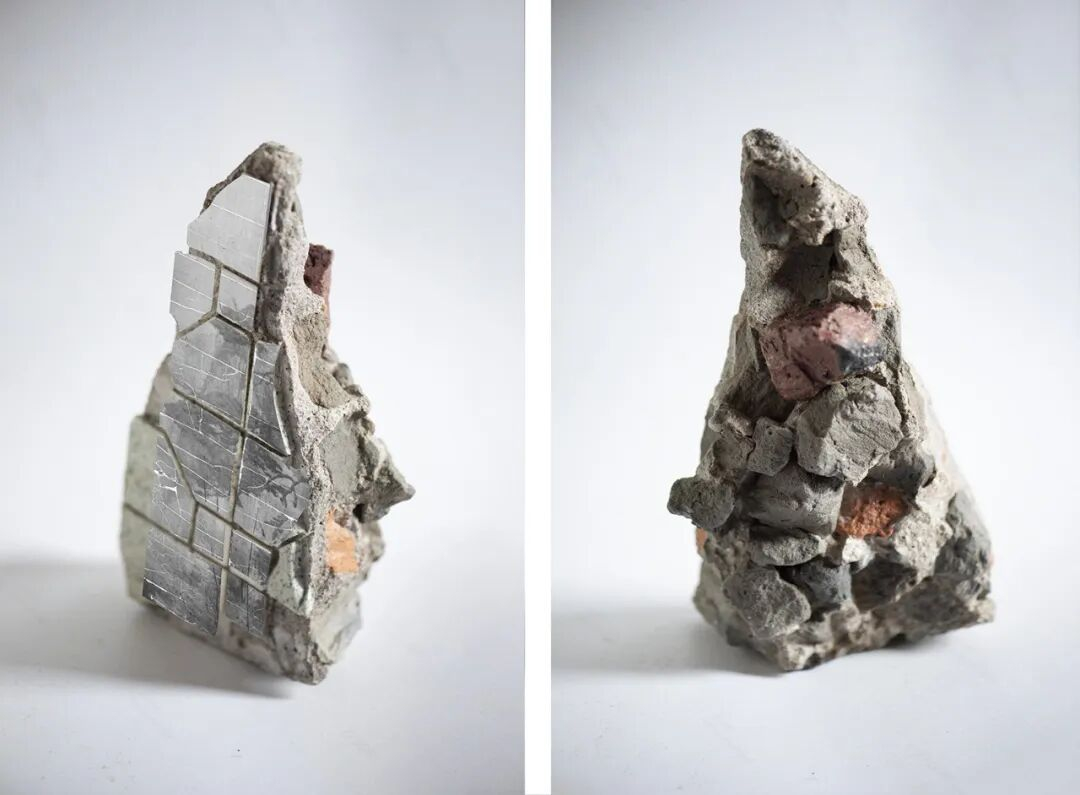
《洲表村》系列取材自佛山洲表村现场收集的木雕残件、石米墙与砖块,构建出“物-影像”的双重档案。正面影像呈现传统建筑的精致细节——木雕门楣、灰塑装饰、青砖黛瓦;背面的瓷砖拼贴则是20世纪中后期现代化改造的物质遗留。这种正反面的并置构成了压缩的“时间地层”:传统工艺与工业化材料、手工痕迹与批量生产、文化记忆与现代化扁平——在同一块混凝土碎片上叠压共存。物质不再是被动的承载物, 而是主动的历史书写者,以自身的磨损、断裂、叠加记录着被官方历史忽略的微观叙事。
丘的创作坚持将摄影与实物材料结合: 观众面对的不仅是关于废墟的影像,更是废墟物质的直接在场——触觉性、重量感、质地差异无法被数字图像替代。收集、清洗、组合、拍摄、手绘——这些劳动密集型过程使作品沉积着艺术家的身体记忆,抵抗着算法生产图像的即时性。这两组作品不是对前工业时代的怀旧,而是在数字化与全球化的当下,重新思考物质的能动性与艺术实践的生态责任。
QIU’s two bodies of work adopt a stance of "micro-archaeology," transforming abandoned material fragments into visual texts that bear both memory and vitality. They reveal the deep connections between matter, memory, and ecology that have been obscured by the processes of digitalization.
The Deity of Flowing Water (2022-2024) series focuses on marginal ecological sites such as riverbanks, drifting debris, and metasequoia forests. The artist collects waste brought by the current—yellow plastic bottles, rusted fishhooks, decaying wooden stakes—and "sutures" them into an imagined ecological network through hand-drawn lines, presenting a life force that is unadorned yet resilient.
The Zhoubiao Village (2024) series draws from wood carving remnants, pebble-dash walls, and bricks collected on-site in Zhoubiao Village, Foshan, constructing a dual archive of "object-image." The front of the work presents images of exquisite traditional architectural details—wooden lintels, stucco reliefs, blue-grey bricks, and black tiles—while the reverse features collages of ceramic tiles, the material remnants of modernization from the mid-to-late 20th century. This juxtaposition of front and back constitutes a compressed "stratum of time": traditional craftsmanship versus industrial materials, hand-made traces versus mass production, and cultural memory versus the "flattening" of modernization—all superimposed and coexisting on the same fragment of concrete. Here, matter is no longer a passive carrier but an active historian, recording micro-narratives ignored by official history through its own wear, fractures, and layering.
Qiu’s practice insists on combining photography with physical materials. Viewers are confronted not merely with images of ruins, but with the direct presence of the ruinous matter— tactility, weight, and texture that digital images cannot replace. The labor-intensive process of collecting, cleaning, assembling, photographing, and hand-painting imbues the works with the artist’s bodily memory, resisting the immediacy of algorithmically produced images. These two series are not nostalgic yearnings for a pre-industrial era, but a rethinking of material agency and the ecological responsibility of artistic practice in our digital and globalized present.
审定 / 涂晓庞
审校 / 曾睿洁
摄影 / 杜悦儿 曾雨林
视频 / 杜悦儿
资料提供 / 叶舜
编辑 / 刘丹妮
开放时间——每周二至周日9:00至17:00(16:30停止入场,16:45开始清场)
逢周一闭馆(法定节假日和特殊情况除外)。
广东美术馆新馆(白鹅潭):广东省广州市荔湾区白鹅潭南路19号
前台电话: (020) 88902999
广东美术馆本馆(二沙岛):广东省广州市越秀区二沙岛烟雨路38号
前台电话: (020) 87351468