


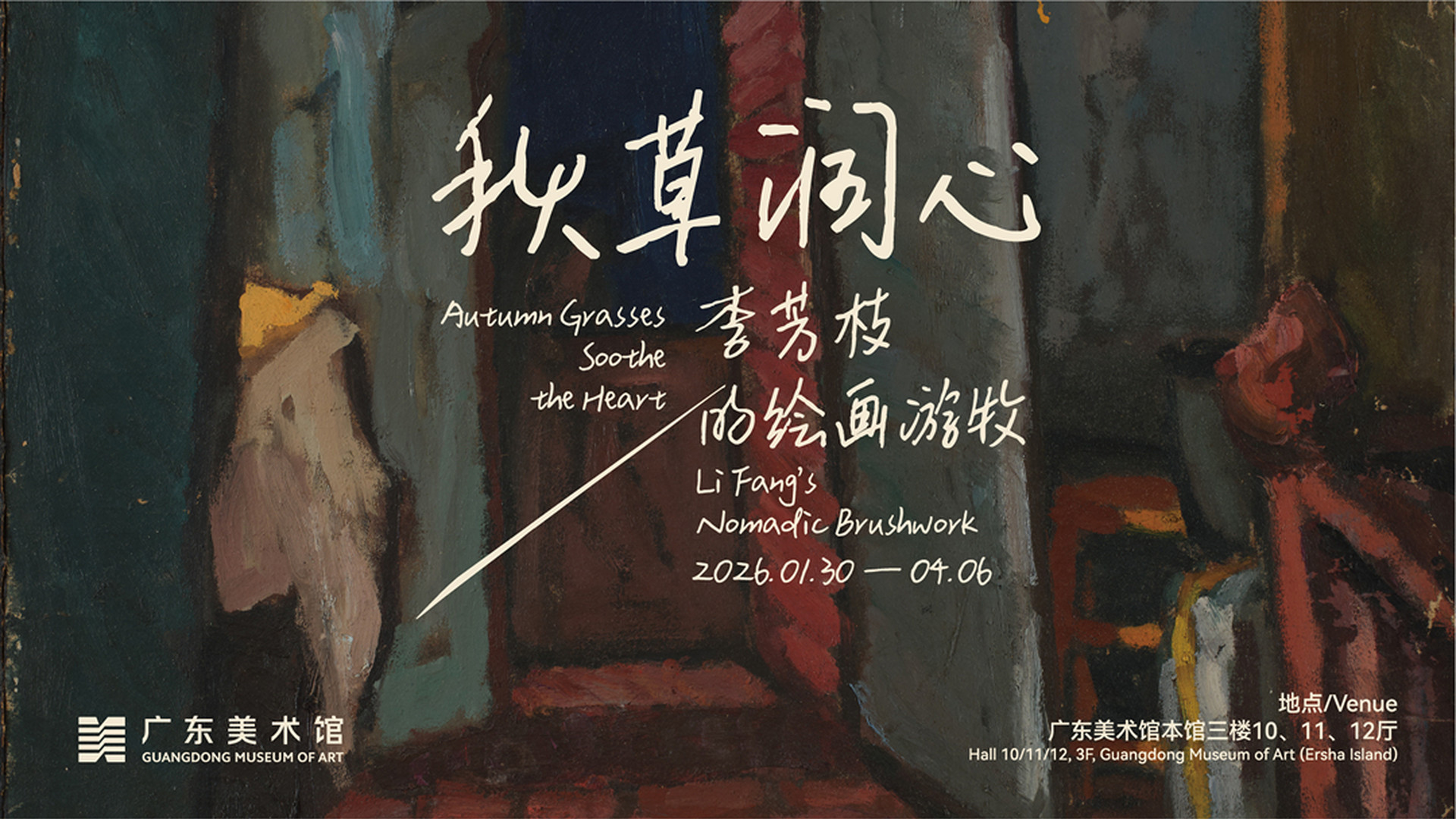
本馆 | 秋草润心——李芳枝的绘画游牧
广东美术馆本馆(二沙岛)三楼10、11、12号厅
2026-01-30——
2026-04-06

展 期:2026年1月30日至2026年4月6日
展 厅:广东美术馆本馆三楼10、11、12号厅
(地址:广东省广州市越秀区二沙岛烟雨路 38 号)
主办单位:广东美术馆
总 策 划:王绍强
学术主持:皮道坚
策 展 人:廖沙泥
Date:2026.1.30—2026.04.06
Venue:Hall 10/11/12, 3F, Guangdong Museum of Art(Er-sha Island)
Organnizer:Guangdong Museum of Art
Chief Curator:Wang Shaoqiang
Academic Host: Pi Daojian
Curator:Liao Shani
展览简介
Introduction
李芳枝作为二十世纪华人艺术史上一位值得重新发现的个案,其艺术生涯与“五月画会”的现代启蒙、巴黎抽象浪潮的洗礼以及瑞士时期的自然回归紧密相连。展览以“绘画游牧”为线索,通过三个主题单元:“继承与远行”“停驻与对话”“归返的诗学”,展出艺术家不同时期的油画、水彩、素描及文献资料近百件,全面展现她在跨文化语境下的艺术探索与美学再融合。
在从中国台北到巴黎到瑞士的生命轨迹中,李芳枝实现了重要的艺术转向,从激进的抽象实验转向对自然的深度观照。她将台北时期融合了东方绘画修养的探索与巴黎时期所锤炼的抽象内化为个人语言,创造出一种融合抽象构成与具象表现的“心象”风景,在阿尔卑斯山麓与图恩湖畔的长期写生中,完成了独特的跨文化美学建构。
“秋草润心”这一充满诗意的主题,源自艺术家1980年代的一幅小画,恰切地概括了李芳枝艺术的深层价值:不追求视觉奇观,而以温和持久的力量,在物象与心象、传统与现代、东方与西方之间建立诗意联结。
本次展览是广东美术馆“海外华人艺术家系列”的重要项目,旨在通过李芳枝沉静而深邃的艺术世界,为观众呈现一种在文化迁徙中保持艺术本体性、在时代潮流中坚守个人真实的珍贵景象。
Li Fang stands as a compelling case for rediscovery in the 20th-century Chinese art history. Her artistic career is closely intertwined with the modernist enlightenment of the "Fifth Moon Group" the transformative influence of the Parisian abstraction, and the return to nature during her years in Switzerland. With "Painterly Nomad" as the clue, the exhibition consists of three thematic sections: "Inheritance and Wandering", "Stillness and Dialogue", and "The Poetics of Return". Nearly a hundred oil paintings, watercolors, sketches, and archival documents from different periods of Li's career are on display, providing a comprehensive overview of her artistic exploration and aesthetic integration within cross-cultural contexts.
Along the life journey from Taipei ,China to Paris and then to Switzerland, Li Fang underwent significant artistic transformations, shifting from radical abstract experiments to a deepened contemplation of nature. She integrated her Eastern painting training from the Taipei period with the abstract techniques honed in Paris, forming her personal style. Li created an "inner-image" landscape that harmonizes abstract composition with figurative expression. Through prolonged sketching at the foot of the Alps and by the shores of Lake Thun, she achieved a unique cross-cultural aesthetic synthesis.
The poetic theme "Autumn Grass Nourishes the Heart," derives from a small painting created by the artist in the 1980s, aptly encapsulating the profound value of Li's art: rather than pursuing visual spectacles, it establishes poetic connections between the material and the psychic, tradition and modernity, and East and West with a gentle yet enduring strength.
This exhibition is an important project in the "Overseas Chinese Artists Series" hosted by the Guangdong Museum of Art. This exhibition seeks to present to the audience, through Li Fang's serene and profound artistic world, a precious vision of how she maintained artistic ontology amid cultural migration and upheld personal authenticity amid currents of the times.
部分展出作品
Selected Works
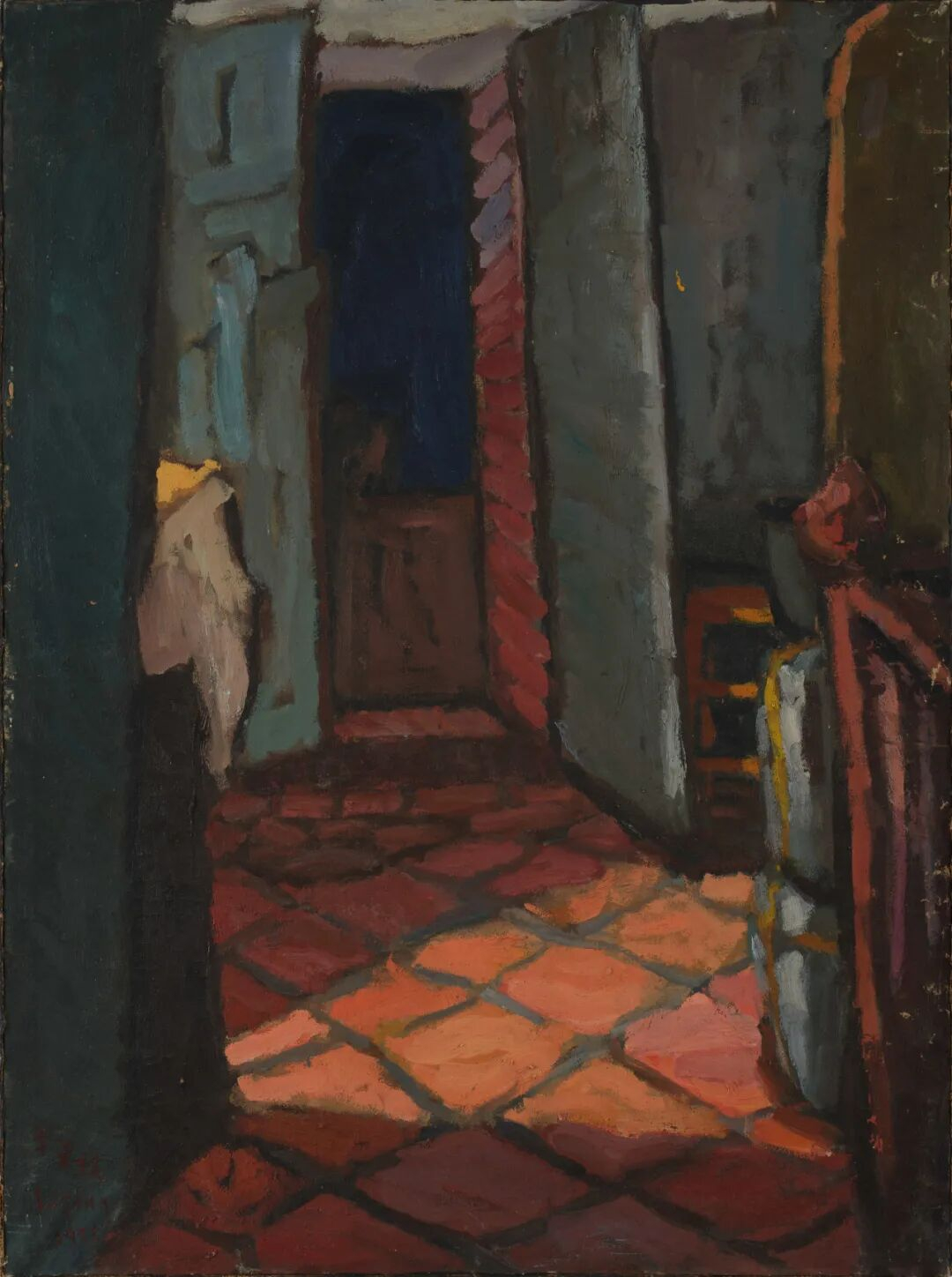
台北室内 House Interior Taipei
布面油画 Oil on canvas
78 cm × 58 cm
1958年
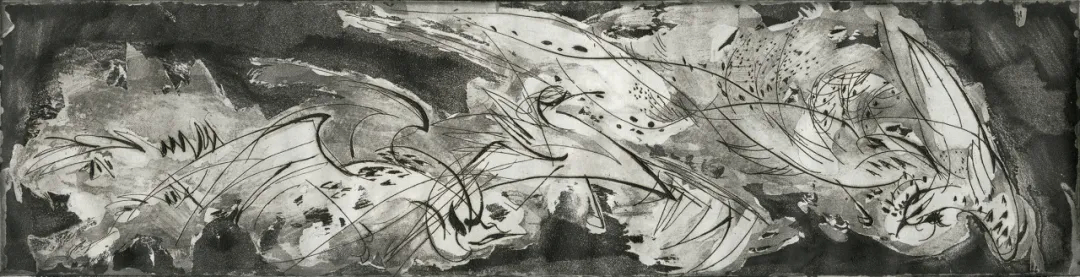
凤凰 Phoenix
单刷版画 Monotype
10 cm × 39 cm
1962年
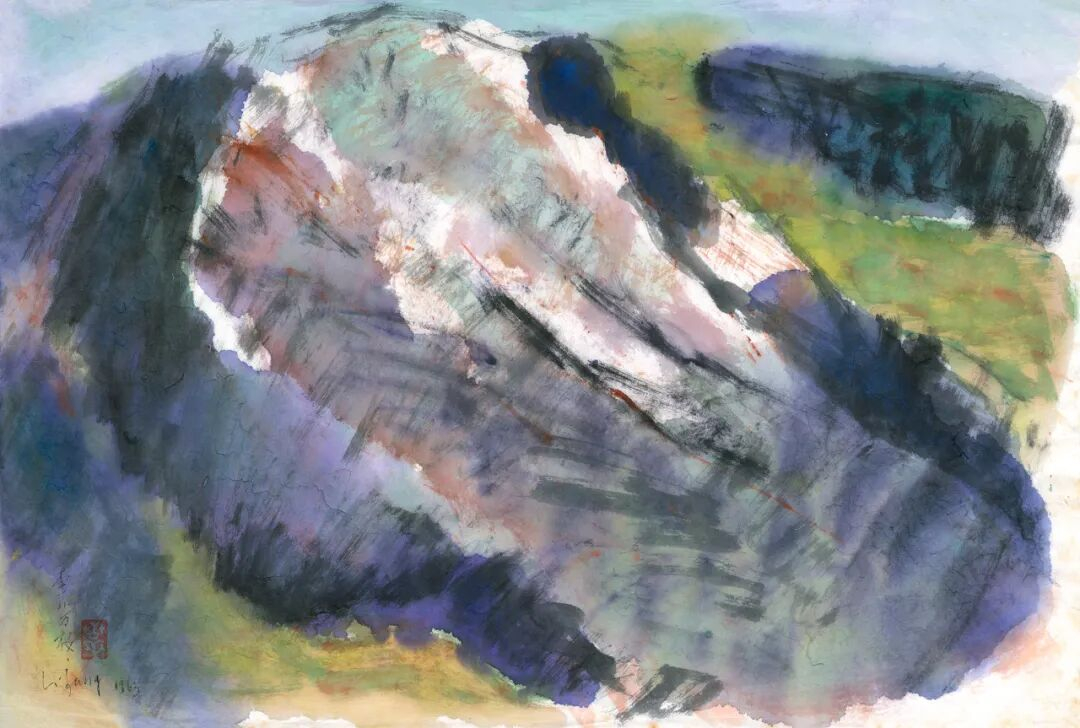
青色抽象 Violet Abstract
纸本彩墨 Color and ink on paper
32 cm × 47 cm
1963年
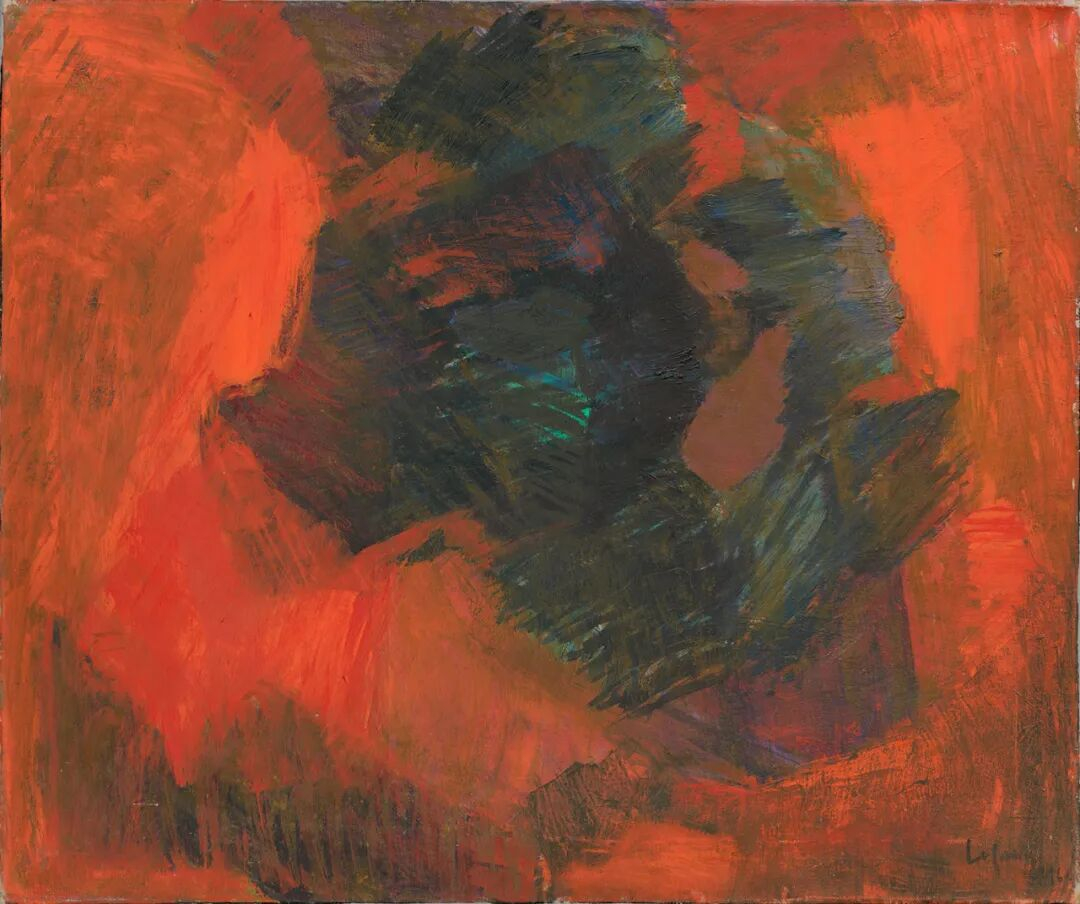
月光花 Moonflower
布面油画 Oil on canvas
46 cm × 55 cm
1965年

无题 Untitled
布面油画 Oil on canvas
39 cm × 39 cm
1968年
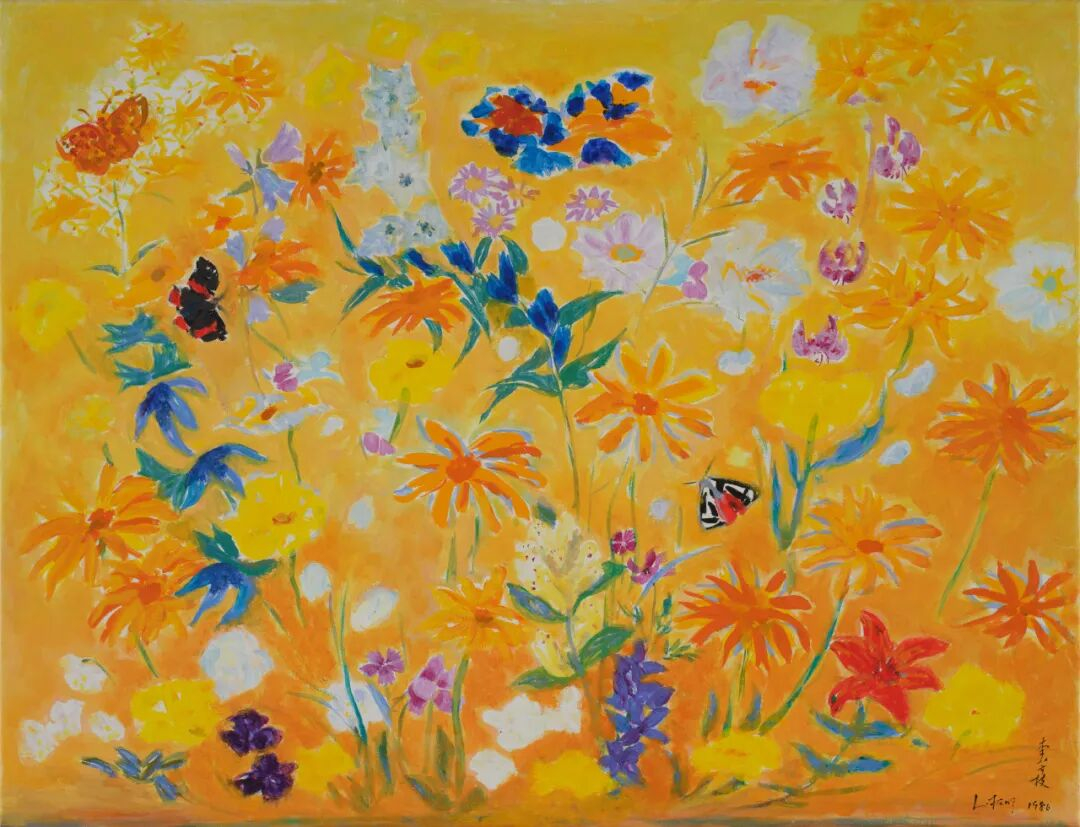
蝶恋花 Arnica Montana
布面油画 Oil on canvas
75 cm × 57 cm
1986年
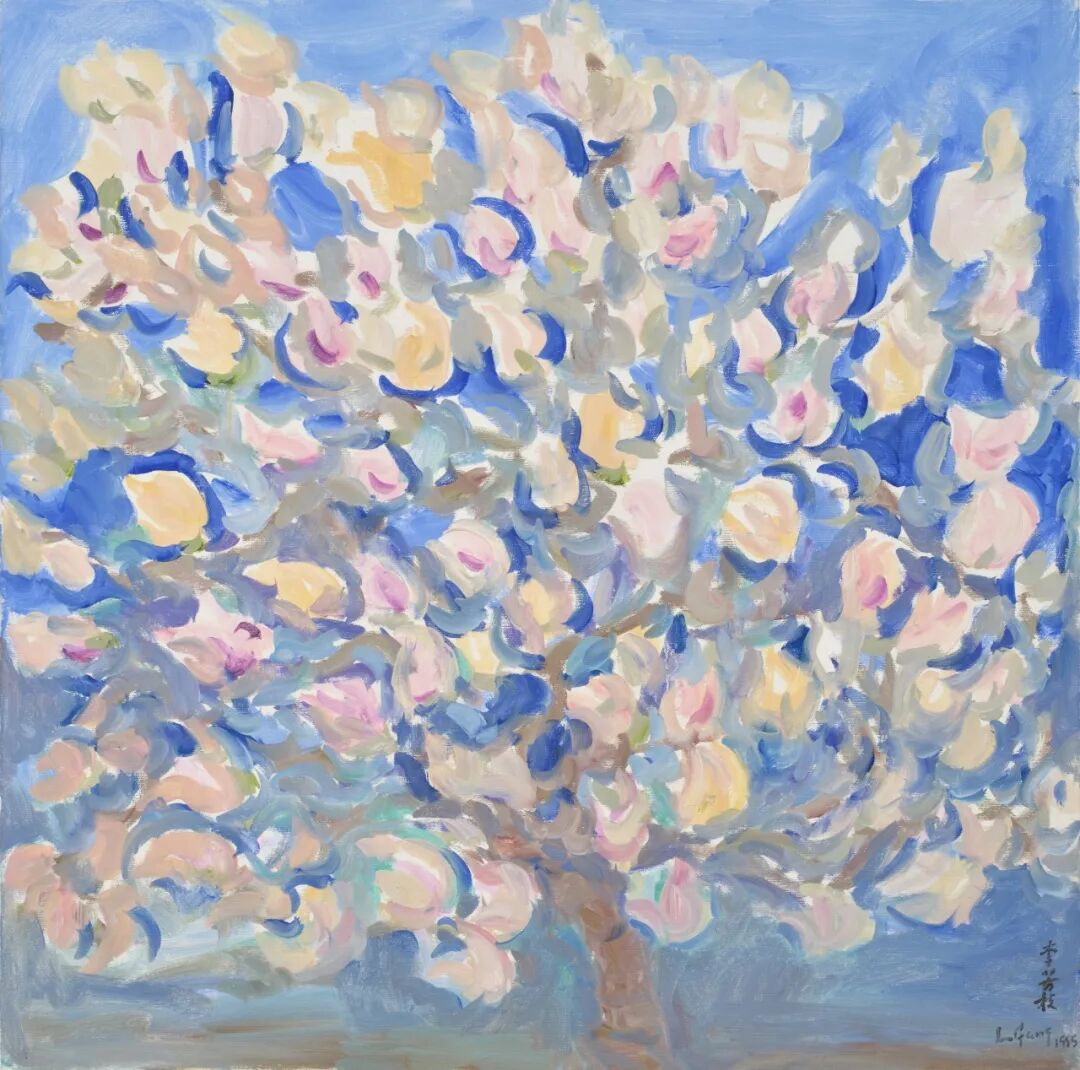
玉兰 Magnoliar
布面油画 Oil on canvas
80 cm × 80 cm
1995年
关于艺术家
About Artist
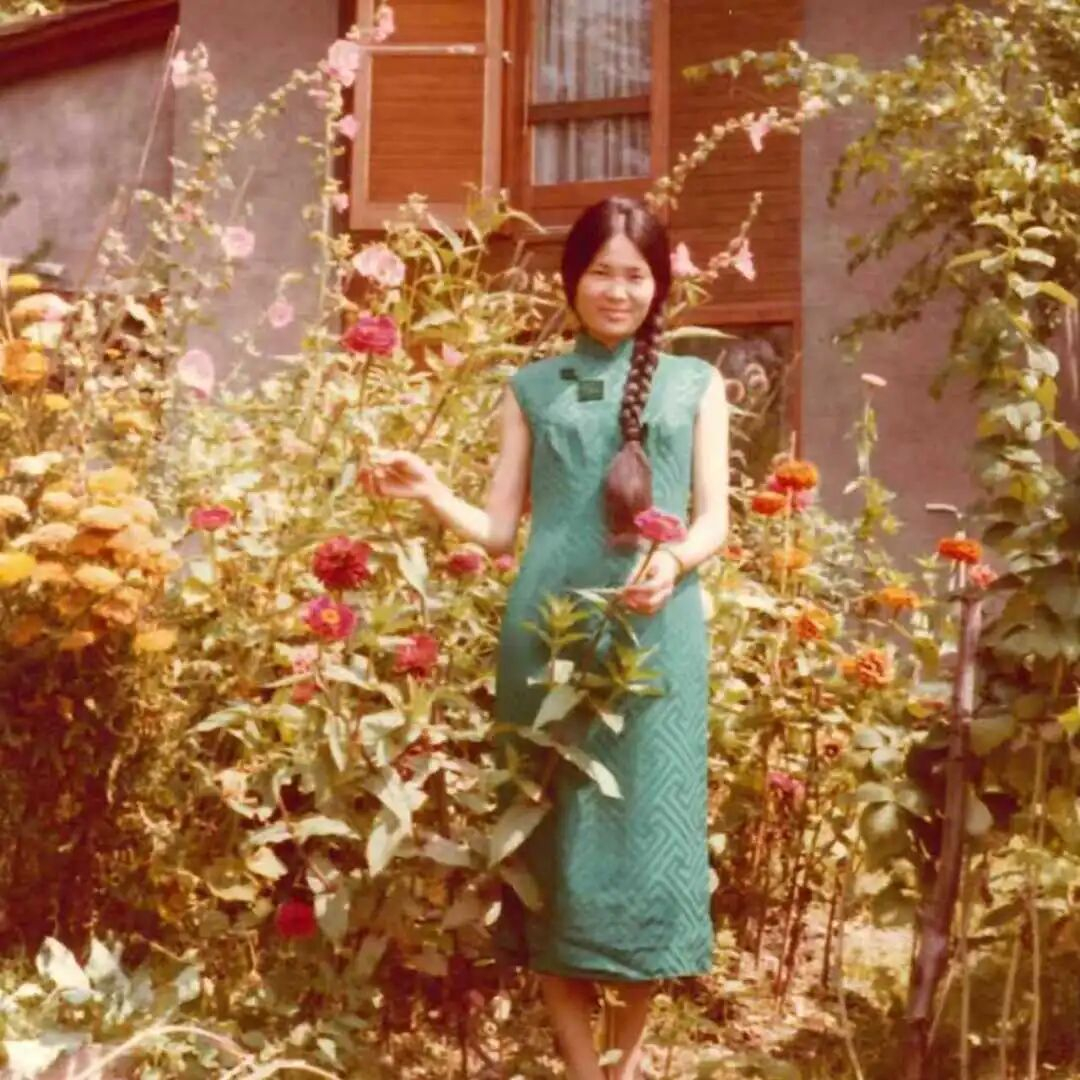 李芳枝
李芳枝Li Fang
李芳枝(1933-2020),生于中国台北万华,1955年毕业于台湾师范大学艺术系,为“五月画会”早期重要成员。1959年获法国政府奖学金赴巴黎美院深造,师从让·苏维比,创作转向抽象表现。1962年移居瑞士并与瑞士艺术家汉斯·布朗结婚,自此活跃于欧洲艺坛。她的创作历经三次转变:早期参与中国台湾现代主义运动,留法时期投身抽象绘画;定居瑞士后转向自然写生。其作品融东方笔墨于西方自然景观,寄诗词与象征符号于现实场景,形成了不同时期明艳生动、静谧深邃的个人风格。李芳枝以低调而持续的创作,在跨文化语境中构建出一套融合东西方美学的视觉语言,成为二十世纪华人女性艺术家中独特而完整的实践者。
Li Fang (1933-2020) was born in Wanhua, Taipei, Taiwan, China. She graduated from the Department of Fine Arts, Taiwan Normal University in 1955 and was an important early member of the "Fifth Moon Group." In 1959, she was awarded a scholarship from the French government to pursue advanced studies at the Beaux-Arts de Paris. Under the tutelage of Jean Souverbie, her artistic style shifted towards abstract expressionism. In 1962, she relocated to Switzerland and married Swiss artist Hans Brun, subsequently establishing her career within the European art scene.Her artistic journey is defined by three major evolutions: her early involvement in the Modernist Movement in Taiwan, China, a profound shift into abstract painting during her years in France, and, after settling in Switzerland, a turn to plein air painting. Her mature works masterfully integrated Eastern ink-brush techniques with depictions of Western landscapes, and incorporated poems and symbolic elements into real-life scenes. Li formed a personal style that evolved across periods, ranging from vivid and bright to serene and profound.Through a lifetime of low-key yet persistent dedication to her art, Li Fang developed a unique visual language in a cross-cultural context. Her practice stands as a singular and coherent body of work among twentieth-century Chinese women artists, successfully forging a synthesis of Eastern and Western aesthetics.
Li Fang (1933-2020) was born in Wanhua, Taipei, Taiwan, China. She graduated from the Department of Fine Arts, Taiwan Normal University in 1955 and was an important early member of the "Fifth Moon Group." In 1959, she was awarded a scholarship from the French government to pursue advanced studies at the Beaux-Arts de Paris. Under the tutelage of Jean Souverbie, her artistic style shifted towards abstract expressionism. In 1962, she relocated to Switzerland and married Swiss artist Hans Brun, subsequently establishing her career within the European art scene.Her artistic journey is defined by three major evolutions: her early involvement in the Modernist Movement in Taiwan, China, a profound shift into abstract painting during her years in France, and, after settling in Switzerland, a turn to plein air painting. Her mature works masterfully integrated Eastern ink-brush techniques with depictions of Western landscapes, and incorporated poems and symbolic elements into real-life scenes. Li formed a personal style that evolved across periods, ranging from vivid and bright to serene and profound.Through a lifetime of low-key yet persistent dedication to her art, Li Fang developed a unique visual language in a cross-cultural context. Her practice stands as a singular and coherent body of work among twentieth-century Chinese women artists, successfully forging a synthesis of Eastern and Western aesthetics.
审定 / 涂晓庞
审校 / 曾睿洁
资料提供 / 朱颖
编辑 / 余舒雅
开放时间——每周二至周日9:00至17:00(16:30停止入场,16:45开始清场)
逢周一闭馆(法定节假日和特殊情况除外)。
广东美术馆新馆(白鹅潭):广东省广州市荔湾区白鹅潭南路19号
前台电话: (020) 88902999
广东美术馆本馆(二沙岛):广东省广州市越秀区二沙岛烟雨路38号
前台电话: (020) 87351468