

Han Jiaying's Design Dictionary A-Z II
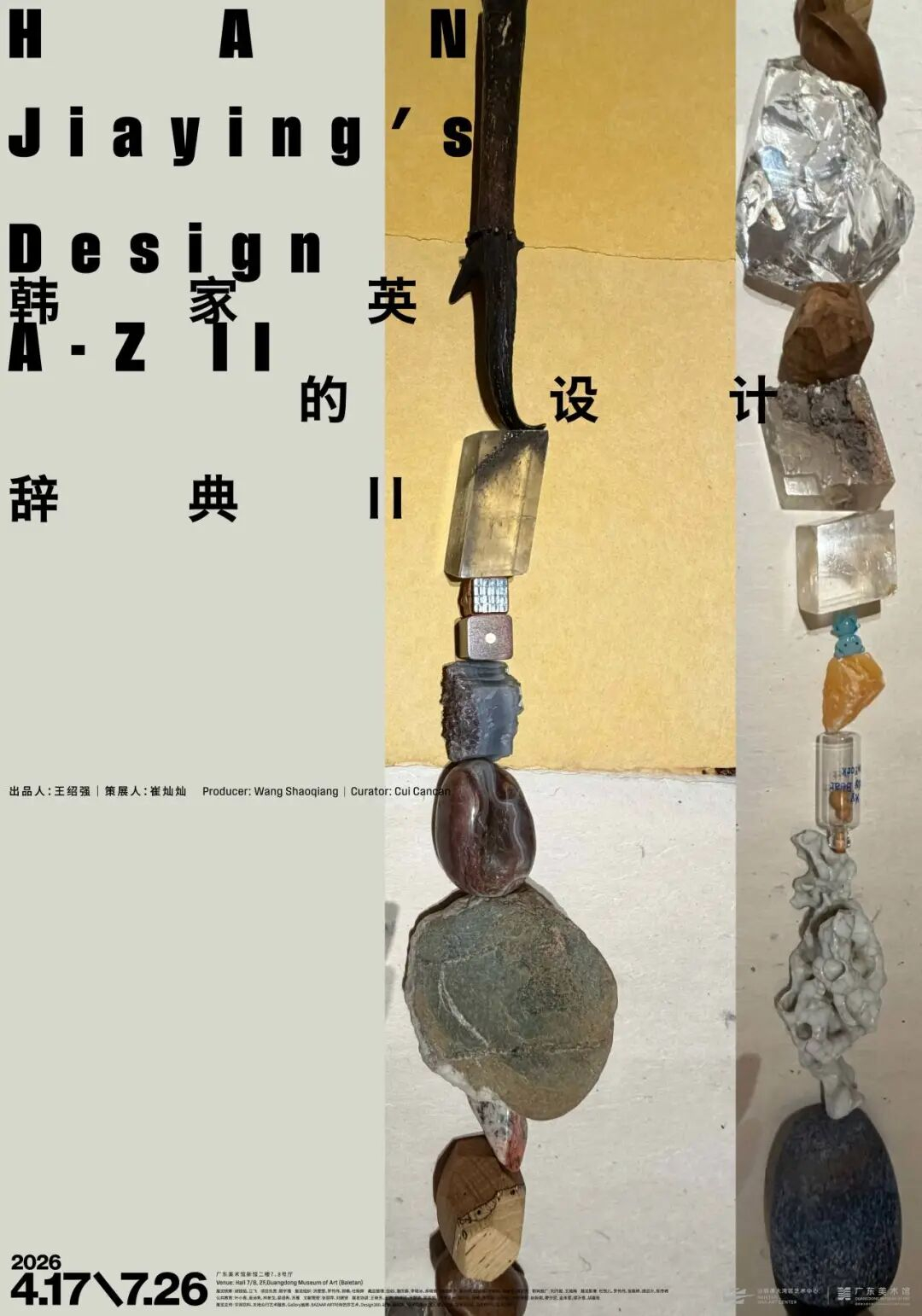
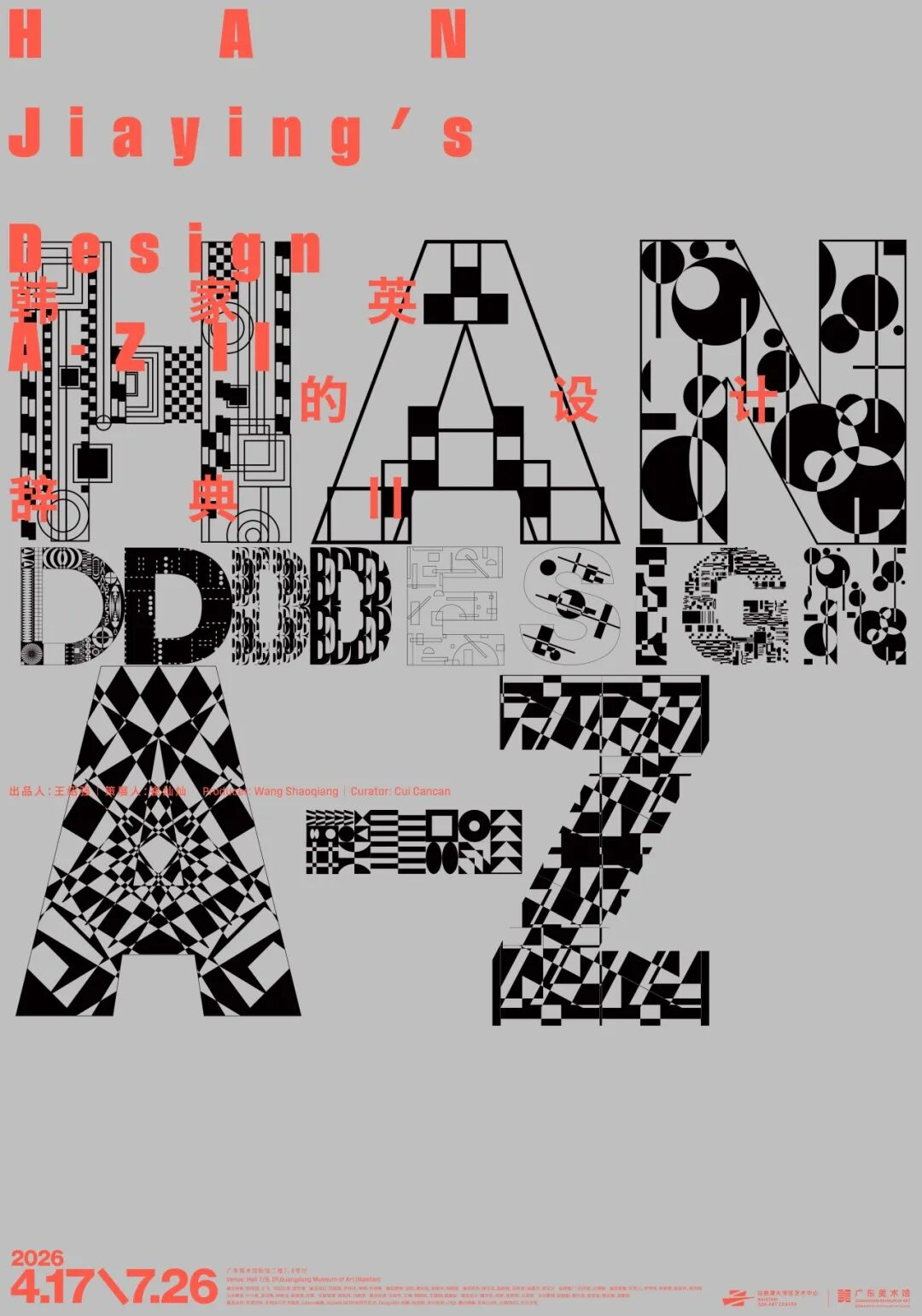
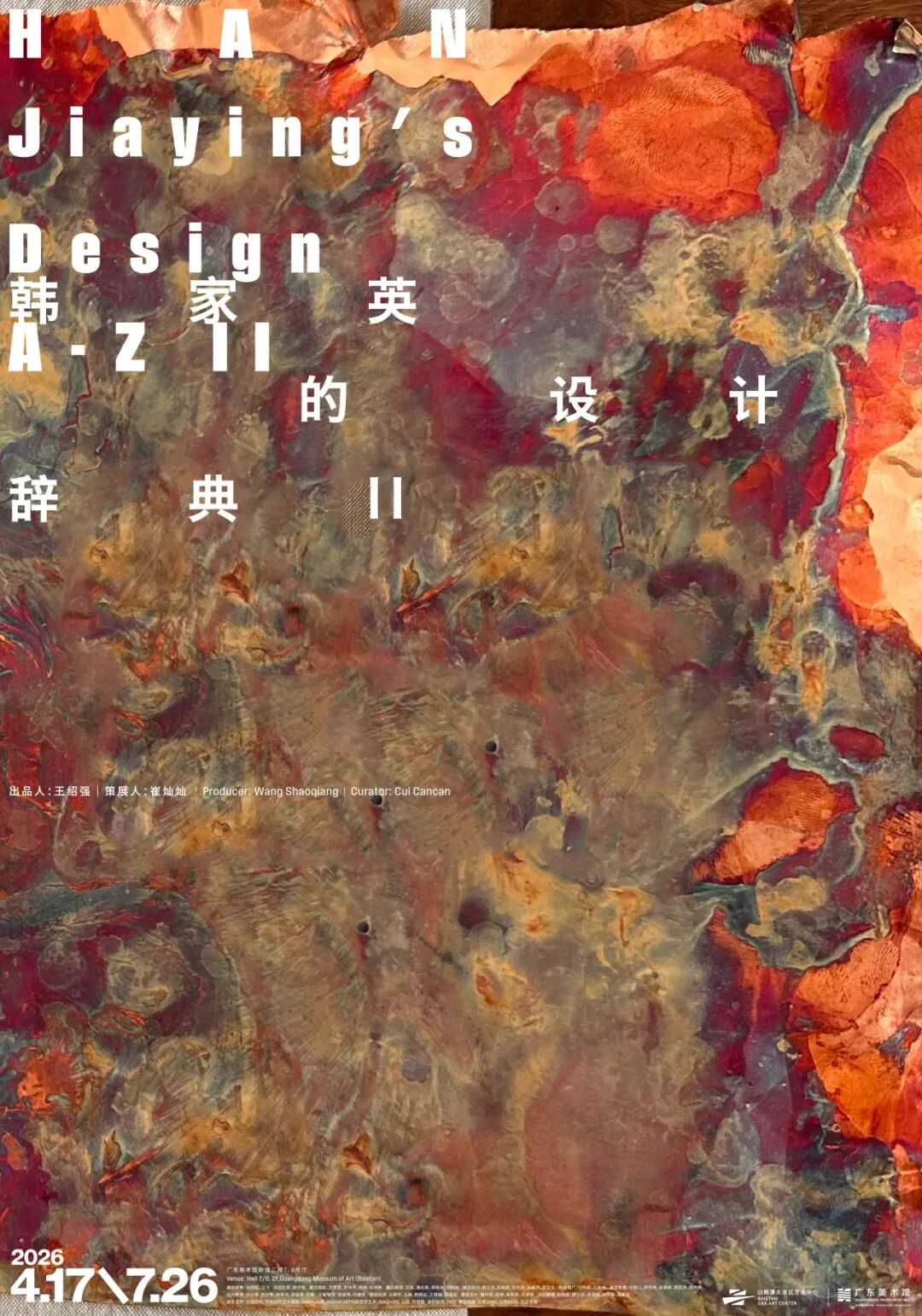
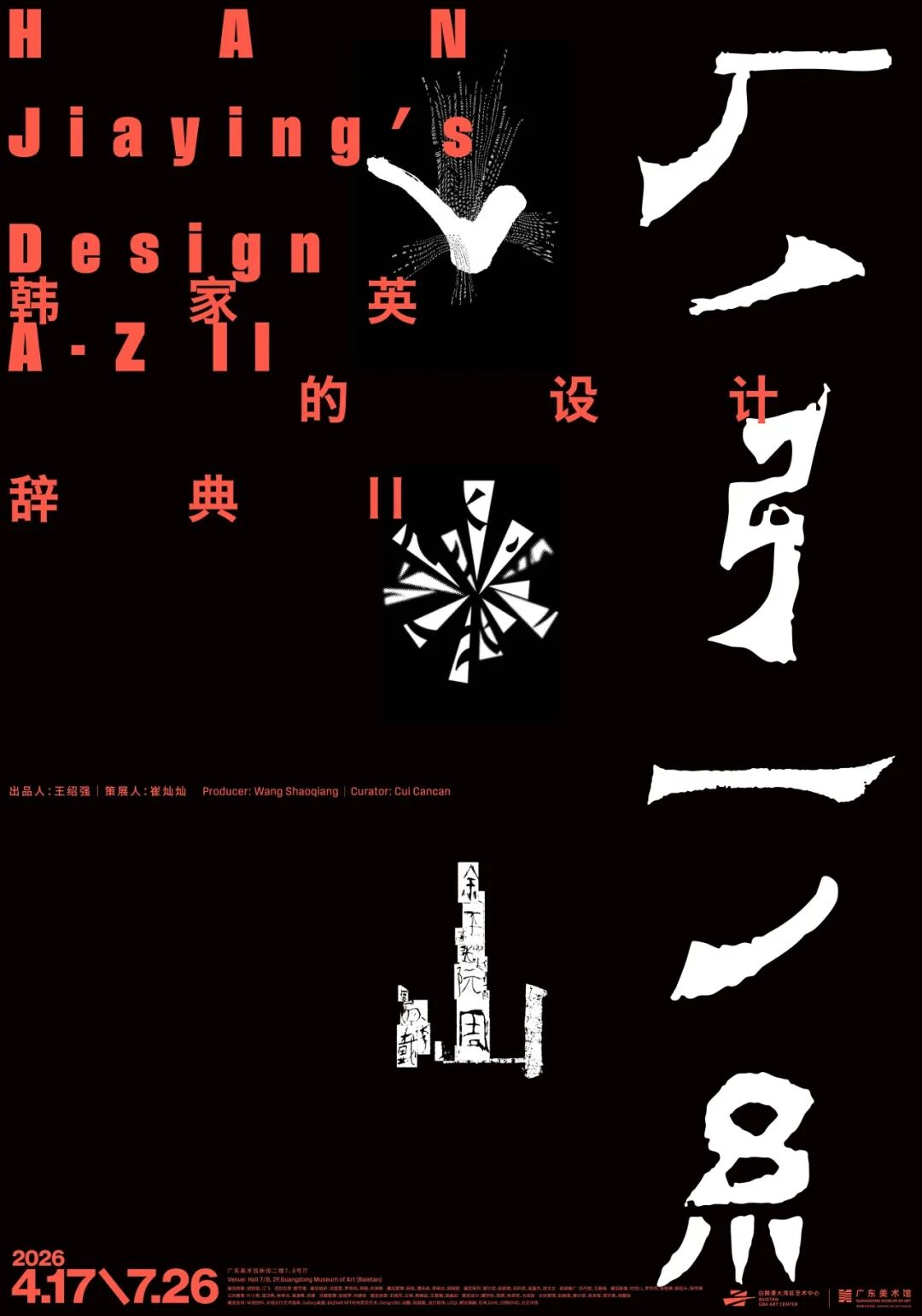
Han Jiaying’s design practice is akin to a long-running visual rhetoric. For over thirty years, rooted in traditional Chinese culture and the pulse of the times, he has constructed a metaphorical system for modern visual communication amidst historical symbols, contemporary aesthetics, and modern contexts. Moving from independent exploration to social engagement, and extending from commercial branding to the renewal of urban value, his design is not merely a functional medium, but a proactive cultural stance intervening in the era.
"Han Jiaying's Design Dictionary II," as the first solo designer research exhibition after the opening of the new Guangdong Museum of Art, is a profound condensation of an individual's creative journey and a philosophical scrutiny of the contemporary Chinese design language system. It seeks a certain consciousness and resonance of cultural identity.
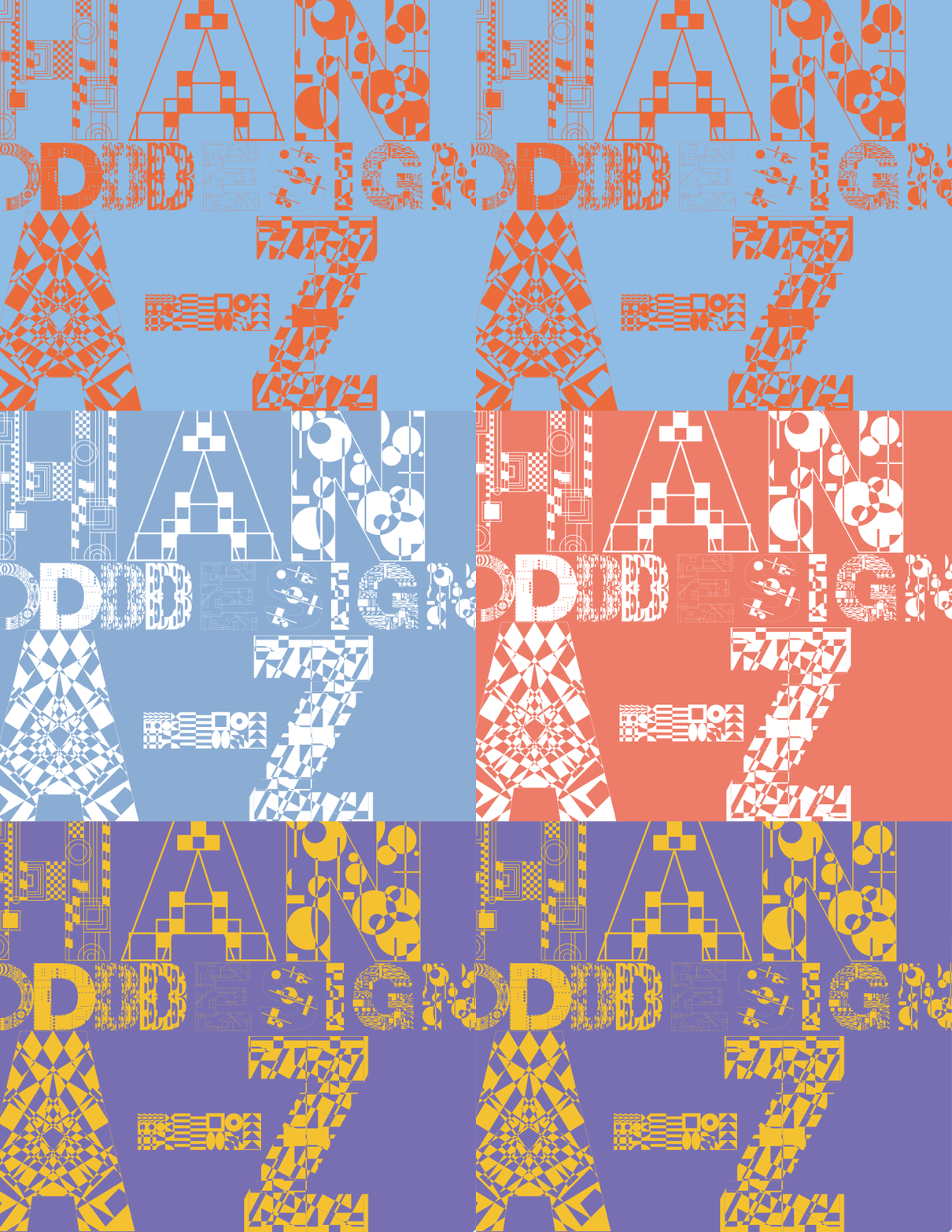
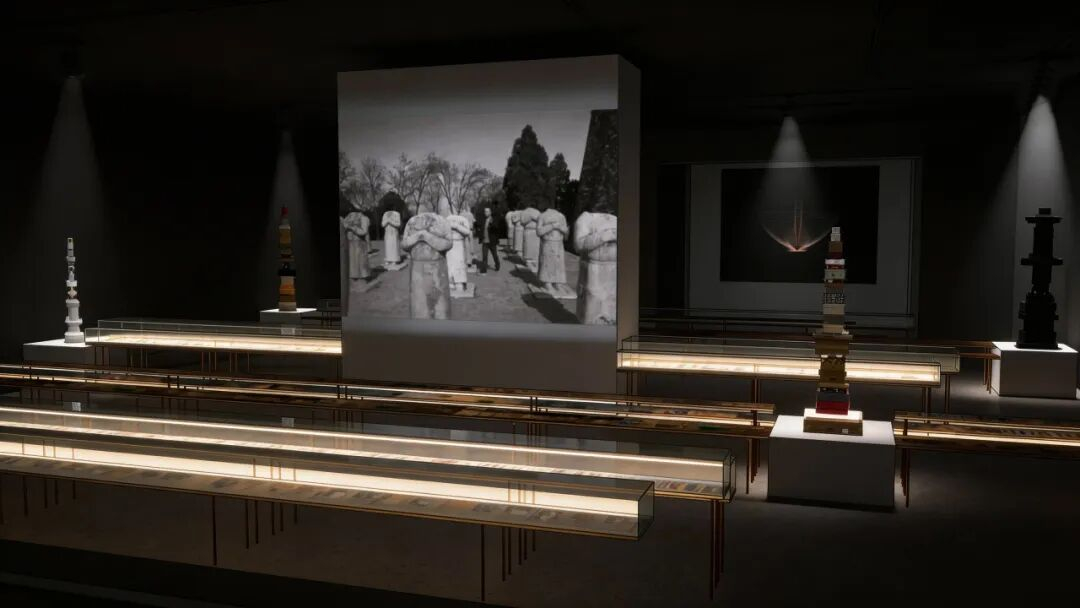
Through the conceptual framework of a "Dictionary," the exhibition transforms Han Jiaying’s creative evolution over three decades into a readable visual text. Here, what design reveals is no longer confined to physical objects, but rather the gradual emergence of certain attitudes and ideologies. The exhibition hopes that, through the progression of design practices, the audience can trace the internal and profound resonance between individual creation and the grand narrative of the era.
Unlike conventional design exhibitions, this exhibition focuses on the two poles of design. One pole is the source of inspiration and creativity, pointing towards the history of design and Han Jiaying’s unique personal experience and journey. The other is the application of design—asking what design can do and for whom? This points to the function and value of design, as well as Han’s expansion of the meaning of "design" and his redefinition of the "designer" identity.
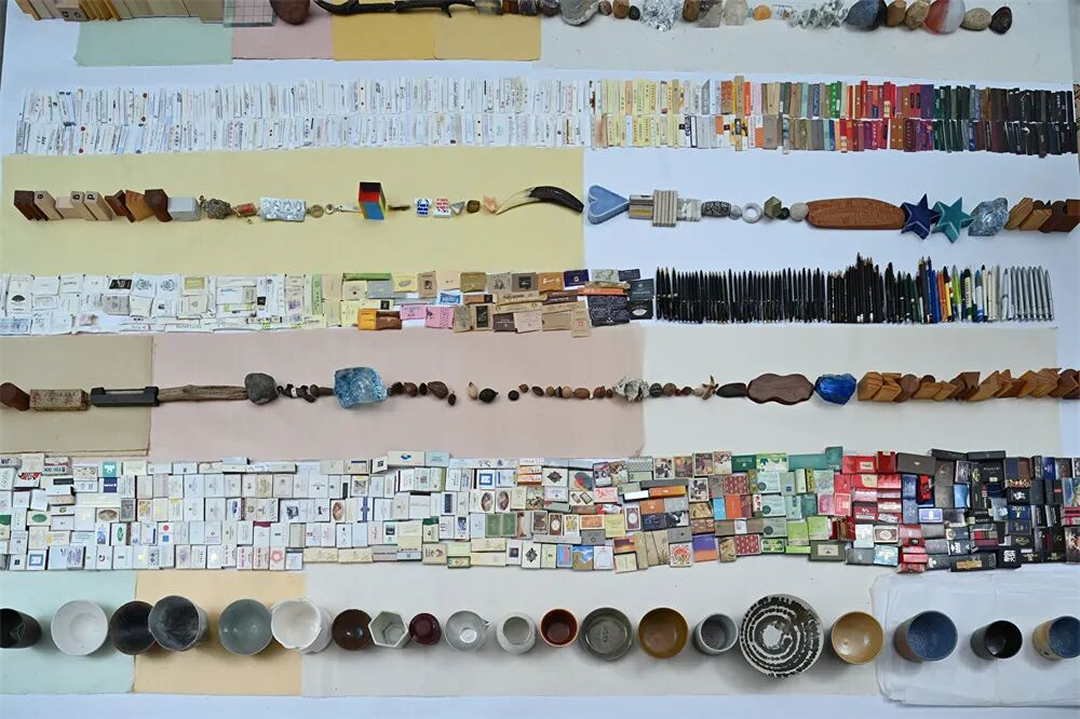
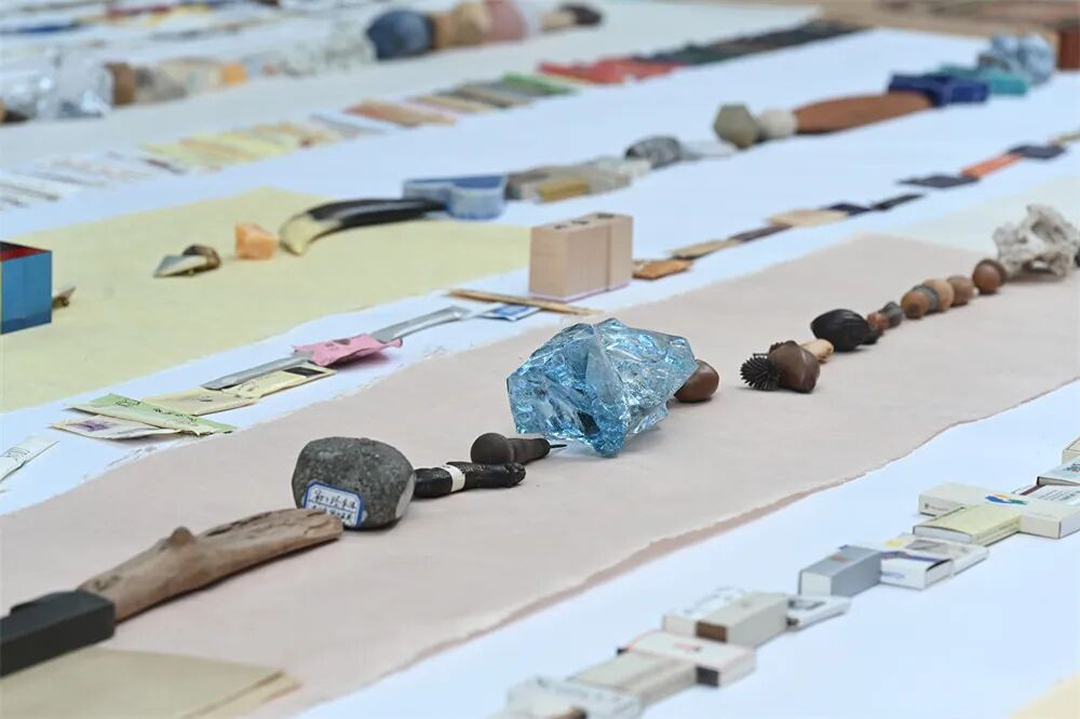
The exhibition opens with 5000×50×500, presenting objects related to design that he has collected over the decades. While 5000 symbolizes China’s long history, the starting point of the exhibition begins with newspaper clippings collected by Han’s father, Han Xuezhong, recounting family influence, imprints, and a remembrance of his father. Time and space are thus drawn back to that era: land deeds, grain coupons, cloth coupons, and stock certificates are not only evidence of shifting aesthetics but also archives of historical edification. Within those layouts differing only by millimeters and various fonts and formats, we catch a glimpse of ordinary people's obsession with detail in a grand era, and how design has shaped our response to information.
Han Jiaying’s inspiration stems from history, as well as everyday serendipity and travel experiences. The cards, pens, packaging boxes, books, stones, and toothpicks he has collected constitute another contemporary dictionary of design. It reveals a simple truth: people satisfy their emotional needs by choosing different colors, materials, and styles for objects, and in their choice of design, they establish who they are and who they want to become.
Design is about the connection between people, as well as a dialogue between humanity and nature. Those stones gathered from across the globe remind us that long before the birth of mankind, nature possessed the most authentic design. The flow of water, wind, and sunlight create the natural forms of all things, echoing the ancient philosophy of "Tao follows nature" from the Tao Te Ching, which Han Jiaying has always esteemed.
At the other pole, the exhibition displays Han Jiaying’s design practices and applications spanning over thirty years. However, the core is not to showcase works, but to present his deep connection with the era. In 1990, he moved south to Shenzhen, where he and many other designers constructed the new graphics and identities of this brand-new city: from large street advertisements and chain brand logos to signs at stairwell corners and a logo on a towel, they redefined modern Shenzhen and injected a beautiful, optimistic vision into that era.
In 1993, Han Jiaying founded one of China’s first design firms named after an individual in Shenzhen, subsequently opening branches in Beijing and Shanghai, thereby changing the identity and path of Chinese designers. He pushed design toward professionalization, addressing how design faces a rapidly changing new era and economic system transition; how it meets the user needs of mega-corporations and chain brands; and how design upgrades from a single service to a three-dimensional operation covering the entire brand system. In this sense, Han Jiaying’s "design" is no longer a noun, but a verb.
Over more than thirty years, he has deeply participated in the turbulent history of China’s market economy. Familiar classic brands—Xian Janssen, Konka, Vanke, and Shenzhen C’estbon—witnessed the rise and fall of a grand era: the awakening of brand consciousness among Chinese enterprises, the ebb and flow of the advertising industry, and how novel visual styles and design temperaments invisibly reconstructed the classic impressions of the era.
Times bring both revolution and deep cultivation. Since 1997, he has continuously designed covers for Tianya magazine. Using this avant-garde publication as an experimental field, he initiated a self-awareness of cultural identity among Chinese designers, laying the foundation for a modern Chinese visual dictionary. For over thirty years, he has started from the fundamental elements of design—dots, lines, squares, circles, and characters becoming his subjects of repeated experimentation to find infinite possibilities of form and meaning.
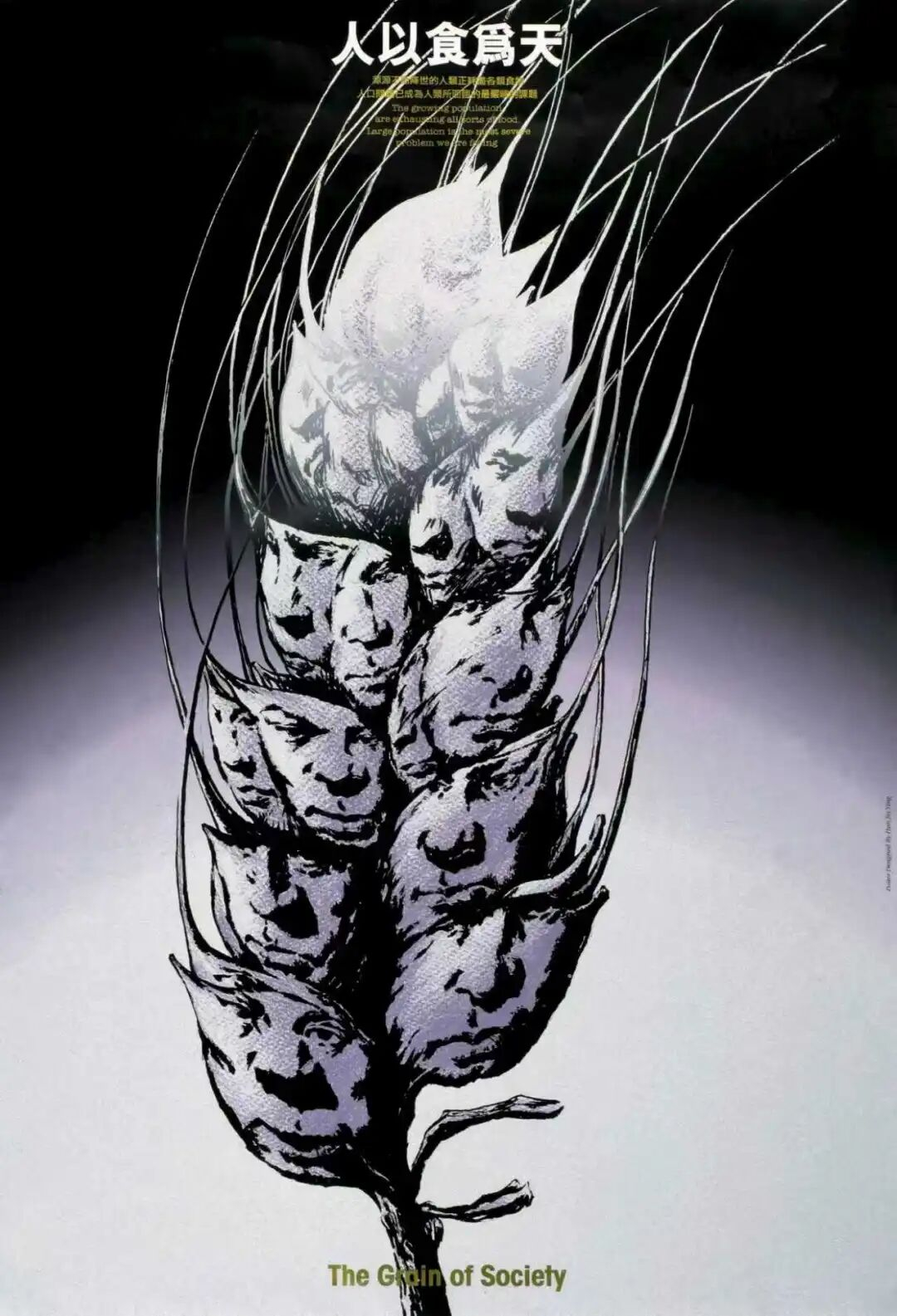
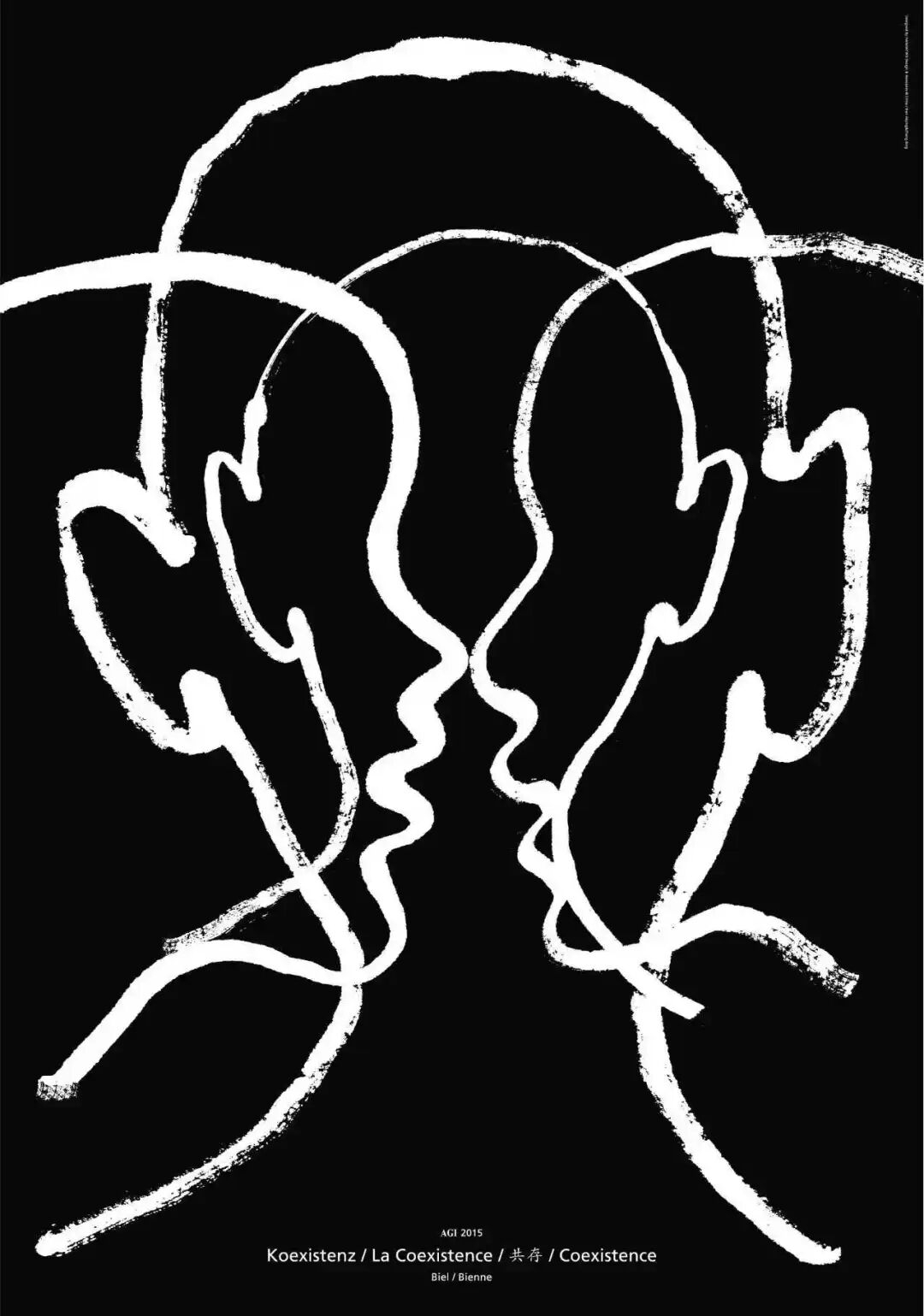
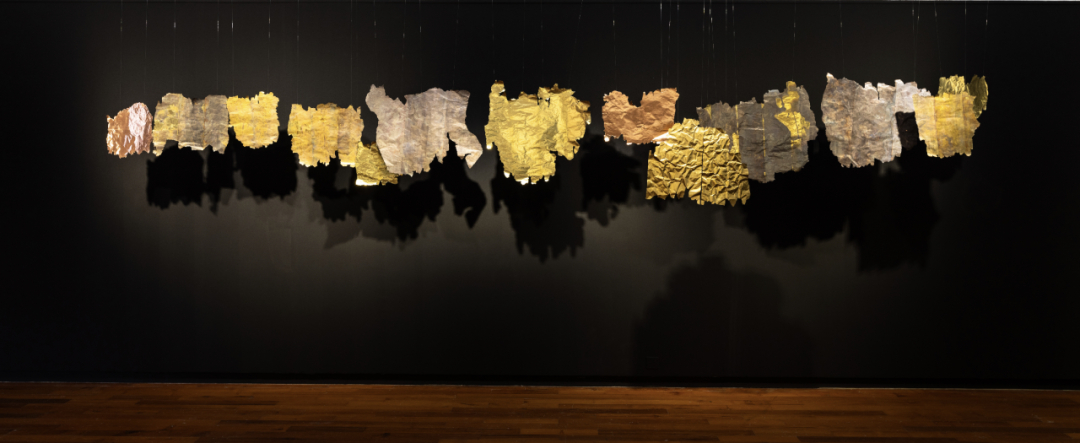
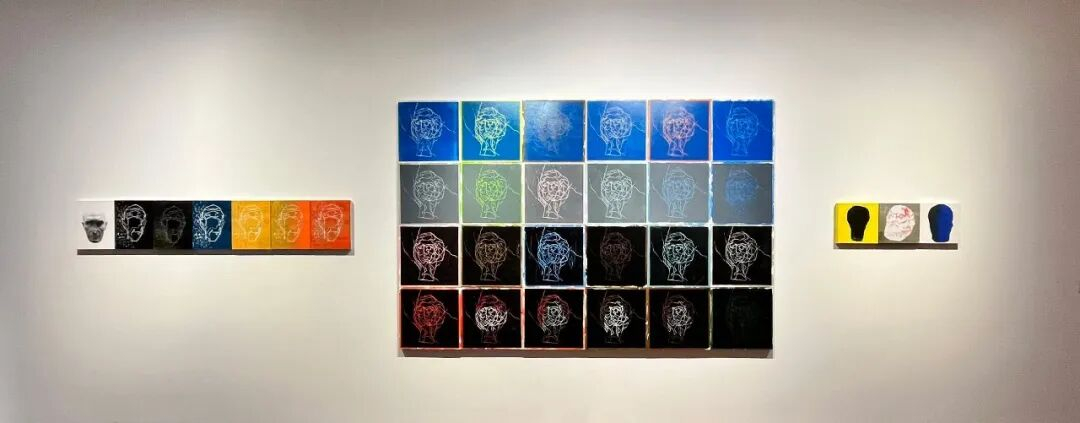
Unlike conventional designers, Han Jiaying has created a vast body of art across painting, sculpture, installation, and video over thirty years. He uses art to break the boundaries of design, liberating it from applied arts and endowing it with poetry and philosophy. This cross-disciplinary work is highly prevalent; whether in art, literature, or film, these diverse and vast themes and complex, varied syntaxes feed back into design, creating Han Jiaying’s unique personal style.
Simultaneously, Han Jiaying’s work includes efforts toward the ecosystem of the design industry. Since 2000, he has engaged in curatorial practice—from the GDC graphic design biennial and exchange exhibitions between Eastern and Western designers to the recent Shenzhen Bay Cultural Plaza and the promotion of local Chinese design museums. These links in different directions define how Chinese design functions as a whole, its research into historical archives, its self-reflection, and its reaffirmation of the social value of design in China.
The vast collection, the magnificent fragments of imagery from over thirty years, the multi-identity practice, and explorations both related and unrelated to design interweave into Han Jiaying’s unique design dictionary. Yet, through this personal dictionary, we also see the extraordinary changes in how Chinese people have lived, worked, consumed, and communicated since the 1980s, viewing "design" as a powerful tool for constructing change and building a common life for the past, present, and future.
Curator: Cui Can-can March 28, 2026
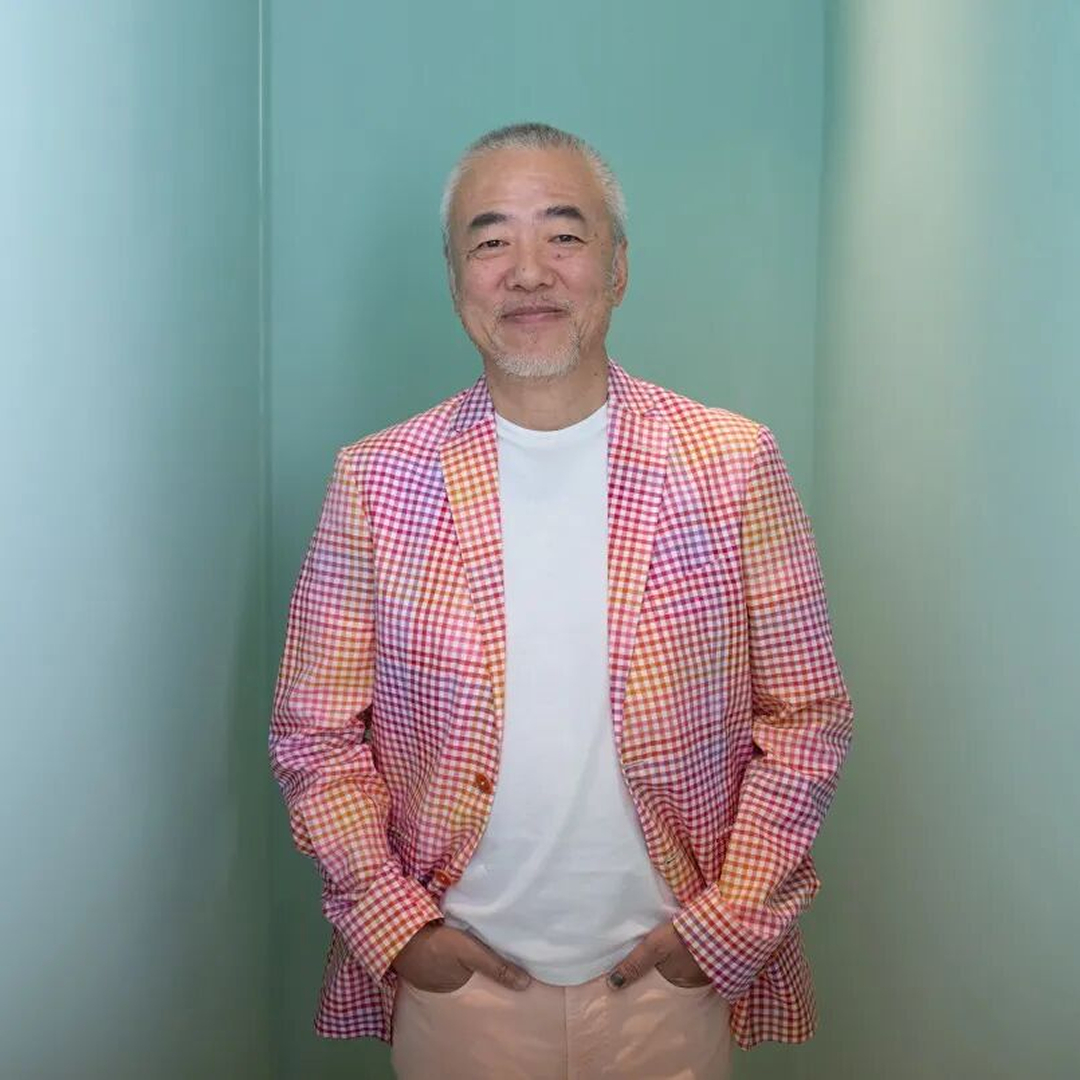 Han Jiaying
Renowned Chinese Designer
Member of the Alliance Graphique Internationale (AGI)
Founder of Han Jiaying Design
Visiting Professor at the School of City Design, Central Academy of Fine Arts
Visiting Professor at the School of Design, Xi'an Academy of Fine Arts
Recipient of the DFA Design for Asia Awards Gold Award and recognized as one of Forbes China's Most Influential Designers. He is dedicated to new design experiments involving graphics and typography, with his works collected by prestigious international institutions such as the Victoria and Albert Museum (V&A) in the UK, the Museum für Kunst und Gewerbe Hamburg in Germany, and the Museum für Gestaltung Zurich in Switzerland.
In 2012, he held "Mirror: Han Jiaying Design Exhibition," the first solo exhibition for a professional graphic designer in China. In 2023, his solo exhibition "Han Jiaying's Design Dictionary" was held at the He Xiangning Art Museum. Since 2024, he has served as the Art Director and Chief Curator of Shenzhen Bay Cultural Plaza.


Closed on Mondays (except legal holidays and special circumstances).
Baietan Area: No. 19, Baietan South Road, Liwan District,Guangzhou P.C. 510170 | Front Desk Phone:020-88902999,020-88902888
Ersha Island: No. 38 Yanyu Road, Ersha Island, Yuexiu District, Guangzhou P.C. 510105 | Front Desk Phone:020-87351468